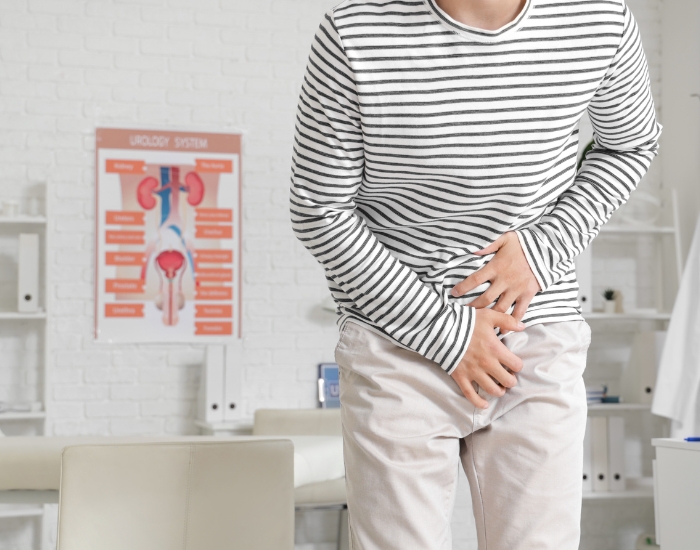
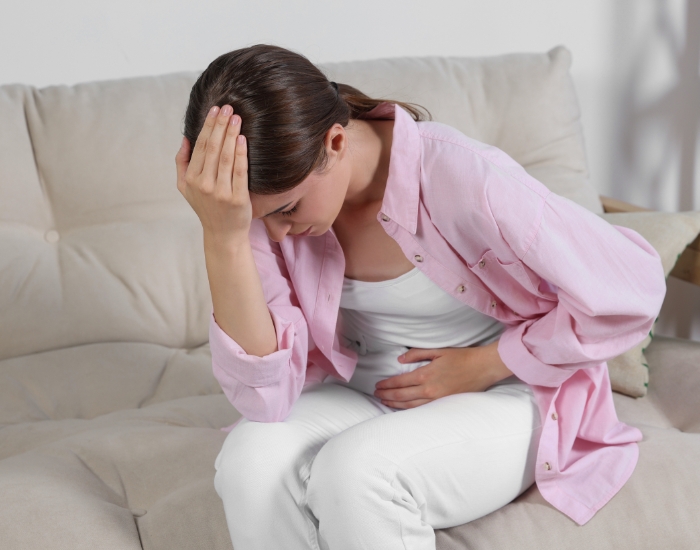
Overactive bladder (OAB) affects millions of women, causing sudden urges to urinate, frequent trips to the restroom, and, in some cases, urge incontinence. When lifestyle changes, pelvic floor exercises, and medications are insufficient, Botox (botulinum toxin) injections provide an effective treatment option. Botox relaxes bladder muscles and helps improve bladder control, reducing urgency and frequency. Women searching for “Botox treatment for overactive bladder near me” in Katy can benefit from expert evaluation and personalized care. This guide explains how Botox works, its benefits, potential risks, and what to expect during and after treatment.
Table of Contents
- Understanding Overactive Bladder
- Symptoms of OAB
- Causes of Overactive Bladder in Women
- Lifestyle and First-Line Treatments
- When Botox Treatment for Overactive Bladder Is Considered
- How Botox Treatment Works
- Procedure and What to Expect
- Benefits of Botox for OAB
- Potential Side Effects and Risks
- Follow-Up and Maintenance
- When to See a Specialist
- Final Thoughts
1. Understanding Overactive Bladder
Overactive bladder is a condition where bladder muscles contract involuntarily, causing sudden urges to urinate even when the bladder is not full. OAB is not a disease itself but a syndrome resulting from abnormal nerve signaling or bladder muscle overactivity. It can affect women of all ages and may significantly impact daily life, sleep, and emotional well-being.
2. Symptoms of OAB
The hallmark symptoms of overactive bladder include sudden, strong urges to urinate that are difficult to control, frequent trips to the bathroom during both day and night, and urge incontinence, which is the accidental leakage of urine before reaching a restroom. Many women also experience nocturia, waking multiple times at night to urinate. The severity of these symptoms can vary from mild inconvenience to significant disruption of daily activities and sleep. Symptoms may worsen under stress or after consuming bladder irritants such as caffeine or alcohol, making lifestyle adjustments an important part of management.
3. Causes of Overactive Bladder in Women
Overactive bladder can result from several factors:
- Abnormal Nerve Signals: Miscommunication between the brain and bladder muscles causes involuntary contractions.
- Weak Pelvic Floor Muscles: Reduced support for the bladder and urethra increases urgency.
- Hormonal Changes: Postmenopausal women may experience changes in bladder tissue.
- Chronic Conditions: Diabetes, urinary tract infections, and neurological disorders can contribute.
Identifying the cause is crucial to selecting the most effective treatment.
4. Lifestyle and First-Line Treatments
Before considering Botox, many women benefit from first-line treatments for overactive bladder. Bladder training, which includes timed voiding and urge suppression exercises, helps retrain the bladder to hold urine for longer periods. Pelvic floor therapy, such as Kegel exercises, strengthens the muscles supporting the bladder and urethra, improving control. Dietary modifications, including reducing caffeine, alcohol, and acidic foods, can decrease bladder irritation. Proper fluid management is also important—drinking enough water while avoiding excessive intake before bedtime helps reduce nighttime urgency. Additionally, medications like anticholinergics or beta-3 agonists may be used to relax the bladder muscles. These strategies are typically tried for several weeks before moving on to procedural treatments like Botox.
5. When Botox Treatment for Overactive Bladder Is Considered
Botox is generally recommended for women with overactive bladder who do not respond adequately to medications or lifestyle changes. It is particularly useful for those experiencing persistent urge incontinence or frequent urination and seeking a long-term solution without the need for daily medication. Before proceeding, a urogynecologist or bladder specialist evaluates symptoms, reviews medical history, and assesses bladder function to determine whether Botox is a suitable treatment option. This ensures that the therapy is personalized and safe, targeting the specific needs of each patient.
6. How Botox Treatment Works
Botox is a neurotoxin that temporarily relaxes overactive bladder muscles by blocking nerve signals that cause involuntary contractions. The effect reduces urgency, frequency, and leakage. Botox does not affect the bladder’s ability to store urine entirely but helps the bladder hold more urine comfortably. The procedure typically targets multiple sites within the bladder wall to achieve optimal results.
7. Procedure and What to Expect
Botox injections for OAB are usually performed in an outpatient setting under local anesthesia or light sedation. A cystoscope—a thin tube with a camera—is inserted into the bladder, and the Botox is injected directly into the bladder muscle at several sites. The procedure takes about 15–30 minutes, and most women can go home the same day. Mild discomfort or urinary urgency may occur initially but usually resolves within a few days.
8. Benefits of Botox for OAB
Botox offers several advantages for women with overactive bladder:
- Reduces urinary urgency and frequency
- Decreases episodes of urge incontinence
- Improves sleep by reducing nighttime trips to the bathroom
- Provides an alternative for women who cannot tolerate oral medications
- Effects typically last 6–12 months, after which repeat injections can maintain results
Many women report improved quality of life and increased confidence following treatment.
9. Potential Side Effects and Risks
As with any procedure, Botox for OAB has potential side effects:
- Temporary urinary retention, sometimes requiring self-catheterization
- Mild urinary tract infections
- Discomfort or burning during urination
- Rare allergic reactions
A specialist thoroughly discusses these risks and monitors recovery to ensure safe outcomes.
10. Follow-Up and Maintenance
Follow-up visits are essential to assess the effectiveness of Botox and monitor for side effects. The effects gradually wear off over 6–12 months, and repeat injections may be scheduled to maintain symptom relief. During this time, women continue to benefit from lifestyle strategies and pelvic floor exercises to optimize bladder control.
11. When to See a Specialist
Women should consult a urogynecologist or bladder specialist if they experience persistent urgency, frequent urination, or urge incontinence despite lifestyle changes and medications. Early evaluation ensures proper diagnosis, personalized treatment, and timely intervention. Specialists at Katy Women’s Pelvic Health can provide expert Botox therapy and comprehensive OAB management.
12. Final Thoughts
Botox is a safe and effective option for women with overactive bladder who have not found relief from lifestyle changes or medications. By relaxing bladder muscles and improving bladder control, Botox can significantly reduce urgency, frequency, and incontinence, enhancing daily comfort and quality of life. Early consultation with a specialist ensures the best outcomes and personalized care.
If you are searching for “Botox treatment for overactive bladder near me,” contact Katy Women’s Pelvic Health for expert evaluation and treatment. Their experienced team provides safe, effective solutions tailored to your needs.
Disclaimer: This content is for informational purposes only and is not a substitute for professional medical advice. Always consult a qualified healthcare provider for diagnosis and treatment of overactive bladder or urinary symptoms.