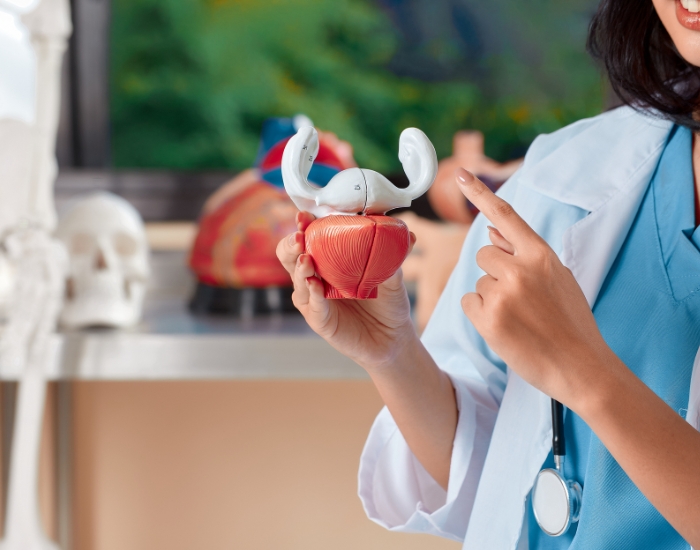
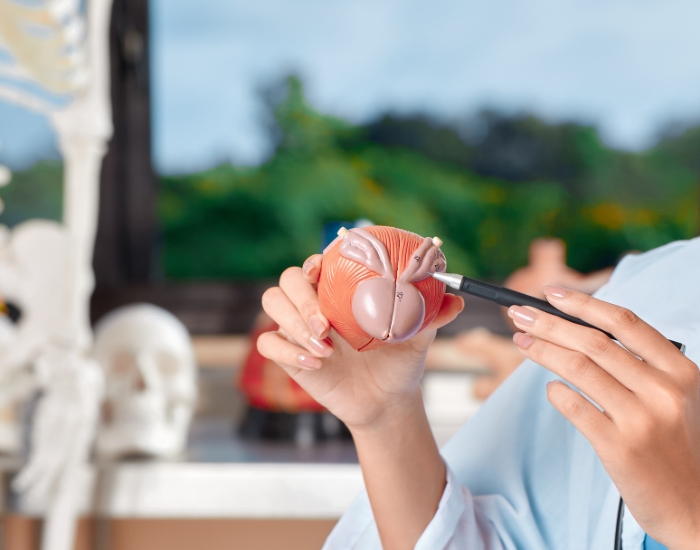
Overactive bladder (OAB) is a common yet often misunderstood condition affecting many women. Characterized by a sudden, uncontrollable urge to urinate, frequent bathroom trips, and sometimes leakage, OAB can disrupt daily life, sleep, work, and confidence. If you’re a woman in Katy searching for reliable information and effective treatment options, this guide brings clarity and practical solutions. We’ll break down symptoms, causes, diagnosis, treatment options — and how to find personalized care near you.
Table of Contents
- What Is Overactive Bladder?
- Common Symptoms in Women
- Causes and Risk Factors
- How OAB Is Diagnosed
- Lifestyle and Behavioral Management
- Medications for Overactive Bladder
- Advanced and Procedural Treatments
- Pelvic Floor Therapy and Exercises
- Tips to Prevent Flare-Ups
- When to Seek Medical Help
- Final Thoughts
1. What Is Overactive Bladder?
Overactive bladder (OAB) is a condition marked by frequent and sudden urges to urinate that can be difficult to control. Rather than being a single disease, OAB is considered a syndrome, meaning it consists of a group of related symptoms that often result from nerve or muscle dysfunction within the bladder. Under normal circumstances, the bladder stores urine and communicates with the brain when it is time to empty.
In women with overactive bladder, these signals may become overly sensitive or irregular, causing the bladder to contract even when it is not full. This can lead to sudden urges to urinate, frequent trips to the restroom, and, in some cases, urge incontinence where leakage occurs before reaching the bathroom. Although women of all ages may experience OAB, it is more commonly seen with increasing age and after life events such as childbirth or menopause.
2. Common Symptoms in Women
The symptoms of overactive bladder can range from mild inconvenience to a condition that significantly interferes with daily activities and quality of life. One of the most common symptoms is urinary urgency, which involves a sudden and intense need to urinate immediately.
Many women also experience increased urinary frequency, meaning they need to urinate more than eight times within a 24-hour period. Nocturia or waking up multiple times during the night to urinate, is another frequent complaint that can disrupt sleep and lead to daytime fatigue. In some cases, urgency is accompanied by urge incontinence, where urine leakage occurs before reaching the toilet. These symptoms may become more pronounced during periods of stress or after consuming bladder irritants such as caffeine, alcohol, or acidic foods and beverages.
3. Causes and Risk Factors
Although the exact cause of OAB isn’t always clear, several factors are known to increase the risk:
Neurological Signals
-
Miscommunication between the bladder and the brain may cause premature bladder contractions.
Muscle Dysfunction
-
Overactive bladder muscles can contract even when the bladder isn’t full.
Women-Specific Factors
- Pregnancy and childbirth can weaken pelvic muscles.
- Menopause leads to hormonal changes that may affect bladder control.
- Urinary tract infections (UTIs) can mimic or trigger OAB symptoms.
Other Risk Factors
- Age (more common in women over 50)
- Obesity
- Diabetes
- Certain medications
Understanding these risk factors helps guide prevention and personalized treatment.
4. How OAB Is Diagnosed
Diagnosis begins with a comprehensive evaluation by a healthcare provider. This includes:
Medical History
- Symptom patterns
- Fluid intake
- Medications
- Past surgeries or pelvic injuries
Physical Examination
A pelvic exam checks for muscle weakness, prolapse, or other abnormalities.
Diagnostic Tests May Include:
- Urinalysis – To rule out infection or blood
- Bladder Diary – Tracking fluid intake and bathroom visits
- Post-void Residual (PVR) Test – Measures urine left after urination
- Urodynamic Testing – Evaluates bladder pressure and function (in complex cases)
A proper diagnosis ensures appropriate treatment is recommended based on the individual’s unique needs.
5. Lifestyle and Behavioral Management
Lifestyle changes are often the first step in managing OAB symptoms — especially for mild to moderate cases. These strategies can significantly improve quality of life:
Fluid Management
- Spread fluid intake evenly throughout the day
- Avoid large amounts immediately before bedtime
- Limit diuretics like caffeine and alcohol
Bladder Training
Bladder training helps increase the time between bathroom visits by:
- Delaying urination for a set time (start with 10 minutes)
- Gradually increasing intervals
- Practicing mindful distraction techniques
Scheduled Bathroom Visits
Instead of going “just in case,” women may follow a planned schedule — such as every 2–4 hours — to help reset bladder urgency patterns.
Dietary Considerations
Some foods may irritate the bladder:
- Spicy foods
- Citrus fruits
- Artificial sweeteners
- Carbonated drinks
Monitoring triggers and adjusting the diet accordingly may reduce symptom frequency.
6. Medications for Overactive Bladder
When lifestyle changes alone do not provide enough relief, medications may be prescribed to help manage overactive bladder symptoms. These medications work by calming bladder muscle activity or improving nerve signaling between the bladder and brain. Common drug options include anticholinergics, such as oxybutynin and tolterodine, which help reduce involuntary bladder muscle spasms that trigger urgency and leakage.
Another option is beta-3 agonists like mirabegron, which relax the bladder muscles and allow the bladder to hold more urine comfortably. For postmenopausal women, topical estrogen may also be recommended to support the health of urinary tract tissues and reduce irritation. While these medications can be effective, they may cause side effects such as dry mouth, constipation, headaches, or an elevated heart rate. A healthcare provider will carefully review the benefits, possible risks, and your overall health to determine the most suitable treatment option.
7. Advanced and Procedural Treatments
For women whose symptoms persist despite lifestyle changes and medication, advanced treatment options may be considered. One commonly used approach is Botox injections, where botulinum toxin is injected directly into the bladder muscle to reduce involuntary contractions, helping improve urgency, frequency, and leakage. Nerve-stimulating therapies are another option and include sacral neuromodulation, which uses a small implanted device to stimulate the nerves that control bladder function.
Percutaneous tibial nerve stimulation (PTNS) is a less invasive option that delivers mild electrical pulses through a nerve near the ankle to influence bladder activity. In some cases, additional injections or implantable devices may be recommended when other treatments are ineffective. Because these therapies vary in effectiveness, duration, and potential risks, a detailed discussion with a specialist is essential to determine the best course of action.
8. Pelvic Floor Therapy and Exercises
Pelvic floor therapy plays a vital role in treating overactive bladder, particularly for women whose symptoms are linked to pelvic muscle weakness. Strengthening these muscles helps improve bladder support and control. Kegel exercises are commonly recommended and involve tightening the pelvic muscles for five seconds, relaxing for another five seconds, and repeating the process 10 to 15 times per session, several times a day.
In addition to exercises, biofeedback therapy may be used, where a trained therapist provides visual or auditory cues to help patients correctly identify and activate the pelvic muscles. The benefits of pelvic floor therapy include better bladder control, improved management of urgency, fewer incontinence episodes, and enhanced core stability. Consistent practice is important, as noticeable improvement typically occurs after several weeks.
9. Tips to Prevent Flare-Ups
Although overactive bladder symptoms may vary over time, certain daily habits can help reduce flare-ups and maintain long-term control. Maintaining a healthy weight helps lower pressure on the bladder, while regular physical activity supports overall pelvic health. Avoiding bladder irritants such as caffeine, citrus fruits, and carbonated beverages may reduce urgency and frequency. Staying hydrated is important, but limiting fluid intake in the evening can help reduce nighttime urination. Managing chronic conditions like diabetes also plays a role in bladder health. During flare-ups, using absorbent pads or protective garments can provide comfort and confidence. These small but consistent lifestyle choices can significantly improve symptom management.
10. When to Seek Medical Help
If overactive bladder symptoms continue despite self-care and lifestyle changes, it is important to seek medical evaluation. You should consult a specialist if urgency begins to interfere with daily activities, frequent nighttime urination disrupts sleep, or incontinence becomes more common. Additional warning signs include pain or burning during urination and the presence of blood in the urine. Early medical intervention leads to better treatment outcomes and helps prevent complications such as recurrent urinary tract infections, skin irritation, and emotional stress.
11. Final Thoughts
Overactive bladder can feel frustrating, but it is a treatable condition. With the right combination of lifestyle changes, medical care, exercises, and advanced therapies, women in Katy can regain comfort, confidence, and control. Understanding your body, tracking symptoms, and partnering with a qualified provider are key steps toward long-term relief.
If you’re experiencing symptoms of overactive bladder and want expert guidance tailored to your health needs, contact Katy Women’s Pelvic Health. Their experienced team can help assess your symptoms, walk you through treatment options, and support your journey toward better bladder health.
Disclaimer: This blog is for informational purposes only and should not replace medical advice. Always consult a qualified healthcare provider before starting any treatment or therapy. Individual results may vary.