
Uterine Fibroid Doctor in Katy, TX
Heavy periods, pelvic pressure, a swollen belly or needing to urinate all the time can all come from fibroids. You have more treatment choices than you may think.
Uterine fibroids are noncancerous growths of the muscle of the uterus. They are very common, and many cause no symptoms, but others lead to heavy bleeding, pelvic pressure, bladder symptoms or pain. At our Katy office, Dr. Solafa Elshatanoufy confirms the size and location of your fibroids and explains every option, from monitoring and medication to uterus-sparing surgery.

Understanding Uterine Fibroids
Fibroids, also called leiomyomas or myomas, grow from the muscle wall of the uterus. They range from the size of a seed to larger than a grapefruit, and a woman can have one or many. By age 50, most women will have developed fibroids, although many never know it. They are more common and often appear earlier in Black women.
Fibroids are described by where they grow:
- Submucosal: bulging into the uterine cavity, often causing heavy bleeding even when small.
- Intramural: within the muscle wall, which can enlarge the uterus.
- Subserosal: on the outer surface, sometimes pressing on the bladder or bowel.
- Pedunculated: attached by a stalk inside or outside the uterus.
Estrogen and progesterone help fibroids grow, which is why they usually shrink after menopause. Read more in our article on why fibroids grow.
Symptoms of Fibroids
Symptoms depend on the size, number and location of the fibroids.
Bleeding and pain
- Heavy or prolonged menstrual periods
- Passing large blood clots
- Fatigue or shortness of breath from anemia
- Pelvic pain or cramping
- Pain during intercourse
- Low back or leg pain
Pressure and bladder symptoms
- A feeling of fullness or pressure in the pelvis
- A growing or swollen lower abdomen
- Frequent urination or urgency
- Difficulty emptying the bladder
- Constipation or bloating
- Difficulty becoming pregnant or pregnancy complications in some cases
As a urogynecologist, Dr. Elshatanoufy pays close attention to how fibroids affect the bladder, which is an often overlooked source of daily discomfort. If heavy bleeding is your main concern, see our page on heavy periods and fibroids.
When Should You See a Fibroid Specialist?
- Your periods are heavy enough to soak through protection, last longer than seven days, or limit your activities
- You have been told you are anemic
- You feel pelvic pressure or have frequent urination you cannot explain
- A fibroid was found on an ultrasound and you want to understand your options
- You are planning a pregnancy and have known fibroids
Seek emergency care for bleeding that soaks a pad or tampon every hour for several hours, bleeding with dizziness, fainting or a racing heart, or sudden severe pelvic pain. Call 911 or go to the nearest emergency room.
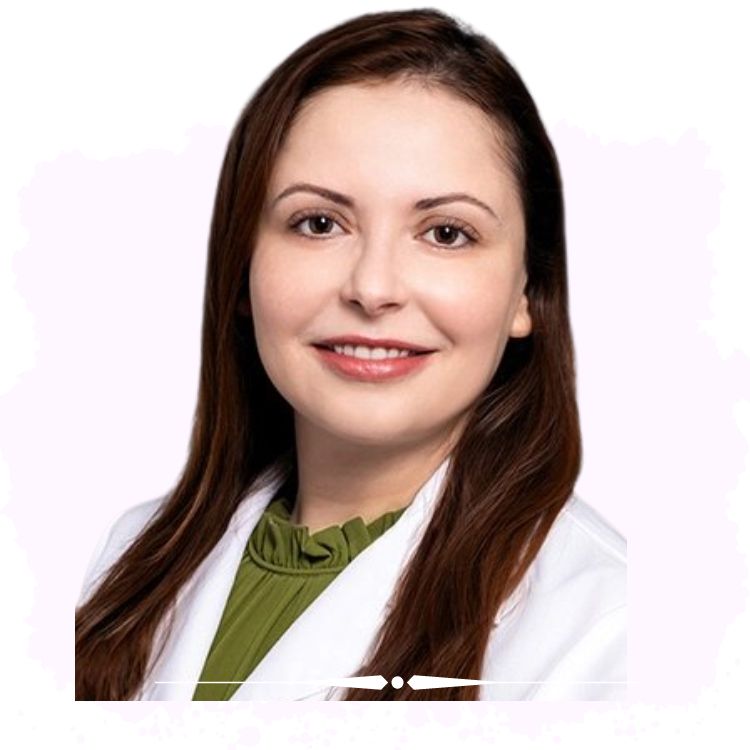
Fibroid Care From Dr. Solafa Elshatanoufy
Dr. Solafa Elshatanoufy is board-certified in obstetrics and gynecology, in female pelvic medicine and reconstructive surgery, and in advanced minimally invasive gynecology. That training allows her to offer both medical treatment and minimally invasive surgical options, including procedures that preserve the uterus.
She explains each option clearly, including its benefits, risks and recovery, and helps you choose the approach that fits your symptoms, your age and whether you hope to become pregnant in the future.
How Fibroids Are Diagnosed
- Pelvic examination: which can detect an enlarged or irregular uterus.
- Pelvic ultrasound: the main test to measure and map fibroids.
- Saline sonohysterography or hysteroscopy: to see fibroids or polyps inside the uterine cavity.
- MRI: in selected cases, to plan surgery or other procedures.
- Blood tests: to check for anemia and other causes of bleeding.
- Endometrial biopsy: when needed to rule out other causes of abnormal bleeding.
Treatment Options for Uterine Fibroids
Fibroids that cause no symptoms often need no treatment. When they do cause problems, there is a range of choices.
Monitoring and medication
- Watchful waiting: periodic checkups and ultrasound for fibroids that are not causing trouble.
- Tranexamic acid and anti-inflammatory medication: to reduce bleeding and cramping during periods.
- Hormonal options: birth control or a hormonal IUD to lighten periods.
- GnRH-based medications: which can reduce bleeding and sometimes shrink fibroids, often used before surgery or for limited periods.
- Iron replacement: to treat anemia.
Procedures and surgery
- Hysteroscopic myomectomy: removal of fibroids inside the uterine cavity through the vagina, with no incisions.
- Laparoscopic myomectomy: removal of fibroids through small incisions while keeping the uterus.
- Endometrial ablation: for heavy bleeding in women who have finished childbearing and have small fibroids.
- Minimally invasive hysterectomy: a permanent solution for women who do not plan future pregnancy.
- Uterine artery embolization: a nonsurgical option performed by interventional radiology, to which we can refer when it suits you.
Fibroids can return after myomectomy, and each procedure has different effects on fertility and recovery. Dr. Elshatanoufy will help you weigh these differences. Read our comparison of embolization and hysterectomy.
What Can You Expect From Treatment?
Medication can lighten periods within a few cycles. Recovery after hysteroscopic procedures is usually a few days, and most women return to normal activities within one to three weeks after laparoscopic surgery, depending on the procedure. Many women notice less bleeding, less pressure and fewer bathroom trips once fibroids are treated. Results vary, and your follow-up visits help confirm that your plan is working.
Fibroid Care in Katy, Texas
Every option explained, including those that preserve your uterus.
- Board-certified OB/GYN and urogynecologist
- Board-certified in advanced minimally invasive gynecology
- Uterus-sparing options when appropriate
- Attention to bladder and pressure symptoms
- Clear explanations of risks and recovery
- Unhurried, respectful visits
What Our Patients Say
Patients share their experience of care at our Katy office. Individual results vary.
Dr. Elshatanoufy is simply wonderful! She took the time to thoroughly explain my extensive lab results and other tests, answered all of my questions, and gave me the confidence and peace of mind I needed before moving forward with the procedure.
The entire staff was also incredibly attentive, courteous, and welcoming throughout my visit. I truly loved my experience there and felt very well cared for. I definitely trust Dr. Elshatanoufy and her team with my health needs and would highly recommend them!
I can’t say enough good things about Dr. Solafa. She is warm, attentive, and incredibly compassionate. She takes her time during appointments, listens carefully to concerns, and never makes you feel rushed. Her bedside manner is truly wonderful, and she creates such a comfortable and reassuring environment. You can tell she genuinely cares about her patients. Very sweet, professional, and knowledgeable. I’m so grateful to have found her for my mom’s treatment.
Dr. Elshatanoufy was truly lovely to work with. I’ve had a hard time pinning down my symptoms but she was willing to hear my concerns and do a thorough examination to rule out more serious conditions. She was thorough, efficient, patient, gentle, and kind during the pelvic examination, which is a vulnerable position for women. I felt that she genuinely cared for my wellbeing. After receiving less than ideal care at a neighboring practice in Katy, I am really grateful to Dr. E for validating my concerns, making me feel heard, and reassured with my next steps.
The waiting room was pretty busy and cold when I went. Suggest bringing headphones and some long sleeves!
My experience perfection. From check in to check out. Dia was my MA and she was so professional and a pleasure. She answered all my questions and made sure I was taken care of. Dr Elshatanoufy was AWESOME! Great bedside manner and make my exam comfortable. Then I had the pleasure to check out with Elizabeth and she was just as pleasant. I can tell this is an office that cares greatly for their patients!
This was my first visit at Katy Women’s Pelvic Health. It was a great experience, from checking in with a very helpful and friendly receptionist to being seeing by Nida the office manager, Oyin the NP and Dr. E. Everyone was very friendly, professional, and made the visit very comfortable. They thoroughly explained all the finding and the options for treatment. I highly recommend this practice.
Dr E. and her whole staff are gems! They have the best customer service, energy, and I noticed they are great with all other patients besides me. Dr E. really listens to your problems, offers solutions and she explains things so well. You can tell she loves what she does and does a wonderful job at it. I definitely recommend her practice to anyone seeking top notch, high quality care.
Just the kindest people! I was so at ease with the whole experience!! Very knowledgeable, explained everything and answered all my questions!!! Wish I had found her earlier in my life!!
Mi nombre es Nidia, I am a patient at Katy Women’s Pelvic Health and had my surgery less than 15 days ago. This clinic is highly recommended for its excellent medical and humane care. This type of care is provided by the entire staff, in addition to the doctor, including the receptionist, nurses, and health technicians. The surgeon is Solafa Elshatanoufy, who has more than 20 years of experience in women’s pelvic health, offering modern, effective, and minimally invasive treatments in many cases. She is a compassionate and empathetic person who makes you feel safe, listened to, and cared for by expert and professional hands. The environment is clean and welcoming, and thanks to its modernity, I felt almost no discomfort or pain during the procedures, and everything was quick.
One of the best places to see OBGYN. My mom sees Dr. Solafa. The staffs, nurses, Doctors and the services they provide are very professional and welcoming. Highly recommended.
Top-tier doctor and extremely skilled surgeon, I could not have been more blessed to have her taking care of me. Thank you, Dr. E!
Dr. E is a super great Doctor who listens attentively and collaborates closely with patients throughout every step of the process. Additionally, the office staff was professional, courteous, and efficient.
Dr. E is so kind and professional. She listened to all my concerns and had an answer to all my questions. She made sure I was happy with my medications. Her staff is so helpful and make the visit go quickly and efficiently. I am so glad I found Dr E!
Dr. E has the best bedside manner compared to all the doctors I have seen before. She is so knowledgeable and truly cares for her patients and wants the best for everyone. I feel incredibly lucky to find a doctor willing to always spare time for patients. She is amazing and 1000% worth the wait!!!!
Frequently Asked Questions About Uterine Fibroids
Are uterine fibroids cancerous?
Fibroids are almost always benign. A rare cancer called leiomyosarcoma can look similar, which is one reason rapidly growing masses, especially after menopause, are evaluated carefully.
Do all fibroids need treatment?
No. Fibroids that are not causing symptoms often only need monitoring. Treatment is recommended when they cause heavy bleeding, pain, pressure or bladder problems, or affect fertility.
Can fibroids be treated without surgery?
Yes. Medications can control bleeding for many women, and uterine artery embolization is a nonsurgical procedure for selected patients. Learn more in our article on fibroid treatment without surgery.
Can fibroids cause frequent urination?
Yes. Fibroids on the front of the uterus can press on the bladder, causing frequency, urgency or difficulty emptying. Treating the fibroids often relieves these symptoms.
Can I get pregnant with fibroids?
Many women with fibroids have healthy pregnancies. Fibroids inside the uterine cavity are the type most likely to affect fertility, and removing them may help.
Do fibroids go away after menopause?
Fibroids usually shrink after menopause as hormone levels fall. New growth after menopause should be evaluated.
Do you see patients from outside Katy?
Yes. Women from Fulshear, Richmond, Sugar Land, Cypress and across Greater Houston are seen at our Katy office.
Related Articles
More about fibroids from our Katy practice.
June 17, 2026
Why Fibroids Grow in the Uterus: Causes, Risk Factors, and What It Means
Many women are surprised when they are told they have fibroids, especially when they have never experienced noticeable symptoms before. One of the most common questions is why fibroids grow in uterus and what…
Read article: Why Fibroids Grow in the Uterus: Causes, Risk Factors, and What It Means
June 10, 2026
Fibroids Treatment Without Surgery: Safe and Effective Options
Being diagnosed with uterine fibroids can feel overwhelming, especially when surgery is mentioned as a possible solution. Many…
Read article: Fibroids Treatment Without Surgery: Safe and Effective Options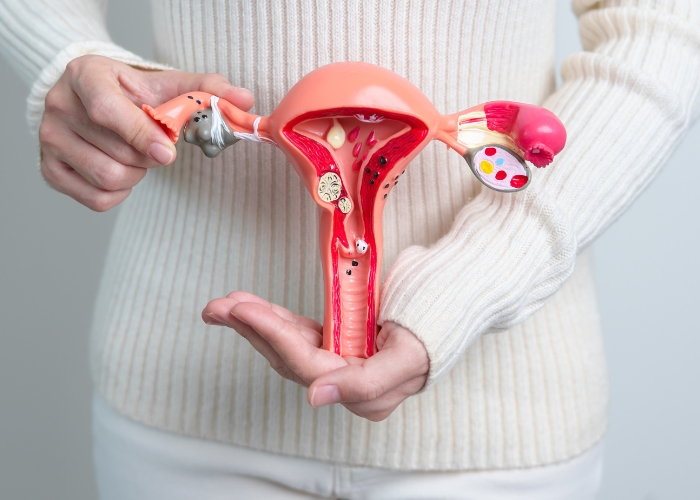
Fibroid Care in Katy and Greater Houston
Fibroid consultations, ultrasound review and follow-up visits take place at our Katy office at 410 W Grand Pkwy S, Suite 320. Surgery, when needed, is performed at an affiliated hospital in the area. We welcome new patients from Katy, Cinco Ranch, Fulshear, Richmond, Sugar Land, Cypress and West Houston.
Ready to Talk About Your Fibroid Options?
Get a clear picture of your fibroids and every treatment choice available to you. Schedule a consultation with Dr. Solafa Elshatanoufy.
410 W Grand Pkwy S, Suite 320, Katy, TX 77494