
Pelvic Organ Prolapse Treatment in Katy, TX
A feeling of heaviness or pressure, or a bulge you can feel or see in the vagina, can be unsettling. Pelvic organ prolapse is common and very treatable, with options ranging from simple support devices to surgical repair.
Pelvic organ prolapse happens when the muscles and tissues supporting the bladder, uterus, vagina or rectum weaken, allowing one or more organs to drop into the vaginal canal. It often follows childbirth or menopause. At our Katy office, urogynecologist Dr. Solafa Elshatanoufy offers pelvic floor therapy, pessary fitting and surgical repair based on your symptoms and goals.
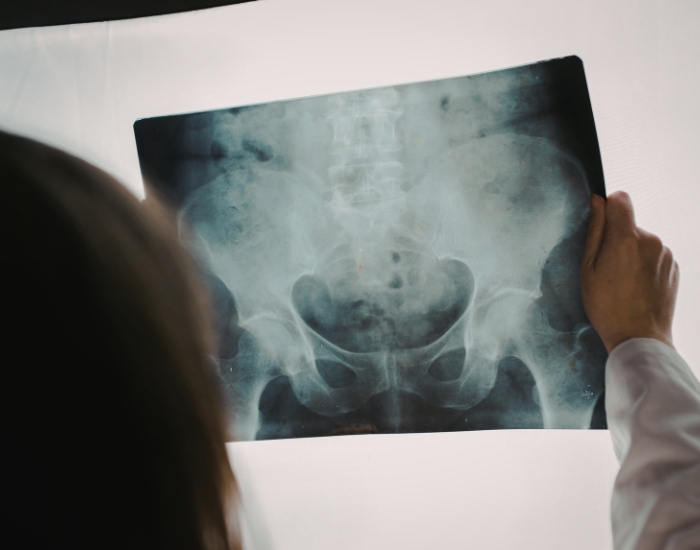
Understanding Pelvic Organ Prolapse
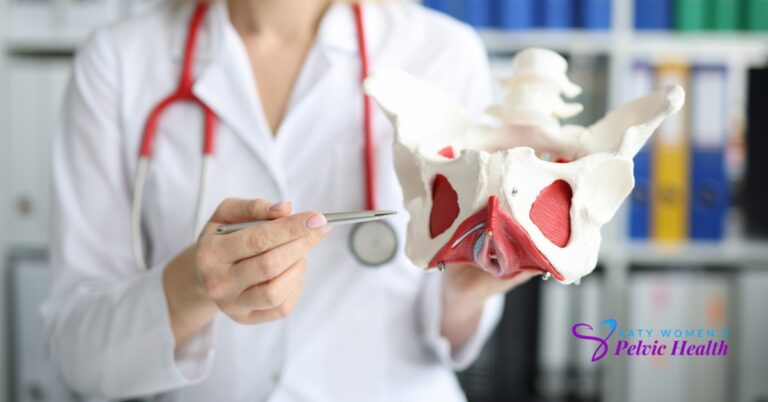
Your pelvic organs are held in place by a supportive hammock of muscles, ligaments and connective tissue called the pelvic floor. When that support is stretched or weakened, organs can descend into the vagina and, in more advanced cases, past the vaginal opening. Prolapse is very common, particularly in women who have had vaginal births and in women after menopause.
Many women with mild prolapse have no symptoms and need no treatment. For others, pressure, bladder or bowel changes and discomfort begin to affect daily activities, exercise and intimacy. Prolapse is rarely dangerous, but it can have a real impact on quality of life, and effective treatment is available at every stage.
Types of pelvic organ prolapse
- Cystocele (anterior wall prolapse): the bladder bulges into the front wall of the vagina. It is the most common type and can cause incomplete bladder emptying or a weak urine stream.
- Rectocele (posterior wall prolapse): the rectum bulges into the back wall of the vagina, which can make bowel movements difficult.
- Uterine prolapse: the uterus and cervix descend into the vagina.
- Vaginal vault prolapse: the top of the vagina drops after a hysterectomy.
- Enterocele: the small bowel presses down into the upper part of the vagina.
Common Symptoms and Possible Causes
Symptoms often build gradually and may feel worse at the end of the day or after long periods of standing.
Symptoms women often notice
- Pressure, heaviness or a dragging sensation in the pelvis or vagina
- A bulge you can see or feel at the vaginal opening
- Difficulty starting urination, a weak stream or a feeling that the bladder is not empty
- Bladder leakage or frequent urinary tract infections
- Difficulty emptying the bowels, sometimes needing to press on the vagina to have a bowel movement
- Low back discomfort or pelvic aching
- Discomfort or a loose sensation during intercourse
Possible causes and risk factors
- Pregnancy and vaginal childbirth, especially large babies or assisted deliveries
- Menopause and the decline in estrogen
- Aging and natural changes in connective tissue
- Chronic constipation and straining
- Repeated heavy lifting
- A chronic cough
- Excess body weight
- Previous pelvic surgery, including hysterectomy
- Family history of prolapse
How far an organ descends does not always match how much it bothers you. Treatment is guided by your symptoms and goals, not by the exam findings alone.
When Should You See a Urogynecologist?
Prolapse is a core part of urogynecology. A urogynecologist completes training in obstetrics and gynecology followed by fellowship training in female pelvic medicine and reconstructive surgery, so the same physician can determine which organs are involved, check how your bladder and bowels are working, and offer the full range of nonsurgical and surgical treatment.
Consider making an appointment if:
- You can feel or see a bulge in the vagina
- Pelvic pressure or heaviness interferes with exercise, work or intimacy
- You have trouble emptying your bladder or bowels
- You have bladder leakage or repeated urinary tract infections
- Symptoms have returned after a previous prolapse repair, or you have concerns about vaginal mesh complications
Seek prompt care if you cannot urinate, if exposed vaginal tissue bleeds or develops a sore, or if you have fever, pain or burning with urination.

Specialized Care From Dr. Solafa Elshatanoufy
Dr. Solafa Elshatanoufy is board-certified in obstetrics and gynecology and in female pelvic medicine and reconstructive surgery (urogynecology), with additional expertise in advanced minimally invasive gynecology. She completed her residency and urogynecology fellowship at Wayne State University and has been in practice since 2010.
For pelvic organ prolapse, that background allows her to identify exactly which areas of support are affected and to offer every appropriate level of care, from pelvic floor therapy and pessary fitting to surgical repair. She also evaluates women with symptoms after a previous prolapse surgery, including complications from vaginal mesh.
She is a member of the American Urogynecologic Society and the American College of Obstetricians and Gynecologists, and she treats women 18 and older with individualized plans that respect each patient’s priorities.
How We Diagnose Pelvic Organ Prolapse
Diagnosis begins with a conversation about your symptoms and a careful, gentle examination. Additional testing is added only when it will change your treatment.
- Symptom and health history: pressure, bladder and bowel function, sexual health, childbirth history and prior surgeries.
- Pelvic examination: performed at rest and while you bear down, sometimes standing, to see which organs move and how far.
- Prolapse staging: prolapse is commonly graded from stage 1 to stage 4 using a standardized measurement system (POP-Q), which helps track changes over time and plan treatment.
- Bladder checks: a urine test and a quick scan of how well your bladder empties.
- Urodynamic testing: often recommended before surgery. Some women have hidden stress incontinence that only appears once the prolapse is supported, and testing helps plan for it.
- Defecogram: an imaging study that may be used when bowel symptoms are a major concern.
Treatment Options for Pelvic Organ Prolapse
Treatment is based on how much the prolapse bothers you, your health and your activity goals. Women with mild, symptom-free prolapse often need only monitoring.
Nonsurgical care
- Pelvic floor physical therapy: targeted muscle training that can reduce pressure and heaviness in mild to moderate prolapse.
- Pessary fitting: a removable silicone support device, fitted in the office, that holds the pelvic organs in place. Pessaries come in many shapes and sizes, and many women learn to remove and clean their own.
- Vaginal estrogen: often used alongside a pessary in postmenopausal women to keep vaginal tissue healthy.
- Lifestyle measures: treating constipation, safer lifting technique, managing a chronic cough and healthy weight to reduce strain on the pelvic floor.
Surgical repair
Surgery may be recommended when symptoms are bothersome and nonsurgical options are not effective or not preferred. The approach depends on which organs are involved, your age and health, and your activity goals.
- Vaginal repair: strengthening the front or back wall of the vagina using your own tissues.
- Minimally invasive laparoscopic repair: restoring support to the top of the vagina or uterus through small incisions.
- Hysterectomy: sometimes performed as part of prolapse repair when appropriate.
- Combined bladder procedures: when stress incontinence is also present, it may be treated during the same surgery.
Every procedure has benefits, risks and recovery considerations, and prolapse can recur after any repair. Dr. Elshatanoufy will walk you through the options that fit your situation so you can decide what is right for you.
What Can You Expect From Treatment?
Many women feel relief from pressure as soon as a well-fitted pessary is in place. Pessary care involves periodic follow-up visits to check the fit and the health of the vaginal tissue. Pelvic floor therapy usually takes several weeks of consistent exercise before symptoms improve.
After prolapse surgery, most women return to light daily activities within a couple of weeks and avoid heavy lifting and strenuous exercise for about six weeks, following their surgeon’s specific instructions. Results differ from woman to woman, and prolapse can return over time, which is why long-term pelvic floor care and follow-up are part of every plan.
Specialized Pelvic Health Care in Katy, Texas
Prolapse care is one of the central focuses of our urogynecology practice.
- Board-certified, fellowship-trained urogynecologist
- Nonsurgical and surgical options in one practice
- Pessary fitting and ongoing pessary care
- Evaluation of prior prolapse and mesh surgery
- Specialized pelvic floor physical therapy
- Convenient Katy location on the Grand Parkway
What Our Patients Say
Patients share their experience of care at our Katy office. Individual results vary.
Dr. Elshatanoufy is simply wonderful! She took the time to thoroughly explain my extensive lab results and other tests, answered all of my questions, and gave me the confidence and peace of mind I needed before moving forward with the procedure.
The entire staff was also incredibly attentive, courteous, and welcoming throughout my visit. I truly loved my experience there and felt very well cared for. I definitely trust Dr. Elshatanoufy and her team with my health needs and would highly recommend them!
I can’t say enough good things about Dr. Solafa. She is warm, attentive, and incredibly compassionate. She takes her time during appointments, listens carefully to concerns, and never makes you feel rushed. Her bedside manner is truly wonderful, and she creates such a comfortable and reassuring environment. You can tell she genuinely cares about her patients. Very sweet, professional, and knowledgeable. I’m so grateful to have found her for my mom’s treatment.
Dr. Elshatanoufy was truly lovely to work with. I’ve had a hard time pinning down my symptoms but she was willing to hear my concerns and do a thorough examination to rule out more serious conditions. She was thorough, efficient, patient, gentle, and kind during the pelvic examination, which is a vulnerable position for women. I felt that she genuinely cared for my wellbeing. After receiving less than ideal care at a neighboring practice in Katy, I am really grateful to Dr. E for validating my concerns, making me feel heard, and reassured with my next steps.
The waiting room was pretty busy and cold when I went. Suggest bringing headphones and some long sleeves!
My experience perfection. From check in to check out. Dia was my MA and she was so professional and a pleasure. She answered all my questions and made sure I was taken care of. Dr Elshatanoufy was AWESOME! Great bedside manner and make my exam comfortable. Then I had the pleasure to check out with Elizabeth and she was just as pleasant. I can tell this is an office that cares greatly for their patients!
This was my first visit at Katy Women’s Pelvic Health. It was a great experience, from checking in with a very helpful and friendly receptionist to being seeing by Nida the office manager, Oyin the NP and Dr. E. Everyone was very friendly, professional, and made the visit very comfortable. They thoroughly explained all the finding and the options for treatment. I highly recommend this practice.
Dr E. and her whole staff are gems! They have the best customer service, energy, and I noticed they are great with all other patients besides me. Dr E. really listens to your problems, offers solutions and she explains things so well. You can tell she loves what she does and does a wonderful job at it. I definitely recommend her practice to anyone seeking top notch, high quality care.
Just the kindest people! I was so at ease with the whole experience!! Very knowledgeable, explained everything and answered all my questions!!! Wish I had found her earlier in my life!!
Mi nombre es Nidia, I am a patient at Katy Women’s Pelvic Health and had my surgery less than 15 days ago. This clinic is highly recommended for its excellent medical and humane care. This type of care is provided by the entire staff, in addition to the doctor, including the receptionist, nurses, and health technicians. The surgeon is Solafa Elshatanoufy, who has more than 20 years of experience in women’s pelvic health, offering modern, effective, and minimally invasive treatments in many cases. She is a compassionate and empathetic person who makes you feel safe, listened to, and cared for by expert and professional hands. The environment is clean and welcoming, and thanks to its modernity, I felt almost no discomfort or pain during the procedures, and everything was quick.
One of the best places to see OBGYN. My mom sees Dr. Solafa. The staffs, nurses, Doctors and the services they provide are very professional and welcoming. Highly recommended.
Top-tier doctor and extremely skilled surgeon, I could not have been more blessed to have her taking care of me. Thank you, Dr. E!
Dr. E is a super great Doctor who listens attentively and collaborates closely with patients throughout every step of the process. Additionally, the office staff was professional, courteous, and efficient.
Dr. E is so kind and professional. She listened to all my concerns and had an answer to all my questions. She made sure I was happy with my medications. Her staff is so helpful and make the visit go quickly and efficiently. I am so glad I found Dr E!
Dr. E has the best bedside manner compared to all the doctors I have seen before. She is so knowledgeable and truly cares for her patients and wants the best for everyone. I feel incredibly lucky to find a doctor willing to always spare time for patients. She is amazing and 1000% worth the wait!!!!
Frequently Asked Questions About Pelvic Organ Prolapse
Is pelvic organ prolapse dangerous?
Prolapse is rarely dangerous, but it can affect comfort, bladder and bowel function and quality of life. Seek prompt care if you cannot urinate, notice bleeding from exposed vaginal tissue, or develop symptoms of a urinary infection.
Can prolapse get better without surgery?
Mild prolapse often improves with pelvic floor physical therapy, managing constipation and avoiding heavy straining. A pessary can control symptoms without surgery at any stage.
What is a pessary, and is it uncomfortable?
A pessary is a removable silicone device that supports the pelvic organs from inside the vagina. When it fits well, most women do not feel it. It is fitted in the office, and the size or shape can be adjusted if needed.
Will my prolapse get worse over time?
Not always. Prolapse stays stable for years in many women, while in others it slowly progresses. Pelvic floor exercises, treating constipation and avoiding heavy straining may help.
Can I exercise with prolapse?
Most women can and should stay active. Low-impact exercise and pelvic floor training are encouraged, while heavy lifting and high-impact activities may need to be modified. We give guidance specific to your situation.
Do I need a hysterectomy to fix prolapse?
Not necessarily. Depending on your anatomy and goals, some women can have the uterus supported rather than removed. Dr. Elshatanoufy will discuss whether this is an option for you.
Can prolapse cause bladder problems?
Yes. A bladder prolapse can make it hard to empty the bladder completely, which can lead to a weak stream, leakage or repeated urinary tract infections. Treating the prolapse often improves these symptoms.
Do you see patients from outside Katy?
Yes. Women from Fulshear, Richmond, Sugar Land, Cypress and across Greater Houston are seen at our Katy office.
Related Articles
More about prolapse and pelvic floor health from our Katy practice.
April 1, 2026
Pelvic Organ Prolapse Symptoms & Treatment in Katy TX
Pelvic organ prolapse (POP) is a condition many women experience but rarely discuss. It occurs when one or more pelvic organs, such as the bladder, uterus, or rectum, drop from their normal position and press against…
Read article: Pelvic Organ Prolapse Symptoms & Treatment in Katy TX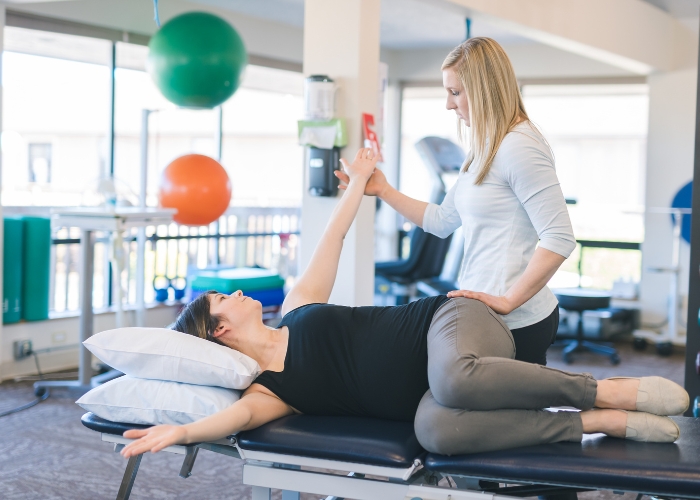
Pelvic Organ Prolapse Care in Katy and Greater Houston
Katy Women’s Pelvic Health is located at 410 W Grand Pkwy S, Suite 320, in Katy, Texas. All consultations, pessary visits and follow-up care take place at our Katy office. We welcome new patients from Katy and Cinco Ranch, as well as women traveling from Fulshear, Richmond, Sugar Land, Cypress and West Houston.
Ready to Talk About Pelvic Pressure or Prolapse?
You deserve clear answers and a treatment plan built around your life. Schedule a consultation with Dr. Solafa Elshatanoufy at our Katy office.
410 W Grand Pkwy S, Suite 320, Katy, TX 77494