
Waking up in the middle of the night drenched in sweat can be frustrating, exhausting, and sometimes even frightening. You may find yourself changing your clothes, replacing damp bed sheets, or struggling to fall back asleep. When this happens night after night, the lack of restful sleep can begin affecting your mood, concentration, energy levels, and overall quality of life.
Many women assume night sweats are simply an unavoidable part of getting older or entering menopause. While hormonal changes are one of the most common reasons for nighttime sweating, they’re far from the only cause. Medical conditions, medications, infections, stress, and even certain lifestyle factors can all contribute to repeated episodes of excessive sweating during sleep.
If your sleep is being interrupted by frequent night sweats, understanding what’s causing them is the first step toward finding relief. In many cases, effective treatments are available, and you don’t have to accept poor sleep as your new normal.
Important Note
Night sweats are often associated with menopause, but they can also be a sign of hormone imbalances, infections, thyroid disorders, medication side effects, or other health concerns. Understanding why they occur and recognizing when professional evaluation is needed can help you protect both your sleep and your long-term health.
Table of Contents
- What Are Night Sweats?
- Why Do Night Sweats Happen?
- Common Symptoms That Accompany Night Sweats
- The Connection Between Menopause and Night Sweats
- Other Medical Causes of Night Sweats
- Who Is More Likely to Experience Night Sweats?
- How Doctors Diagnose the Cause
- Treatment Options
- When Should You Be Concerned?
- Can Night Sweats Be Prevented?
- Women’s Health Care in Katy, TX
- Frequently Asked Questions
What Are Night Sweats?
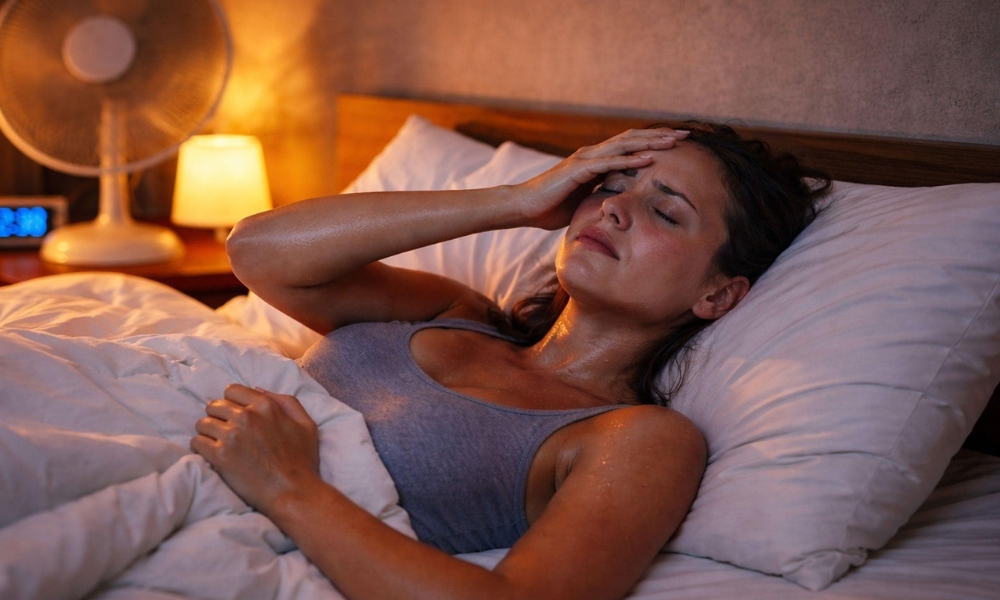
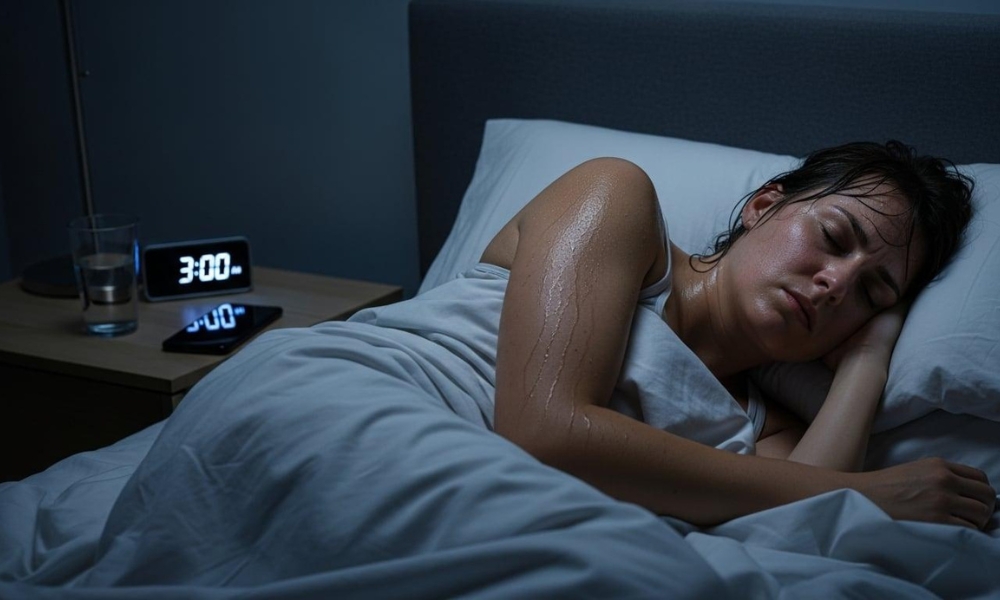
Night sweats are episodes of excessive sweating that occur during sleep, often severe enough to soak your pajamas, bedding, or pillows. Unlike feeling slightly warm under a heavy blanket or waking up because your bedroom is too hot, true night sweats happen even when your sleeping environment is comfortable.
Many women describe waking suddenly with an intense sensation of heat spreading through the chest, neck, and face. Within moments, perspiration becomes so heavy that they need to remove blankets, turn on a fan, or even change clothes before returning to bed.
For some, these episodes happen only occasionally. Others may experience multiple episodes every night for weeks or months. The repeated sleep interruptions can gradually lead to fatigue, irritability, memory problems, difficulty concentrating, and reduced productivity during the day.
Because persistent night sweats often have an underlying medical explanation, they shouldn’t simply be dismissed as an inconvenience. Women experiencing ongoing symptoms can benefit from a comprehensive evaluation through specialized women’s health services in Katy, especially if symptoms begin affecting their daily life.
Why Do Night Sweats Happen?
Your body naturally adjusts its temperature throughout the day and night. During sleep, body temperature usually drops slightly as part of your normal circadian rhythm. This cooling process helps promote deeper, more restorative sleep.
Night sweats develop when the body’s temperature regulation system becomes disrupted. The brain may mistakenly believe your body is overheating, causing blood vessels to widen and sweat glands to become highly active. As perspiration evaporates, your body attempts to cool itself—even if your actual body temperature isn’t elevated.
Hormones play an important role in this process. Estrogen, in particular, helps regulate the body’s internal thermostat located within the hypothalamus. When estrogen levels fluctuate or decline, the thermostat becomes much more sensitive, making sudden episodes of overheating more likely.
This is why women going through perimenopause and menopause commonly experience both daytime hot flashes and nighttime sweating. However, hormones represent only one piece of a much larger picture.
Other conditions affecting metabolism, thyroid function, immune responses, or certain medications may also interfere with normal temperature regulation during sleep.
Common Symptoms That Accompany Night Sweats
Night sweats rarely occur in isolation. Depending on the underlying cause, women often notice several additional symptoms before, during, or after an episode.
The most obvious symptom is excessive perspiration during sleep. Many women wake with damp hair, soaked pajamas, or wet sheets that require changing before returning to bed.
Episodes are frequently accompanied by:
- Sudden sensations of intense heat
- Flushed skin
- Rapid heartbeat
- Feeling anxious or restless
- Chills after sweating stops
- Difficulty falling back asleep
- Morning fatigue
- Daytime sleepiness
- Irritability
- Difficulty concentrating
When night sweats occur repeatedly over weeks or months, sleep deprivation itself begins causing additional symptoms. Women often report decreased patience, reduced work performance, forgetfulness, headaches, and a noticeable decline in overall well-being.
Recognizing this pattern is important because treating the underlying cause often improves far more than just nighttime sweating—it helps restore healthy sleep and overall quality of life.
The Connection Between Menopause and Night Sweats
For many women, night sweats become one of the earliest and most disruptive signs of the menopausal transition. These episodes often begin during perimenopause, when estrogen levels fluctuate unpredictably months or even years before menstrual periods stop completely.
Unlike daytime hot flashes, nighttime episodes frequently go unnoticed until you suddenly wake feeling overheated and soaked with sweat. Some women experience them once every few weeks, while others wake several times each night.
The lack of uninterrupted sleep can become more difficult to manage than the sweating itself. Chronic sleep disruption affects mood, memory, emotional resilience, and physical health. Women commonly describe feeling exhausted despite spending enough hours in bed.
As estrogen declines, the hypothalamus becomes increasingly sensitive to even slight changes in body temperature. This sensitivity triggers inappropriate cooling responses, causing sudden sweating episodes despite a comfortable sleeping environment.
For women whose symptoms significantly interfere with daily life, discussing personalized options such as hormone replacement therapy with an experienced specialist may help reduce both hot flashes and night sweats while improving overall quality of sleep.
It’s important to remember that menopause affects every woman differently. Some experience only mild nighttime warmth, while others have severe episodes that continue for several years after menopause has occurred.
Other Medical Causes of Night Sweats
Although menopause is one of the most common explanations, healthcare providers consider many other possible causes when evaluating persistent night sweats.
Thyroid Disorders
An overactive thyroid gland increases metabolism throughout the body, making it difficult to regulate body temperature. Women with hyperthyroidism may experience excessive sweating, heat intolerance, unexplained weight loss, anxiety, tremors, and rapid heartbeat in addition to nighttime sweating.
Medication Side Effects
Several commonly prescribed medications list excessive sweating as a possible side effect. Certain antidepressants, medications used to treat breast cancer, hormone therapies, diabetes medications, and drugs that reduce fever may all contribute to nighttime sweating in some individuals.
If symptoms begin after starting a new medication, your healthcare provider can determine whether adjustments are appropriate.
Stress and Anxiety
Emotional stress doesn’t stop when you fall asleep. Increased levels of stress hormones may activate the body’s fight-or-flight response during the night, contributing to episodes of sweating, rapid heartbeat, vivid dreams, or nighttime awakenings.
Infections
Certain bacterial and viral infections can produce significant night sweats as part of the body’s immune response. Unlike menopause-related sweating, these episodes are often accompanied by fever, chills, fatigue, or other signs of illness.
Sleep Disorders
Conditions such as obstructive sleep apnea may also contribute to nighttime sweating. Repeated interruptions in breathing place stress on the body and may trigger episodes of excessive perspiration throughout the night.
Because these conditions require entirely different treatments than menopause, obtaining an accurate diagnosis is essential before beginning therapy.
Who Is More Likely to Experience Night Sweats?
Although anyone can experience night sweats occasionally, certain factors make some women much more likely to develop frequent episodes that disrupt sleep. Understanding these risk factors can help determine whether your symptoms are part of a normal life transition or something that deserves further medical evaluation.
One of the most significant risk factors is age. Women entering their forties and fifties often begin experiencing hormonal fluctuations associated with perimenopause. These hormonal changes can continue for several years before menopause and often remain a source of night sweats after menstrual periods have stopped completely.
Family history may also influence how intensely you experience menopausal symptoms. Women whose mothers or sisters experienced severe hot flashes or night sweats often report similar experiences themselves. While genetics do not guarantee the same symptoms, they may increase your likelihood of developing them.
Lifestyle habits can make symptoms more noticeable as well. Smoking has been linked to earlier menopause and more severe vasomotor symptoms, including night sweats. Excessive alcohol consumption, frequent caffeine intake, chronic stress, obesity, and poor sleep habits may all contribute to worsening nighttime symptoms.
Certain medical conditions increase the likelihood of experiencing excessive nighttime sweating. Thyroid disorders, uncontrolled diabetes, autoimmune diseases, chronic infections, and some neurological conditions can all interfere with normal temperature regulation.
Women receiving treatments that reduce estrogen levels, including some breast cancer therapies or surgical removal of the ovaries, often develop sudden and intense night sweats because hormone levels change much more rapidly than they do during natural menopause.
Recognizing these contributing factors helps healthcare providers recommend individualized treatment plans instead of relying on a one-size-fits-all approach.
Important Note
Occasional night sweats after sleeping in a warm room are usually harmless. However, if you’re waking up drenched in sweat several nights a week, losing sleep, or experiencing symptoms such as unexplained weight loss, fever, or persistent fatigue, don’t assume menopause is the only explanation. A thorough medical evaluation can identify the underlying cause and help you receive the most appropriate treatment.
How Doctors Diagnose the Cause of Night Sweats
Persistent night sweats can have many possible causes, so diagnosing the underlying reason requires more than simply asking whether you’re approaching menopause. Healthcare providers begin with a detailed conversation about your symptoms, overall health, and medical history before deciding whether additional testing is necessary.
Your physician will likely ask when the night sweats began, how often they occur, whether they wake you from sleep, and how severe they are. They may also ask whether you experience daytime hot flashes, irregular menstrual periods, weight changes, fever, recent illnesses, or new medications.
These details help narrow the list of possible causes and determine whether symptoms are most consistent with menopause or another medical condition.
Reviewing Your Medical History
A careful medical history often provides valuable diagnostic clues. Questions may include:
- Have your menstrual cycles become irregular?
- Are you experiencing daytime hot flashes?
- Do you wake because you’re sweating or because of another problem?
- Have you recently started a new medication?
- Do you have thyroid disease, diabetes, or another chronic illness?
- Have you noticed unexplained weight loss or persistent fever?
- Is stress affecting your daily life or sleep?
Although these questions may seem unrelated, together they help physicians distinguish menopause from infections, endocrine disorders, medication side effects, and sleep disorders.
Physical Examination
Your healthcare provider will also perform a physical examination to evaluate your overall health. Blood pressure, heart rate, thyroid gland, body weight, and other physical findings may offer important clues regarding the cause of your symptoms.
If you’re also experiencing pelvic discomfort, bladder symptoms, or other gynecologic concerns, evaluation by an experienced urogynecologist may provide a more comprehensive assessment of your hormonal and pelvic health.
Laboratory Testing
Laboratory testing is not necessary for every woman experiencing night sweats. However, blood tests may be recommended when symptoms occur at an unusually young age, appear suddenly, or are accompanied by concerning signs.
Your physician may recommend thyroid function testing, blood sugar evaluation, hormone testing, complete blood counts, inflammatory markers, or additional studies depending on your symptoms and medical history.
Rather than treating night sweats as an isolated symptom, healthcare providers focus on identifying and addressing the underlying cause whenever possible.
Treatment Options for Night Sweats
The most effective treatment depends entirely on why you’re experiencing night sweats. While lifestyle changes help many women, others benefit from medications or therapies that specifically target the underlying condition.
Hormone Replacement Therapy (HRT)
For women whose night sweats are caused by menopause, hormone replacement therapy remains one of the most effective treatment options available. By restoring declining estrogen levels, HRT can significantly reduce nighttime sweating, improve sleep quality, and relieve many other menopausal symptoms.
Today’s hormone therapy is highly individualized. Your healthcare provider considers your age, medical history, cardiovascular health, family history of breast cancer, and personal preferences before recommending treatment.
Women considering treatment often benefit from discussing personalized options for hormone replacement therapy in Katy to determine whether it is appropriate for their individual situation.
Non-Hormonal Prescription Medications
Not every woman can or wishes to take hormone therapy. Fortunately, several non-hormonal medications have been shown to reduce the frequency and severity of menopausal night sweats.
Depending on your medical history, your healthcare provider may recommend medications that influence the body’s temperature regulation without using estrogen. These treatments can be especially helpful for women with medical conditions that make hormone therapy inappropriate.
Improving Your Sleep Environment
Small changes to your bedroom can make a meaningful difference, particularly when combined with medical treatment.
Many women find relief by keeping the bedroom cool, using breathable cotton sheets, wearing lightweight sleepwear, and avoiding heavy blankets. Moisture-wicking bedding products may also improve comfort during episodes of nighttime sweating.
Keeping a fan nearby or lowering the thermostat before bedtime often helps reduce overheating while sleeping.
Identifying Personal Triggers
Although hormonal changes cannot always be prevented, many women notice certain habits make their night sweats worse.
Common triggers include:
- Alcohol before bedtime
- Large evening meals
- Spicy foods
- Caffeine late in the day
- Smoking
- Emotional stress
- Overheated bedrooms
Keeping a symptom diary for several weeks can help identify patterns between daily habits and nighttime episodes.
Managing Stress
Chronic stress affects both hormone regulation and sleep quality. Incorporating relaxation techniques before bedtime may help reduce stress-related awakenings while promoting deeper, more restorative sleep.
Simple practices such as deep breathing, meditation, gentle stretching, yoga, reading, or listening to calming music may help prepare both the body and mind for restful sleep.
Treating Underlying Medical Conditions
If night sweats are caused by thyroid disease, diabetes, infections, sleep apnea, or medication side effects, treating the underlying condition often results in significant improvement.
This highlights the importance of obtaining an accurate diagnosis rather than assuming every episode is simply part of menopause.
How Night Sweats Affect Overall Health
Night sweats are often viewed as a symptom that mainly causes discomfort, but their impact extends much further than waking up with damp sheets. Over time, repeated interruptions to sleep can affect nearly every system in the body.
Sleep is essential for hormone regulation, immune function, memory consolidation, cardiovascular health, and emotional well-being. When you’re waking multiple times each night because of excessive sweating, your body loses valuable restorative sleep.
Many women begin noticing persistent fatigue during the day, reduced concentration at work, increased irritability, and difficulty remembering routine tasks. Some describe feeling mentally “foggy” despite spending enough hours in bed.
Poor sleep may also influence appetite, physical activity, and mood. Over time, these effects can contribute to weight gain, increased stress, reduced motivation to exercise, and a decline in overall quality of life.
The encouraging news is that improving the underlying cause of night sweats often restores healthier sleep patterns, allowing women to regain their energy, focus, and emotional balance.
When Should You Be Concerned About Night Sweats?
Not every episode of nighttime sweating is a cause for alarm. Sleeping in a warm room, using heavy blankets, or having a temporary fever can all lead to sweating during the night. However, persistent night sweats that repeatedly interrupt your sleep should never be ignored, especially when they begin affecting your health or daily routine.
If you’re waking several nights a week soaked with sweat, changing your pajamas or bed linens regularly, or feeling exhausted because your sleep is constantly interrupted, it’s time to schedule an evaluation with your healthcare provider. While menopause is a common explanation, other medical conditions should also be considered.
You should also seek medical attention if your night sweats are accompanied by:
- Unexplained weight loss
- Persistent fever or chills
- Chest pain
- Difficulty breathing
- Severe heart palpitations
- Persistent fatigue that doesn’t improve with rest
- Enlarged lymph nodes
- New or worsening pelvic pain
Women younger than 40 who begin experiencing regular night sweats should also consult a healthcare provider. Although early menopause is possible, hormonal disorders, thyroid disease, autoimmune conditions, or other medical issues may require evaluation.
Remember that your symptoms are unique. Rather than assuming they’re simply part of aging, a comprehensive assessment can provide reassurance or identify a condition that benefits from early treatment.
Can Night Sweats Be Prevented?
Night sweats cannot always be prevented, particularly when they result from the natural hormonal changes of menopause. However, many women are able to reduce the frequency and severity of episodes by combining healthy lifestyle habits with appropriate medical care.
One of the most effective strategies is creating a sleep environment that supports healthy temperature regulation. Keeping your bedroom cool, choosing breathable cotton or moisture-wicking bedding, and wearing lightweight sleepwear can make nighttime episodes less disruptive.
Maintaining a healthy weight, exercising regularly, and eating a balanced diet also contribute to better hormone regulation and overall health. While these changes may not eliminate night sweats entirely, they often improve sleep quality and reduce symptom intensity.
If you notice that certain foods or beverages trigger episodes, limiting them—especially in the evening—may also help. Many women report improvement after reducing spicy foods, alcohol, or caffeine close to bedtime.
Managing stress deserves equal attention. Because emotional stress can influence both hormone levels and sleep quality, incorporating relaxation techniques into your bedtime routine may reduce nighttime awakenings and improve restorative sleep.
For women whose symptoms remain persistent or severe despite lifestyle changes, individualized medical treatment often provides the greatest improvement.
How Night Sweats Can Affect Relationships and Emotional Well-Being
The effects of night sweats extend beyond physical discomfort. Interrupted sleep often impacts emotional health, relationships, and confidence in ways that aren’t always discussed.
Many women become frustrated by waking several times each night, only to struggle falling asleep again. Over time, this lack of quality sleep may contribute to increased irritability, mood swings, reduced patience, anxiety, or feelings of emotional exhaustion.
Night sweats can also affect partners. Repeatedly turning on fans, changing bedding, getting out of bed, or adjusting room temperatures may disturb everyone’s sleep, creating additional stress within the household.
Some women even begin worrying about overnight travel, staying in hotels, or sharing a room with family members because they fear waking up drenched in sweat. These concerns can gradually reduce social confidence and overall enjoyment of daily life.
The reassuring news is that effective treatment often improves much more than nighttime sweating. Better sleep frequently leads to improved mood, clearer thinking, increased energy, healthier relationships, and a greater sense of well-being.
When Lifestyle Changes Aren’t Enough
It’s natural to try simple home remedies first. Lowering the thermostat, changing bedding, avoiding spicy foods, or using a bedside fan can certainly improve comfort. However, if you’re still waking multiple times every week with significant sweating, it’s important not to rely solely on self-management.
Persistent night sweats may indicate that your body needs more than environmental adjustments. Hormonal changes associated with menopause often respond best to individualized treatment plans rather than temporary coping strategies.
Your healthcare provider will consider your age, medical history, symptom severity, and personal preferences before recommending treatment. For some women, reassurance and lifestyle modifications are enough. Others experience dramatic improvements with hormone therapy or carefully selected non-hormonal medications.
The goal isn’t simply reducing sweat—it’s restoring healthy, uninterrupted sleep so your body and mind can recover each night.
Women’s Health Care for Night Sweats in Katy, TX
If persistent night sweats are disrupting your sleep, affecting your energy, or interfering with your daily life, you don’t have to manage these symptoms alone. Whether they’re related to menopause, perimenopause, hormone imbalance, or another underlying condition, identifying the cause is the first step toward effective treatment.
At Katy Urogynecologist, women receive compassionate, individualized care focused on diagnosing the underlying cause of menopausal symptoms and developing treatment plans tailored to their health goals. From hormone evaluations to personalized menopause management, care is designed to help women regain restful sleep and improve their quality of life.
Comprehensive treatments for women’s pelvic and hormonal health are available, along with guidance on lifestyle changes, non-hormonal therapies, and hormone replacement therapy when appropriate. If you’re ready to discuss your symptoms, you can schedule an appointment for a personalized consultation.
Women throughout Katy, Houston, Sugar Land, Richmond, Cypress, Fulshear, and nearby communities trust experienced urogynecologic care to help them navigate menopause and achieve better long-term health.
Frequently Asked Questions
Are night sweats always caused by menopause?
No. Although menopause is one of the most common causes, night sweats may also result from thyroid disorders, infections, medications, stress, sleep apnea, diabetes, or other medical conditions. A healthcare provider can help determine the underlying cause.
How often are night sweats considered normal?
Occasional sweating due to a warm room or temporary illness is common. However, if you’re waking several nights a week drenched in sweat or your sleep is consistently interrupted, it’s worth discussing your symptoms with a healthcare professional.
Can hormone replacement therapy help with night sweats?
Yes. For many healthy women experiencing menopause-related symptoms, hormone replacement therapy is one of the most effective treatments for reducing both hot flashes and night sweats. Treatment should always be individualized after a thorough medical evaluation.
Can stress trigger night sweats?
Yes. Emotional stress and anxiety can activate your body’s stress response, increasing heart rate and body temperature regulation changes that contribute to nighttime sweating and interrupted sleep.
What is the difference between hot flashes and night sweats?
Hot flashes typically occur during the day, while night sweats are episodes of excessive sweating that happen during sleep. Both are considered vasomotor symptoms and often share similar underlying hormonal causes.
Should I be worried if my night sweats wake me every night?
Frequent night sweats that disrupt sleep every night should be evaluated by a healthcare provider. Although menopause is a common explanation, persistent symptoms deserve assessment to rule out other medical conditions and discuss effective treatment options.
Can changing my diet reduce night sweats?
For some women, avoiding spicy foods, alcohol, and excessive caffeine—especially in the evening—may reduce symptom frequency. While dietary changes alone may not eliminate night sweats, they can be a helpful part of an overall treatment plan.
When should I seek emergency medical care?
Seek immediate medical attention if night sweats occur with chest pain, severe shortness of breath, fainting, confusion, or other emergency symptoms. These signs require prompt medical evaluation.
Final Thoughts
Night sweats that interrupt your sleep are more than just an uncomfortable nuisance—they can affect your physical health, emotional well-being, relationships, and overall quality of life. While menopause is often responsible, it’s important to remember that persistent nighttime sweating can also be associated with other treatable medical conditions.
Understanding the cause of your symptoms allows you and your healthcare provider to develop a personalized treatment plan that restores restful sleep and improves your daily well-being. Whether through lifestyle adjustments, hormone replacement therapy, non-hormonal medications, or treatment of an underlying condition, effective relief is possible for many women.
If you’re waking up night after night because of excessive sweating, don’t assume it’s something you simply have to live with. A professional evaluation can help you find answers—and more importantly, help you sleep comfortably again.
Medical Disclaimer
This article is intended for educational purposes only and should not be used as a substitute for professional medical advice, diagnosis, or treatment. Every woman’s symptoms and medical history are unique. If you experience persistent night sweats, worsening menopausal symptoms, or any concerning changes in your health, consult a qualified healthcare provider for a comprehensive evaluation. Seek immediate medical attention if you experience chest pain, difficulty breathing, fainting, or other emergency symptoms.