
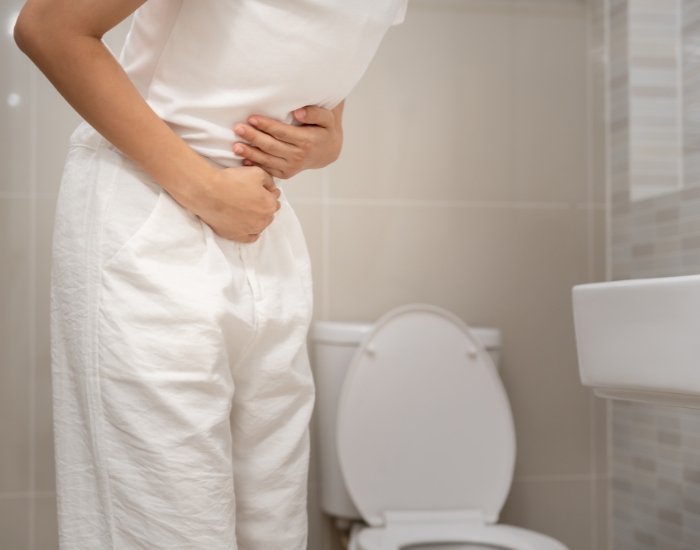
Frequent urination and urgency are common symptoms that many women experience at some point in their lives. While occasional increases in bathroom trips may be harmless, persistent symptoms can signal underlying health issues that require evaluation. Frequent urination, or urinating more than usual during the day or night, paired with a sudden, intense urge to urinate, can disrupt daily routines, sleep, and overall quality of life. Understanding the potential causes, risk factors, and when to seek help is essential for maintaining bladder health.
Table of Contents
- Understanding Frequent Urination and Urgency
- Normal vs. Abnormal Urination Patterns
- Common Causes in Women
- Lifestyle and Dietary Factors
- Urinary Tract Infections (UTIs)
- Overactive Bladder
- Diabetes and Other Systemic Conditions
- Hormonal Changes and Menopause
- Medications and Medical Treatments
- When to See a Specialist
- Managing Symptoms and Prevention
- Final Thoughts
1. Understanding Frequent Urination and Urgency
Frequent urination refers to the need to urinate more often than usual, often defined as more than eight times in a 24-hour period. Urinary urgency is the sudden, compelling need to urinate immediately, which may lead to accidental leakage if a restroom is not nearby. These symptoms may appear together or separately and can range from mild inconvenience to significant disruption of daily life. For women, frequent urination and urgency may be linked to bladder, pelvic, hormonal, or systemic health issues.
2. Normal vs. Abnormal Urination Patterns
Understanding what is normal helps distinguish when symptoms may indicate a problem. Most healthy adults urinate about 6–8 times per day, depending on fluid intake. Waking once or twice at night to urinate can also be normal, especially after consuming fluids before bedtime. Abnormal patterns include frequent urination throughout the day or night, urgency accompanied by leakage, or a sudden change in urinary habits. Tracking symptoms with a bladder diary can help provide useful information for healthcare evaluation.
3. Common Causes in Women
Several conditions can contribute to frequent urination and urgency in women. Common causes include:
- Urinary Tract Infections (UTIs): Infections in the bladder or urethra often cause burning, urgency, and increased frequency.
- Overactive Bladder (OAB): A condition where the bladder muscles contract involuntarily, causing sudden urgency and frequent urination.
- Interstitial Cystitis: Chronic bladder inflammation that leads to discomfort and frequent urination.
- Pelvic Floor Weakness: Weak muscles can reduce bladder support, resulting in urgency and leakage.
- Pregnancy: Hormonal changes and increased pressure on the bladder can increase frequency.
- Hormonal Changes: Menopause and estrogen decline can affect bladder tissue and urinary function.
4. Lifestyle and Dietary Factors
Certain lifestyle choices and dietary habits may trigger or worsen urinary urgency and frequency:
- High Fluid Intake: Drinking large amounts of fluids, especially in a short period, can increase urination frequency.
- Caffeine and Alcohol: Both act as bladder stimulants and diuretics, which may worsen urgency.
- Carbonated and Acidic Beverages: Can irritate the bladder lining.
- Stress and Anxiety: Emotional stress can lead to bladder overactivity in some women.
5. Urinary Tract Infections (UTIs)
UTIs are one of the most common causes of frequent urination and urgency in women. The infection irritates the bladder lining, causing sudden urgency, burning, and increased trips to the restroom. UTIs may also cause lower abdominal pain, cloudy urine, or a strong odor. Prompt evaluation and treatment with antibiotics are important to prevent infection from spreading to the kidneys and causing more serious complications.
6. Overactive Bladder
Overactive bladder (OAB) is a chronic condition that results in sudden urges to urinate, often accompanied by frequency and nocturia. Unlike infections, OAB is not caused by bacteria but by abnormal nerve signaling or overactive bladder muscles. Symptoms can range from mild urgency to urge incontinence, where urine leaks before reaching a restroom. Treatments include lifestyle modifications, bladder training, pelvic floor therapy, and medications when needed.
7. Diabetes and Other Systemic Conditions
Certain medical conditions can contribute to frequent urination and urgency in women. Diabetes is a common cause, as high blood sugar levels increase urine production, leading to more frequent trips to the bathroom. A rarer condition, diabetes insipidus, affects the body’s fluid balance and also results in excessive urination. Heart or kidney problems may lead to fluid retention, and treatment with diuretics can further increase urination frequency. Additionally, neurological disorders such as multiple sclerosis or Parkinson’s disease can interfere with the nerve signals that control bladder function, leading to urgency or incomplete emptying.
8. Hormonal Changes and Menopause
Hormonal fluctuations, especially during menopause, can affect urinary function. Declining estrogen levels may thin the bladder and urethral tissues, reducing their support and contributing to urgency, leakage, or frequent urination. Women may also experience increased sensitivity to bladder irritants during this time. Hormone replacement therapy or local estrogen therapy may be discussed with a specialist to address these changes.
9. Medications and Medical Treatments
Several medications may increase urination frequency or trigger urgency in women. Diuretics, commonly known as water pills, are used for high blood pressure or fluid retention and can lead to increased urination. Certain antidepressants or antipsychotic medications may also affect bladder control. Medications for heart or kidney conditions can contribute as well. Understanding potential side effects and discussing alternatives with a healthcare provider can help reduce urinary symptoms while managing underlying health conditions effectively.
10. When to See a Specialist
Women should seek evaluation from a healthcare professional if frequent urination or urgency persists, worsens over time, or is accompanied by concerning symptoms. These include pain or burning during urination, blood in the urine, fever, or other signs of infection. Persistent incontinence or leakage that affects daily life is also a signal to consult a specialist. A urogynecologist or female pelvic medicine expert can perform a thorough assessment, identify the underlying cause, and recommend a personalized treatment plan to address the symptoms safely and effectively.
11. Managing Symptoms and Prevention
There are practical strategies women can use to manage frequent urination and urgency and reduce flare-ups. Keeping a bladder diary to track fluid intake, bathroom visits, and symptom triggers can provide valuable insights. Limiting bladder irritants such as caffeine, alcohol, and acidic foods may decrease urgency. Timed voiding and bladder training exercises can help retrain the bladder to hold urine longer. Strengthening pelvic floor muscles through Kegel exercises improves bladder support and control. Maintaining proper hydration while avoiding excessive fluid intake in short periods also helps. When combined with medical evaluation and treatment, these approaches can significantly enhance comfort and quality of life.
12. Final Thoughts
Frequent urination and urgency in women are common but often manageable symptoms. Identifying the underlying cause — whether infection, overactive bladder, hormonal changes, or systemic conditions — is key to effective treatment. Women experiencing these symptoms should not ignore them, as early evaluation by a qualified specialist leads to better outcomes and improved quality of life.
If you are experiencing frequent urination or urinary urgency, scheduling a consultation with Katy Women’s Pelvic Health can help identify the cause and provide personalized treatment options to restore comfort and confidence.
Disclaimer: This article is for informational purposes only and should not replace professional medical advice. Always consult a qualified healthcare provider for evaluation, diagnosis, and treatment of urinary symptoms.