Postpartum pelvic floor physical therapy is a guided program that helps the muscles, tissue and core recover after pregnancy and birth. It treats leakage, pelvic heaviness, diastasis recti, painful sex and tailbone or scar pain. Most women start a formal evaluation around six weeks after delivery, once cleared by their doctor.
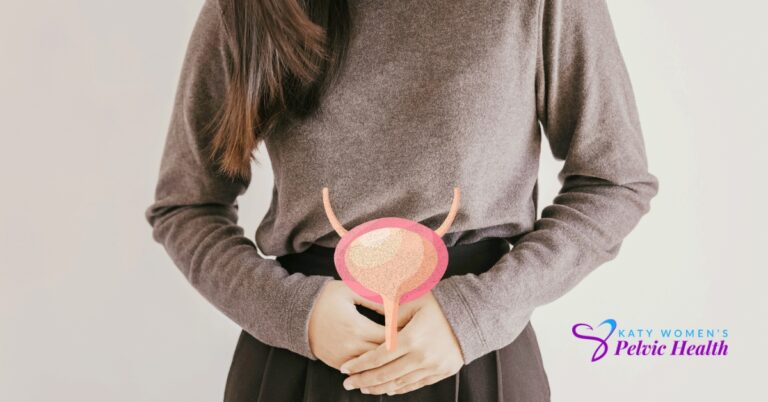
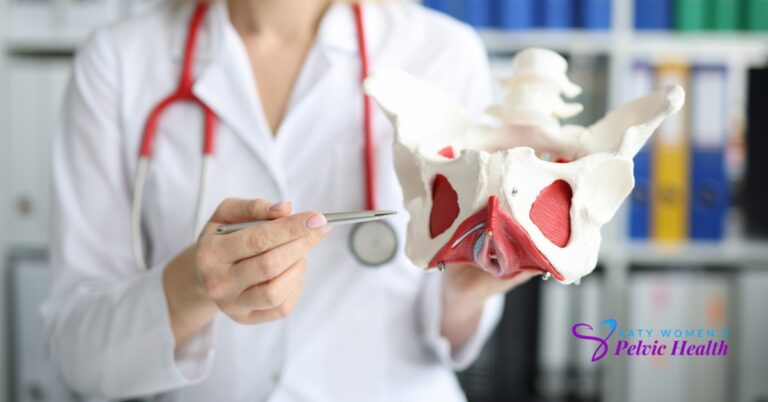
Pregnancy and birth place months of load and then a sudden stretch on the pelvic floor, the group of muscles that supports the bladder, uterus and bowel. Many new mothers are told that leaking, heaviness or painful sex is just part of having a baby. These symptoms are common, but they are treatable, and the earlier you address them, the easier recovery tends to be.
At a glance: your recovery plan
- First weeks: rest, gentle breathing and light pelvic floor squeezes if comfortable; avoid heavy lifting and straining.
- Around 6 weeks: after your postpartum check, book a pelvic floor evaluation if you have any symptoms.
- Before running or heavy lifting: get your pelvic floor checked, ideally around 3 months.
- Sooner if you had a severe tear, cannot control gas or stool, or feel a bulge.
What Happens to the Pelvic Floor During Pregnancy and Birth?
During pregnancy, the growing uterus and hormones such as relaxin increase load and laxity on the pelvic floor. In a vaginal birth, these muscles stretch to several times their resting length, and the pudendal nerve that powers them can be stretched too. A tear or episiotomy adds a healing scar.
Most of this recovers over the first months, but not always fully. Long pushing, a large baby, forceps or vacuum delivery and deeper tears raise the chance of lasting weakness, leakage or prolapse. A cesarean birth protects the pelvic floor from the stretch of delivery but not from the strain of pregnancy, and brings its own abdominal scar to heal.
What Does Postpartum Pelvic Floor Therapy Treat?
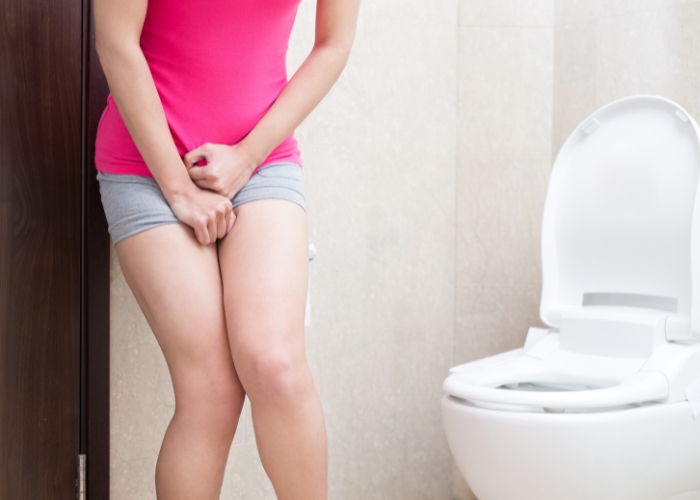
Pelvic floor therapy treats the common physical problems that follow pregnancy and birth: urine or gas leakage, pelvic heaviness or mild prolapse, separation of the abdominal muscles, painful intercourse, perineal or cesarean scar pain, tailbone pain and difficulty returning to exercise.
| Symptom | What you can do now | When to see a specialist |
|---|---|---|
| Leaking with coughing, sneezing or lifting the baby | Gentle pelvic floor squeezes, “the knack” before effort | If it continues after 6 to 12 weeks |
| Heaviness or a bulge in the vagina | Lie down to rest, avoid straining, treat constipation | At your postpartum check or sooner |
| A gap or doming along the belly midline | Roll to your side to get up, avoid crunches | If it limits you after 8 weeks |
| Pain with sex or tampons | Use plenty of lubricant, go slowly | If pain continues after the first few months |
| Leaking gas or stool, or urgency to open bowels | Soft stools, fiber, do not strain | Promptly, especially after a severe tear |
| Leaking or pain when running | Pause high-impact exercise | Before returning to running |
When Should I Start Pelvic Floor Therapy After Birth?
Gentle breathing and pelvic floor activation can usually begin within days of delivery if comfortable. A formal pelvic floor evaluation is typically scheduled around six weeks postpartum, after your doctor confirms healing. Women with a third or fourth-degree tear, bowel leakage or a bulge may benefit from earlier referral.
0–2 weeks
Rest, breathing, gentle squeezes, short walks
2–6 weeks
Gradual walking, posture and lifting technique
6–12 weeks
Pelvic floor evaluation, strength and core training
3 months+
Graded return to running, lifting and sport
Recovering after your baby?
Our pelvic floor physical therapist and board-certified urogynecologist Dr. Solafa Elshatanoufy work together in one practice in Katy, serving new mothers from Katy, Fulshear, Cypress, Richmond and Sugar Land.
What Happens at a Pelvic Floor Therapy Visit?
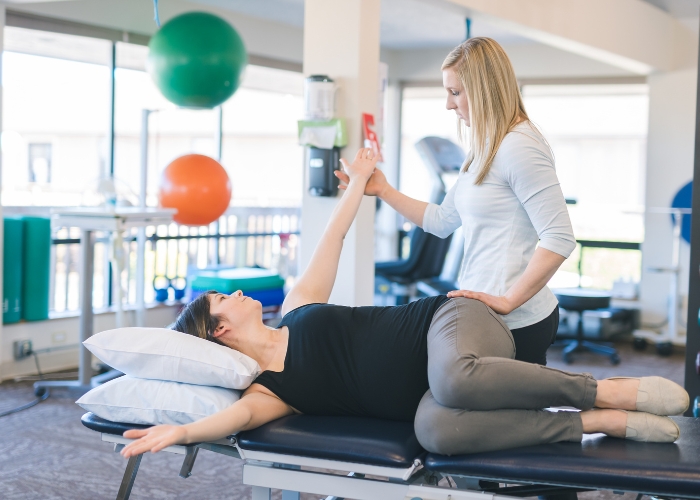
A first visit includes a conversation about your birth, symptoms and goals, a check of posture, breathing and the abdominal wall, and usually a gentle internal exam to assess strength, tension and coordination of the pelvic floor. You leave with a home program tailored to what was found.
- Muscle training: strengthening for weak muscles, or relaxation for tight, painful ones; not every woman needs Kegels.
- Core and diastasis work: breathing and deep abdominal training to restore control of the midline.
- Scar care: gentle massage and mobility for perineal or cesarean scars once healed.
- Bladder and bowel habits: healthy timing, toilet posture and fluid habits.
- Return to activity: a step-by-step plan back to running, lifting and sport.
Can Pelvic Floor Therapy Help Painful Sex After Childbirth?
Yes. Painful intercourse after birth often comes from a tender scar, tight protective muscles or dryness while breastfeeding, when estrogen is low. Therapy releases tension and desensitizes the scar, and a doctor can treat dryness with lubricants or a small amount of vaginal estrogen if needed.
From a pharmacist’s point of view: breastfeeding lowers estrogen, which can leave vaginal tissue thin and dry. Low-dose vaginal estrogen acts locally with very little absorbed into the bloodstream; ask your doctor whether it is appropriate for you while breastfeeding. Water or silicone-based lubricants without fragrance or warming agents are gentlest. Constipation from iron supplements or pain medicines also strains healing tissue, so a stool softener can help.
When to seek immediate medical evaluation
- Heavy bleeding (soaking a pad in an hour), large clots or fever after delivery
- Foul-smelling discharge, or a wound that is red, hot or opening
- Calf pain or swelling, chest pain or shortness of breath
- You cannot urinate, or you lose control of stool
Go to an emergency room or call 911 in an emergency.
When Is a Urogynecologist Needed After Pregnancy?
Most postpartum symptoms improve with therapy alone. A urogynecologist is helpful when leakage, prolapse or bowel symptoms persist after several months of therapy, after a severe tear, or when a pessary or further testing could help. Dr. Elshatanoufy and our therapist work as one team, so care is coordinated.
Learn more about postpartum leakage treatment, prolapse care and sexual health care.
Your Care Team
Sonya Asghari, PT
Licensed pelvic floor physical therapist leading postpartum rehabilitation.
Dr. Solafa Elshatanoufy, MD, PharmD
Board-certified urogynecologist for exams, pessaries and medical treatment.
Oyindamola Gbadamosi, FNP
Follow-up visits and coordination of your care.
Postpartum Pelvic Floor Care in Katy, Fulshear and Cypress
Katy Women’s Pelvic Health is at 410 W Grand Pkwy S, Suite 320, Katy, TX 77494, near I-10 and the Grand Parkway, convenient to the growing family communities of Katy, Fulshear, Cypress, Richmond and Sugar Land. We are open Monday to Friday, 8:00 AM to 5:00 PM, and we accept most major insurance plans. See our pelvic floor physical therapy page.
Key Takeaways
- Leaking, heaviness and painful sex after birth are common and treatable.
- A pelvic floor evaluation around six weeks postpartum is a good starting point.
- Therapy is tailored: some women need strengthening, others need relaxation.
- Get checked before returning to running or heavy lifting.
- Seek care sooner after a severe tear or with bowel leakage.
Frequently Asked Questions
When should I start pelvic floor therapy after giving birth?
Most women begin a formal pelvic floor evaluation around six weeks after delivery, once cleared at the postpartum visit. Gentle breathing and pelvic floor activation can usually start in the first days, and earlier referral is reasonable for severe tears or significant symptoms.
Can pelvic floor therapy fix incontinence after pregnancy?
For most women, yes. Supervised pelvic floor muscle training is the first recommended treatment for postpartum leakage and resolves or greatly improves it in many women.
Is it normal to have pain during sex after having a baby?
It is common, especially with stitches, a tear or while breastfeeding, but it is not something to push through. Pain lasting beyond the first few months is very treatable.
Can pelvic floor therapy help prolapse after childbirth?
It can reduce symptoms such as heaviness and may improve mild prolapse. A pessary can add support while you recover and train.
What is diastasis recti?
Diastasis recti is a separation of the two sides of the front abdominal muscle along the midline after pregnancy. Many cases improve on their own, and guided core and pelvic floor training helps restore function.
Do I need a pelvic floor evaluation if I had a C-section?
It can still help. Pregnancy itself strains the pelvic floor, and women who had a cesarean can also have leakage, pelvic pain or abdominal wall problems.
Feel strong and confident again
Book a postpartum pelvic floor visit at our Katy office.