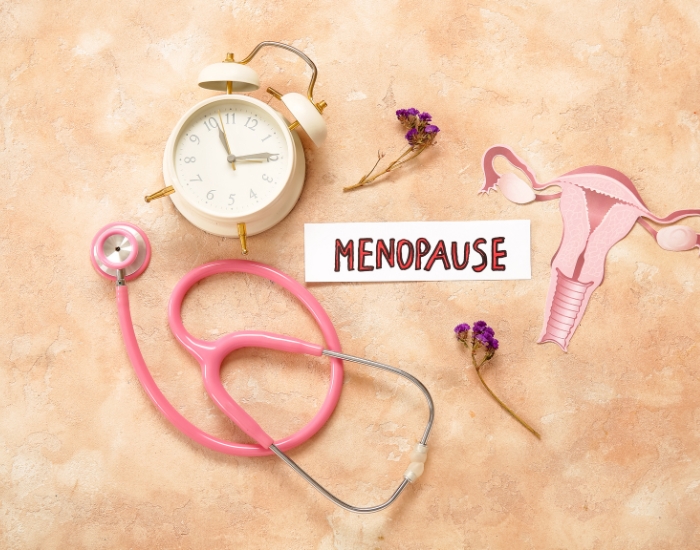

Menopause is a natural stage of life for every woman, but not every woman reaches it the same way. While natural menopause develops gradually over several years, surgical menopause happens suddenly after both ovaries are removed, usually during a procedure called a bilateral oophorectomy. Because the ovaries are the body’s primary source of estrogen and progesterone, their removal causes hormone levels to drop almost immediately.
For many women, this abrupt hormonal change can trigger symptoms that are more intense than those experienced during natural menopause. Hot flashes may appear within days, sleep can become disrupted almost overnight, vaginal dryness may develop quickly, and emotional changes can feel overwhelming. These symptoms often occur while women are simultaneously recovering from major surgery, making the transition even more challenging.
Although surgical menopause can feel unexpected and difficult, understanding why these symptoms occur—and knowing that effective treatments are available—can help women navigate recovery with greater confidence. Every woman’s experience is different, and personalized care can make a significant difference in comfort, long-term health, and overall quality of life.
In this guide, we’ll explain the symptoms commonly experienced after surgical menopause, why they develop so rapidly, how they differ from natural menopause, and the treatment options available to help women manage this important transition.
Important Note
Experiencing sudden menopausal symptoms after surgery can be physically and emotionally overwhelming. While these changes are often expected after both ovaries are removed, severe or persistent symptoms should never be ignored. Early evaluation and individualized treatment can significantly improve recovery, comfort, and long-term health.
Table of Contents
- What Is Surgical Menopause?
- Why Symptoms Develop So Quickly
- Common Symptoms Following Surgical Menopause
- Emotional and Mental Health Changes
- Long-Term Health Considerations
- Diagnosis and Evaluation
- Treatment Options
- When to Contact Your Doctor
- Supporting Your Health After Surgery
- Women’s Health Care in Katy, TX
- Frequently Asked Questions
What Is Surgical Menopause?
Surgical menopause occurs when both ovaries are removed before natural menopause. Because the ovaries produce most of the body’s estrogen and progesterone, their removal causes hormone levels to decline immediately rather than gradually over several years.
This is very different from natural menopause, where hormone production slowly decreases during perimenopause. In natural menopause, the body has time to adjust to changing hormone levels. With surgical menopause, however, symptoms often appear suddenly because there is no gradual transition.
Not every gynecologic surgery causes surgical menopause. A hysterectomy that removes only the uterus but leaves one or both ovaries intact does not immediately cause menopause. Surgical menopause specifically refers to the removal of both ovaries, whether performed alone or together with a hysterectomy.
Women may undergo bilateral ovary removal for several reasons, including treatment of ovarian masses, severe endometriosis, chronic pelvic pain, certain hereditary cancer risks, or gynecologic cancers. Regardless of the reason, understanding the hormonal changes that follow can help women prepare for recovery and ongoing care.
Many women benefit from ongoing follow-up with specialists in women’s health in Katy to help manage symptoms while supporting long-term wellness.

Why Do Symptoms Develop So Suddenly After Surgery?
The ovaries play a central role in regulating many body systems. In addition to controlling the menstrual cycle, they produce estrogen, progesterone, and small amounts of testosterone. These hormones influence the brain, bones, heart, bladder, skin, muscles, vaginal tissues, and emotional well-being.
When both ovaries are removed, hormone production falls dramatically within a very short period. Unlike natural menopause, where hormone levels fluctuate over several years, surgical menopause creates an abrupt hormonal shift that leaves the body with little time to adapt.
As a result, women often notice symptoms beginning within days or weeks after surgery. Some experience several symptoms simultaneously, while others notice one symptom becoming especially bothersome before additional changes develop.
The intensity of symptoms varies from person to person. Age, overall health, previous hormone levels, underlying medical conditions, and whether hormone therapy is appropriate all influence how women experience surgical menopause.
Common Symptoms Following Surgical Menopause
Because estrogen affects nearly every organ system, surgical menopause can produce a wide range of symptoms. Although not every woman experiences all of them, several symptoms are especially common during the first weeks and months after surgery.
Hot Flashes
Hot flashes are among the earliest and most recognizable symptoms of surgical menopause. Many women describe sudden waves of warmth spreading across the face, neck, and chest, often accompanied by sweating, flushed skin, and an increased heart rate.
Because hormone levels decline abruptly after surgery, hot flashes following surgical menopause may be more frequent or more intense than those experienced during natural menopause.
Night Sweats
Hot flashes that occur during sleep are commonly referred to as night sweats. These episodes may awaken women multiple times throughout the night, leaving sleep clothing or bedding damp and making it difficult to return to sleep.
Repeated sleep disruption often contributes to fatigue, irritability, reduced concentration, and daytime exhaustion.
Sleep Disturbances
Even women who do not experience frequent night sweats may notice difficulty falling asleep or staying asleep. Hormonal changes can affect the body’s normal sleep regulation, leading to lighter sleep and more nighttime awakenings.
Poor sleep may also worsen mood changes, memory difficulties, and physical recovery following surgery.
Vaginal Dryness
Reduced estrogen affects the tissues lining the vagina, making them thinner, less elastic, and less naturally lubricated. Many women notice vaginal dryness, burning, irritation, or discomfort during daily activities or sexual intercourse.
These symptoms often become more noticeable over time if left untreated.
Changes in Sexual Health
Some women experience decreased sexual desire following surgical menopause. Hormonal changes, vaginal dryness, recovery from surgery, emotional stress, and fatigue may all contribute to changes in intimacy.
Open conversations with your healthcare provider can help identify treatment options that address both physical and emotional aspects of sexual health.
Emotional and Mental Health Changes After Surgical Menopause
The emotional effects of surgical menopause are just as important as the physical symptoms. While recovering from surgery, women are also adjusting to a sudden hormonal shift that may affect mood, emotional resilience, and overall mental well-being.
Some women describe feeling unusually emotional, anxious, or irritable during the first several weeks after surgery. Others notice mood swings, reduced motivation, or difficulty concentrating. Sleep disruption and physical recovery can further amplify these feelings.
For women who hoped to have children in the future, surgical menopause may also bring feelings of grief or loss related to fertility. Even when surgery was medically necessary, adjusting emotionally can take time.
Recognizing these reactions as a normal part of recovery allows women to seek support when needed while discussing symptoms openly with their healthcare team.
Important Note
Surgical menopause affects every woman differently. While some experience only mild symptoms, others notice significant changes in sleep, mood, bladder function, sexual health, or overall well-being. You don’t have to simply “push through” these symptoms. Many effective treatment options are available, and seeking help early can improve both your recovery and long-term health.
Long-Term Health Considerations After Surgical Menopause
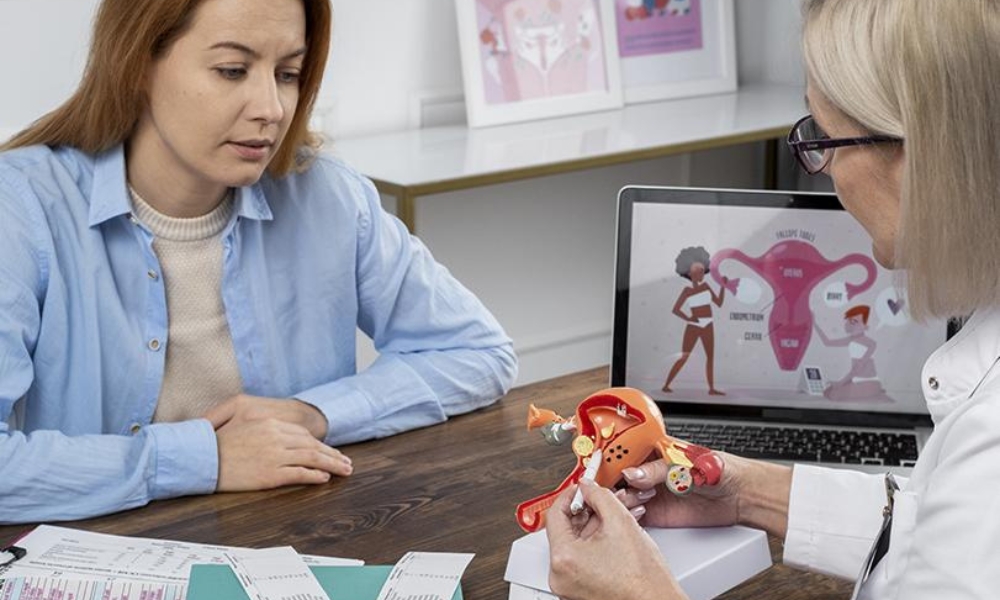
The immediate symptoms of surgical menopause often receive the most attention, but estrogen also plays an important role in protecting long-term health. When estrogen levels decline suddenly, certain health risks may gradually increase over time, making ongoing medical care especially important.
Bone Health
Estrogen helps maintain healthy bone remodeling by balancing the processes of bone formation and bone breakdown. After surgical menopause, bones may lose density more quickly, increasing the risk of osteopenia and osteoporosis.
Maintaining adequate calcium and vitamin D intake, participating in regular weight-bearing exercise, and following your healthcare provider’s recommendations for bone density screening can help support long-term skeletal health.
Heart and Blood Vessel Health
Estrogen also influences cardiovascular health. Changes in cholesterol levels, blood vessel function, and metabolism may gradually occur after menopause. Although lifestyle habits remain extremely important, regular medical follow-up allows your provider to monitor blood pressure, cholesterol, blood sugar, and other cardiovascular risk factors.
Bladder and Pelvic Health
Reduced estrogen affects tissues throughout the lower urinary tract. Some women develop urinary urgency, frequent urination, bladder irritation, or recurrent urinary tract infections after surgical menopause.
Others may notice pelvic floor changes or worsening urinary leakage, particularly if they had underlying bladder concerns before surgery. Early evaluation often leads to more effective symptom management.
Brain Health and Cognitive Function
Many women report temporary difficulty concentrating, forgetfulness, or “brain fog” during the months following surgical menopause. These changes may be influenced by hormonal fluctuations, sleep disruption, stress, and the physical recovery process.
Although these symptoms often improve over time, maintaining healthy sleep habits, regular exercise, mental stimulation, and ongoing communication with your healthcare provider can support cognitive well-being.
How Symptoms Following Surgical Menopause Are Evaluated
Every woman’s recovery is unique, so evaluating symptoms involves much more than confirming that the ovaries were removed. Your healthcare provider will carefully assess how hormone changes are affecting your overall health, quality of life, and recovery.
Reviewing Your Medical History
Your provider will ask about the type of surgery you had, when it was performed, your age, current symptoms, previous medical conditions, medications, family history, and any history of breast cancer, blood clots, cardiovascular disease, or osteoporosis.
Understanding the reason for surgery also helps guide treatment recommendations, particularly when considering hormone replacement therapy.
Physical and Pelvic Examination
A comprehensive physical examination may include evaluation of your recovery from surgery, pelvic tissues, bladder health, vaginal health, and overall well-being.
If vaginal dryness, discomfort during intercourse, urinary urgency, or pelvic pain develops, a pelvic examination can help identify contributing factors and determine the most appropriate treatment.
Laboratory Testing
Routine hormone testing is not always necessary after surgical menopause because hormone levels are expected to decline after removal of both ovaries. However, blood tests may be recommended to evaluate cholesterol, blood sugar, thyroid function, vitamin D, or other health concerns depending on your symptoms and medical history.
Additional testing may also be recommended if symptoms suggest another medical condition unrelated to menopause.
Bone Health Assessment
Women who undergo surgical menopause at a younger age may benefit from periodic bone density testing to monitor for early bone loss. Identifying changes early allows preventive strategies to begin before fractures occur.
Treatment Options for Symptoms Following Surgical Menopause
The goal of treatment is to reduce symptoms, support long-term health, and improve overall quality of life. Because each woman’s medical history is different, treatment should always be individualized rather than following a one-size-fits-all approach.
Hormone Replacement Therapy (HRT)
For many healthy women without specific contraindications, hormone replacement therapy is one of the most effective treatments for symptoms following surgical menopause.
HRT may significantly reduce hot flashes, night sweats, vaginal dryness, sleep disturbances, and some urinary symptoms while also helping support bone health during the years following surgery.
If you’re considering treatment, discussing personalized hormone replacement therapy with an experienced provider can help determine whether it’s appropriate based on your medical history and personal goals.
Non-Hormonal Treatment Options
Not every woman is a candidate for hormone therapy. Depending on your health history, non-hormonal medications may help reduce hot flashes, improve sleep, or manage mood changes.
Lubricants and vaginal moisturizers may also improve comfort for women experiencing vaginal dryness or discomfort during intimacy.
Pelvic Floor Physical Therapy
Women experiencing bladder symptoms, pelvic discomfort, or changes in pelvic floor function may benefit from specialized pelvic floor rehabilitation.
Individualized pelvic floor physical therapy can improve muscle coordination, bladder control, pelvic support, and overall comfort following surgery.
Lifestyle Support
Healthy lifestyle habits remain an important part of symptom management. Regular exercise, nutritious meals, stress reduction, consistent sleep schedules, smoking cessation, and maintaining a healthy weight all contribute to better overall health during surgical menopause.
Small daily habits often work together with medical treatments to provide meaningful long-term improvements.
Recovering Emotionally After Surgical Menopause
Physical healing after surgery is only one part of recovery. Many women also need time to adjust emotionally to the sudden hormonal changes and, for some, the unexpected transition into menopause.
It’s common to experience a wide range of emotions, including relief that surgery addressed a serious medical condition, frustration over new symptoms, anxiety about long-term health, or sadness related to fertility or changing life stages.
Talking openly with your healthcare provider, family members, trusted friends, or a mental health professional can help normalize these feelings and provide valuable support throughout recovery.
Remember that emotional recovery deserves the same attention as physical healing. Addressing both together often leads to better long-term well-being.
When Should You Contact Your Doctor After Surgical Menopause?
While many menopausal symptoms are expected after the removal of both ovaries, it’s important to remember that not every new symptom should automatically be attributed to hormone changes. Some symptoms are a normal part of recovery, while others may signal complications or conditions that require medical attention.
You should contact your healthcare provider if hot flashes, night sweats, sleep disturbances, mood changes, vaginal dryness, urinary symptoms, or pelvic discomfort become severe enough to interfere with your daily activities or quality of life. Persistent symptoms often improve with individualized treatment, and there’s no benefit to simply “waiting it out” if you’re struggling.
Seek prompt medical attention if you develop severe pelvic pain, heavy vaginal bleeding after surgery, fever, chills, redness or drainage from your incision, chest pain, difficulty breathing, sudden leg swelling, or any other symptoms that concern you. These may indicate complications unrelated to menopause and should be evaluated without delay.
Routine follow-up visits are also an important part of recovery. Even if you’re feeling well, ongoing monitoring allows your healthcare provider to assess your overall health, discuss symptom management, and adjust treatment recommendations as your body continues to adapt.
Supporting Your Health After Surgical Menopause
Although surgical menopause cannot be prevented once both ovaries have been removed, there are many proactive steps women can take to support their health during this transition. Focusing on overall wellness helps reduce the impact of symptoms while protecting long-term health.
A balanced diet rich in calcium, vitamin D, lean protein, fruits, vegetables, and whole grains supports bone strength, muscle health, and cardiovascular wellness. Regular weight-bearing exercise, such as walking or resistance training, further helps maintain bone density and improve overall fitness.
Quality sleep is equally important. Establishing a consistent bedtime routine, limiting caffeine later in the day, keeping the bedroom cool, and discussing persistent sleep problems with your provider can improve both energy levels and emotional well-being.
Women who smoke are encouraged to quit, as smoking may worsen menopausal symptoms while increasing the risk of heart disease, osteoporosis, and several other chronic health conditions. Limiting alcohol consumption and maintaining a healthy weight also contribute to better long-term outcomes.
Perhaps most importantly, maintain regular follow-up appointments with your healthcare provider. Surgical menopause is not a one-time event but an ongoing transition that benefits from personalized care and periodic reassessment.
How Surgical Menopause Differs From Natural Menopause
Although both surgical and natural menopause result in lower estrogen levels, the way they occur is quite different. Understanding these differences helps explain why women often describe surgical menopause as feeling more sudden and intense.
Natural menopause usually begins with perimenopause, a gradual transition that may last several years. During this time, hormone levels fluctuate before eventually declining. Women often experience symptoms that come and go as their bodies slowly adapt.
In contrast, surgical menopause begins immediately after both ovaries are removed. Hormone production decreases abruptly, leaving little time for the body to adjust. Because of this sudden change, symptoms such as hot flashes, night sweats, vaginal dryness, sleep disturbances, and mood changes may appear quickly and feel more pronounced.
The age at which menopause occurs also matters. Women who undergo surgical menopause before the average age of natural menopause may face a longer period of low estrogen exposure, making long-term management especially important for protecting bone, cardiovascular, and pelvic health.
Living Well After Surgical Menopause
Although the early weeks after surgery can feel challenging, many women find that symptoms become much more manageable with appropriate treatment, healthy lifestyle habits, and ongoing medical support. Recovery is a gradual process, and it’s important to give yourself time to heal both physically and emotionally.
Listening to your body, staying active within your provider’s recommendations, prioritizing sleep, eating a nutritious diet, and maintaining open communication with your healthcare team all contribute to successful long-term recovery.
Every woman’s journey through surgical menopause is unique. Rather than comparing your experience to someone else’s, focus on working with your provider to develop a treatment plan that addresses your specific symptoms, health history, and personal goals.
With the right care, many women regain energy, improve sleep, enjoy comfortable intimacy again, and return to the activities they value most.
Comprehensive Surgical Menopause Care in Katy, TX
If you’re experiencing symptoms following surgical menopause, you don’t have to manage them alone. Sudden hormonal changes can affect nearly every aspect of your health, but personalized evaluation and evidence-based treatment can make a meaningful difference in how you feel today and in the years ahead.
At Katy Urogynecologist, comprehensive women’s healthcare focuses on treating the whole person—not just individual symptoms. Whether you’re dealing with hot flashes, night sweats, vaginal dryness, bladder concerns, pelvic discomfort, or questions about hormone replacement therapy, our team develops individualized care plans based on your health history and treatment goals.
We offer comprehensive women’s health treatments, personalized hormone management, and compassionate follow-up care to help women navigate surgical menopause with greater comfort and confidence.
If you’re ready to discuss your symptoms or explore treatment options, schedule an appointment with our experienced team. We proudly care for women throughout Katy, Houston, Sugar Land, Richmond, Cypress, Fulshear, and nearby Texas communities.
Frequently Asked Questions
What is surgical menopause?
Surgical menopause occurs when both ovaries are removed, causing estrogen and progesterone levels to decline suddenly. Unlike natural menopause, symptoms typically begin immediately or within a few days after surgery.
Are symptoms of surgical menopause worse than natural menopause?
They can be. Because hormone levels fall abruptly instead of gradually, many women experience more sudden or intense hot flashes, night sweats, sleep disturbances, mood changes, and vaginal dryness.
How long do symptoms following surgical menopause last?
The duration varies from woman to woman. Some symptoms improve over several months as the body adapts, while others may continue without treatment. Individualized management can significantly reduce symptom severity and improve quality of life.
Can hormone replacement therapy help after surgical menopause?
For many women who are appropriate candidates, hormone replacement therapy is one of the most effective treatments for managing menopausal symptoms while supporting bone and overall health. Your provider will determine whether HRT is suitable based on your medical history.
Will surgical menopause affect my bladder?
Yes, it can. Reduced estrogen may contribute to urinary urgency, frequent urination, bladder irritation, recurrent urinary tract infections, and changes in pelvic floor function.
Can I still have menopausal symptoms if I had a hysterectomy but kept my ovaries?
Usually not immediately. If one or both ovaries remain, they continue producing hormones. Surgical menopause specifically occurs when both ovaries are removed.
When should I call my doctor after surgery?
You should contact your healthcare provider if menopausal symptoms become severe, interfere with daily life, or if you develop fever, heavy bleeding, severe pain, chest pain, breathing difficulties, or signs of infection after surgery.
Can lifestyle changes really make a difference?
Yes. Regular exercise, nutritious eating, adequate sleep, stress management, smoking cessation, and maintaining a healthy weight can all support symptom management and improve long-term health after surgical menopause.
Final Thoughts
Surgical menopause represents a significant life transition that extends far beyond the operating room. While the sudden loss of ovarian hormones can lead to uncomfortable physical and emotional symptoms, understanding these changes is the first step toward taking control of your health.
The good news is that you don’t have to face these symptoms without support. Modern treatment options—including hormone therapy for appropriate candidates, non-hormonal therapies, pelvic floor rehabilitation, and healthy lifestyle strategies—can help reduce symptoms, protect long-term health, and restore quality of life.
If you’ve recently undergone surgery or are preparing for a procedure that may lead to surgical menopause, partnering with an experienced women’s health specialist can help you navigate this transition with confidence and personalized care.
Medical Disclaimer
This article is intended for educational purposes only and should not replace professional medical advice, diagnosis, or treatment. Every woman’s medical history and surgical experience is unique. If you experience severe menopausal symptoms, concerning postoperative changes, or have questions about hormone replacement therapy, consult a qualified healthcare provider for a comprehensive evaluation and individualized treatment plan.