
Many women experience vaginal dryness, burning, or irritation at some point in their lives, yet these symptoms often go unspoken. Some assume they’re simply part of getting older, while others feel embarrassed or worry that the symptoms might indicate an infection or another serious health problem. Unfortunately, delaying care can lead to ongoing discomfort, painful intimacy, disrupted daily activities, and unnecessary stress.
Although vaginal dryness is especially common during perimenopause and menopause, it can affect women of all ages. Hormonal changes after childbirth, breastfeeding, certain medications, cancer treatments, autoimmune conditions, and even chronic stress can all influence the health of vaginal tissues. In many cases, symptoms gradually worsen over time if the underlying cause isn’t addressed.
The encouraging news is that vaginal dryness, burning, and irritation are highly treatable. Whether your symptoms are caused by menopause, hormone changes, or another medical condition, understanding what’s happening in your body can help you find relief and improve your overall quality of life.
Important Note
Persistent vaginal dryness, burning, or irritation should never be ignored or accepted as a normal part of aging. While these symptoms are commonly linked to hormonal changes, they can also signal infections, skin conditions, or other health concerns. Seeking evaluation early often leads to more effective treatment and helps prevent ongoing discomfort or complications.
Table of Contents
- Understanding Vaginal Dryness, Burning, and Irritation
- Why Do These Symptoms Occur?
- Common Symptoms to Watch For
- How Menopause Affects Vaginal Health
- Other Possible Causes
- Who Is Most at Risk?
- Diagnosis
- Treatment Options
- When Should You See a Doctor?
- Prevention Tips
- Women’s Healthcare in Katy, TX
- Frequently Asked Questions
Understanding Vaginal Dryness, Burning, and Irritation
The vagina is naturally lined with healthy tissue that remains soft, flexible, and well-lubricated. This moisture isn’t simply for comfort—it plays an essential role in protecting the vaginal lining, maintaining a healthy balance of bacteria, supporting intimacy, and reducing friction during everyday activities.
When the vaginal tissues lose moisture, they often become thinner, less elastic, and more sensitive. As a result, women may begin noticing dryness, burning, itching, irritation, or discomfort that wasn’t present before. Some symptoms appear gradually over several months, while others seem to develop almost overnight after hormonal changes or medical treatments.
These changes don’t just affect intimacy. Many women experience discomfort while walking, exercising, sitting for extended periods, or even wearing certain types of clothing. Activities that were once routine can suddenly become uncomfortable, making everyday life more challenging.
Because these symptoms may overlap with infections or other gynecologic conditions, it’s important not to self-diagnose. Women experiencing persistent symptoms often benefit from comprehensive women’s health care in Katy to identify the underlying cause and determine the most appropriate treatment.
Why Do These Symptoms Occur?
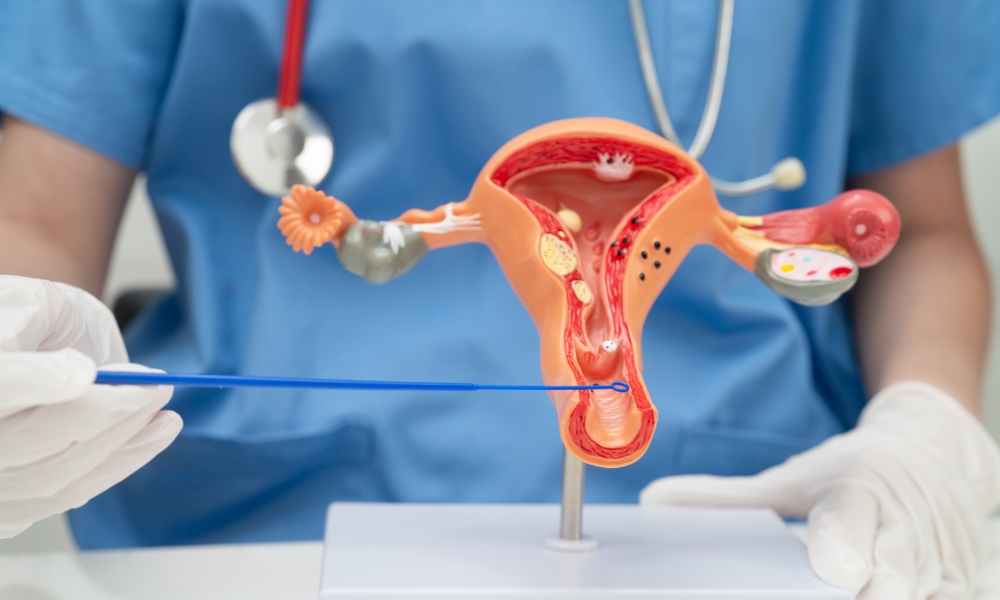
Healthy vaginal tissue depends heavily on estrogen. This hormone helps maintain blood flow, tissue thickness, elasticity, and natural lubrication throughout the vaginal canal.
When estrogen levels decline, the tissues gradually lose moisture and become thinner and more fragile. Healthcare providers often refer to these changes as part of the genitourinary syndrome of menopause (GSM), a condition that affects millions of women after menopause but can also occur during perimenopause or after certain medical treatments.
As the vaginal lining becomes thinner, even minor friction may cause irritation or a burning sensation. The natural pH of the vagina also changes, making the environment less acidic. This shift may alter the balance of healthy bacteria, increasing susceptibility to irritation or infections.
It’s important to remember that hormonal changes are only one possible explanation. Numerous medical conditions, medications, and lifestyle factors can produce similar symptoms, making a thorough evaluation valuable when symptoms persist.
Common Symptoms to Watch For
Every woman’s experience is unique. Some notice only occasional dryness, while others experience persistent discomfort that affects multiple aspects of daily life.
Common symptoms include:
- Persistent vaginal dryness
- Burning sensations
- Irritation or soreness
- Vaginal itching
- Pain during sexual intercourse
- Light bleeding after intercourse
- Reduced natural lubrication
- Feeling of tightness or discomfort
- Frequent urinary urgency
- Burning during urination without infection
Many women are surprised that urinary symptoms often accompany vaginal dryness. Because the bladder, urethra, and vaginal tissues all respond to estrogen, hormonal changes can affect the entire pelvic region rather than a single area.
Some women initially believe they have repeated urinary tract infections because of burning or urinary discomfort, only to discover that declining estrogen levels are contributing to their symptoms instead.
How Menopause Affects Vaginal Health
Menopause is one of the leading causes of vaginal dryness and irritation because estrogen production decreases significantly after the ovaries stop releasing eggs.
These hormonal changes don’t happen overnight. During perimenopause, estrogen levels fluctuate unpredictably, causing symptoms that may come and go for months or even years. After menopause, estrogen levels remain consistently lower, allowing symptoms to gradually become more noticeable if left untreated.
Many women first notice discomfort during intimacy because natural lubrication decreases. Over time, however, symptoms often begin affecting everyday activities as well. Sitting for long periods, cycling, exercising, or simply wearing fitted clothing may become uncomfortable due to increased tissue sensitivity.
In addition to dryness, declining estrogen may contribute to reduced elasticity, slower healing, increased susceptibility to irritation, and changes in the natural vaginal microbiome.
Women whose symptoms interfere with comfort or intimacy may benefit from discussing individualized options such as hormone replacement therapy or other treatments designed to restore vaginal tissue health and improve overall quality of life.
Other Possible Causes of Vaginal Dryness, Burning, or Irritation
Although menopause is a common explanation, healthcare providers carefully evaluate other possible causes before assuming hormonal changes are solely responsible.
Breastfeeding and Postpartum Hormonal Changes
After childbirth, estrogen levels naturally decline—particularly during breastfeeding. Many new mothers experience temporary vaginal dryness during this period, even if they are much younger than the typical age of menopause.
Certain Medications
Several medications may reduce natural lubrication or contribute to vaginal irritation. These include certain allergy medications, antidepressants, hormonal treatments, chemotherapy drugs, and medications used to treat breast cancer.
If symptoms begin after starting a new prescription medication, discussing possible alternatives with your healthcare provider may be appropriate.
Autoimmune Disorders
Certain autoimmune diseases, including Sjögren’s syndrome, reduce moisture production throughout the body. Women with these conditions may notice dry eyes, dry mouth, and vaginal dryness occurring together.
Skin Conditions
Chronic skin disorders affecting the vulva, such as lichen sclerosus or eczema, can produce burning, irritation, itching, and discomfort that may resemble symptoms caused by menopause.
Vaginal Infections
Yeast infections, bacterial vaginosis, and certain sexually transmitted infections can also cause burning or irritation. Unlike hormonal dryness, infections are often accompanied by abnormal discharge, odor, or more sudden symptom onset.
Because these conditions require entirely different treatments, obtaining an accurate diagnosis is essential before beginning any therapy.
Who Is Most at Risk for Vaginal Dryness, Burning, or Irritation?
Although vaginal dryness is often associated with menopause, it can affect women at many different stages of life. Understanding the factors that increase your risk can help you recognize symptoms earlier and seek appropriate care before they begin affecting your daily routine or intimate relationships.
The most common risk factor is declining estrogen. Women entering perimenopause or menopause naturally produce less estrogen, making vaginal dryness increasingly common with age. However, estrogen levels can also decrease after childbirth, during breastfeeding, or following surgical removal of the ovaries.
Certain medical treatments may accelerate hormonal changes. Chemotherapy, radiation therapy involving the pelvic area, and medications used to treat hormone-sensitive breast cancer can all reduce estrogen levels and contribute to vaginal discomfort.
Women with autoimmune conditions, particularly those affecting moisture-producing glands, may also experience persistent vaginal dryness. In addition, smoking has been associated with reduced blood flow and earlier menopause, potentially increasing the likelihood of developing symptoms sooner.
Some lifestyle factors may contribute as well. Chronic stress, inadequate hydration, harsh soaps, scented feminine hygiene products, and frequent vaginal douching can disrupt the natural balance of healthy vaginal tissues and increase irritation.
Even women who have not yet reached menopause may notice symptoms during periods of significant hormonal fluctuation. Recognizing that vaginal dryness is not exclusively a menopausal condition helps ensure women of all ages receive appropriate evaluation when symptoms develop.
Important Note
Many women quietly tolerate vaginal dryness or burning for months because they feel embarrassed or believe it’s simply part of aging. In reality, these symptoms are extremely common and highly treatable. Early evaluation not only improves comfort but may also identify hormone changes, infections, skin conditions, or other medical concerns before symptoms become more severe.

How Doctors Diagnose Vaginal Dryness and Irritation
Because vaginal dryness, burning, and irritation can have many different causes, healthcare providers take a comprehensive approach to diagnosis rather than assuming every symptom is caused by menopause.
Your appointment will typically begin with a detailed discussion about your symptoms. Your provider may ask when the symptoms started, whether they occur continuously or only during certain activities, and whether they’re associated with sexual intercourse, urination, exercise, or specific products.
Understanding your menstrual history is equally important. Irregular periods, recent childbirth, breastfeeding, menopause, or previous gynecologic surgeries may all provide valuable clues regarding hormonal changes.
Medical History
Your healthcare provider may ask questions such as:
- When did the dryness or burning begin?
- Are symptoms constant or intermittent?
- Have you noticed pain during intercourse?
- Have you recently started new medications?
- Are you experiencing urinary symptoms?
- Have your menstrual cycles changed?
- Have you noticed abnormal discharge or odor?
- Have you previously been treated for vaginal infections?
These questions help distinguish hormone-related changes from infections, allergic reactions, dermatologic conditions, or other gynecologic disorders.
Pelvic Examination
A gentle pelvic examination allows your healthcare provider to evaluate the health of the vaginal tissues. During the examination, they may look for thinning of the vaginal lining, decreased moisture, inflammation, skin changes, signs of infection, or other abnormalities.
Many women feel anxious about pelvic exams, especially when symptoms involve burning or irritation. Fortunately, experienced specialists understand these concerns and perform examinations as gently and comfortably as possible.
If additional pelvic floor symptoms are present, such as bladder discomfort or urinary leakage, evaluation by a specialist in urogynecology in Katy can provide a more complete assessment of your pelvic health.
Laboratory Testing
Laboratory tests aren’t necessary for every patient, but they may be recommended when infection or another medical condition is suspected.
Depending on your symptoms, your healthcare provider may obtain vaginal cultures, evaluate vaginal pH, perform microscopic examination of vaginal secretions, or recommend blood tests to assess hormone levels or other underlying health conditions.
The goal is to accurately identify the cause so treatment addresses the underlying problem rather than simply masking symptoms.
Treatment Options for Vaginal Dryness, Burning, and Irritation
The best treatment depends on what’s causing your symptoms. Some women improve with simple lifestyle changes, while others benefit from hormone therapy, prescription medications, or treatment of an underlying medical condition.
Vaginal Moisturizers and Lubricants
For women with mild symptoms, over-the-counter vaginal moisturizers may help restore moisture and improve everyday comfort. Unlike lubricants, which are typically used during intimacy, moisturizers provide longer-lasting hydration and may be used regularly throughout the week.
Water-based lubricants can also reduce discomfort during sexual activity by minimizing friction and protecting sensitive tissues.
Although these products improve symptoms, they do not address declining estrogen levels when hormonal changes are the underlying cause.
Hormone Replacement Therapy
When vaginal dryness results from menopause or significant estrogen deficiency, hormone replacement therapy may provide meaningful relief. By restoring estrogen levels, treatment can improve tissue thickness, elasticity, blood flow, and natural lubrication while reducing burning and irritation.
Treatment is highly individualized. Your physician will consider your age, personal health history, family history, cardiovascular risk, and symptom severity before recommending hormone therapy.
Women exploring treatment options often benefit from discussing personalized hormone replacement therapy in Katy to determine which approach best fits their health needs.
Local Vaginal Estrogen Therapy
Some women experience symptoms that are primarily limited to the vaginal tissues rather than affecting the entire body. In these situations, localized vaginal estrogen products—including creams, tablets, or rings—may effectively restore moisture while exposing the rest of the body to very small amounts of estrogen.
Your healthcare provider can explain whether local treatment or systemic hormone therapy is more appropriate based on your symptoms and medical history.
Energy-Based Vaginal Rejuvenation
For selected patients, non-surgical therapies designed to improve vaginal tissue health may be discussed as part of a comprehensive treatment plan.
Depending on individual needs, options such as ThermiVa® vaginal rejuvenation may be considered to help improve vaginal comfort, tissue health, and overall quality of life. Your physician can determine whether these treatments are appropriate for your specific condition.
Treating Underlying Medical Conditions
If symptoms are caused by yeast infections, bacterial vaginosis, skin disorders, allergic reactions, autoimmune diseases, or medication side effects, treatment focuses on addressing the underlying problem rather than simply relieving dryness.
This personalized approach helps prevent recurring symptoms while improving long-term vaginal health.
Healthy Daily Habits
Simple daily habits can also support vaginal comfort. Using gentle, fragrance-free cleansers around the vulva, avoiding douching, wearing breathable cotton underwear, staying well hydrated, and maintaining regular sexual activity when appropriate may all contribute to healthier vaginal tissues.
While these habits won’t reverse significant hormonal changes, they often complement medical treatment and improve overall comfort.
How Vaginal Dryness Can Affect Daily Life and Emotional Well-Being
Although vaginal dryness is often discussed primarily in relation to intimacy, its effects extend well beyond the bedroom. Many women notice discomfort during routine daily activities such as walking, exercising, sitting for extended periods, cycling, or wearing fitted clothing.
Persistent irritation can gradually influence emotional health as well. Women frequently report frustration, embarrassment, anxiety, or reduced self-confidence when symptoms become chronic. Some begin avoiding exercise, travel, or social activities because they’re worried discomfort will worsen throughout the day.
Intimate relationships may also be affected. Pain during intercourse can create understandable anxiety, causing some women to avoid intimacy altogether. This often leads to emotional strain for both partners, even though effective treatments are available.
It’s important to remember that these symptoms are extremely common and are not simply something women have to tolerate. Addressing the underlying cause often improves comfort, confidence, relationships, and overall quality of life.
When Should You See a Doctor for Vaginal Dryness, Burning, or Irritation?
Occasional mild vaginal dryness may not always indicate a serious problem, particularly during temporary hormonal changes such as breastfeeding or the early stages of perimenopause. However, symptoms that persist, worsen over time, or begin interfering with your daily life should never be ignored.
You should schedule an appointment if vaginal dryness, burning, or irritation lasts for more than a few weeks, repeatedly returns after treatment, or causes discomfort during normal daily activities. Pain during sexual intercourse, bleeding after intercourse, or persistent urinary symptoms also deserve medical evaluation.
Many women hesitate to seek care because they assume these symptoms are simply part of aging. In reality, several effective treatment options are available, and identifying the underlying cause often provides significant relief.
Prompt medical evaluation is especially important if your symptoms occur alongside unusual vaginal discharge, a strong odor, sores, fever, pelvic pain, or unexplained vaginal bleeding. These symptoms may indicate an infection or another condition requiring immediate treatment.
Seeking care early often prevents symptoms from progressing and allows treatment to begin before discomfort significantly affects your physical or emotional well-being.
Can Vaginal Dryness and Irritation Be Prevented?
Not every case of vaginal dryness can be prevented, especially when symptoms result from the natural hormonal changes associated with menopause. However, several healthy habits may reduce irritation, support vaginal tissue health, and improve overall comfort.
One of the simplest steps is avoiding products that disrupt the natural vaginal environment. Scented soaps, bubble baths, douches, feminine sprays, and heavily fragranced wipes can irritate sensitive tissues and alter the normal vaginal pH.
Choosing breathable cotton underwear, avoiding overly tight clothing for extended periods, and changing out of damp exercise clothing promptly may also help reduce irritation.
Staying physically active supports healthy blood circulation throughout the body, including the pelvic region. Maintaining adequate hydration and following a nutritious diet rich in fruits, vegetables, healthy fats, and lean proteins also contributes to overall tissue health.
For sexually active women, regular intimacy may help maintain blood flow and tissue flexibility. When needed, high-quality lubricants can improve comfort and reduce friction.
Women entering menopause should discuss new vaginal symptoms with their healthcare provider rather than waiting for discomfort to become severe. Early treatment often leads to better long-term outcomes.
The Connection Between Vaginal Dryness and Sexual Health
One of the most significant yet least discussed effects of vaginal dryness is its impact on sexual health. As vaginal tissues become thinner and less lubricated, friction during intercourse can lead to discomfort, burning, or pain. For some women, this discomfort becomes severe enough that they begin avoiding intimacy altogether.
This change is not simply physical. Pain during intimacy can affect confidence, emotional connection, and communication within relationships. Many couples mistakenly believe the problem reflects a lack of interest or attraction when the underlying issue is actually a treatable medical condition.
Open conversations with both your healthcare provider and your partner can make a meaningful difference. Modern treatments—including moisturizers, lubricants, localized estrogen therapy, hormone replacement therapy, and selected non-surgical procedures—have helped many women regain comfort and confidence.
If you’re also experiencing discomfort during intercourse, decreased sensation, or changes in sexual function, specialized care for female sexual dysfunction may be appropriate as part of a comprehensive treatment plan.
How Hormonal Changes Affect the Entire Pelvic Region
Many women are surprised to learn that declining estrogen affects far more than the vaginal tissues alone. The bladder, urethra, pelvic floor muscles, and surrounding connective tissues all respond to hormonal changes.
As estrogen levels decrease, women may notice increased urinary urgency, burning during urination despite negative urine cultures, more frequent urinary tract infections, or mild urinary leakage. These symptoms often occur alongside vaginal dryness because the same hormonal changes influence multiple structures within the pelvis.
Addressing hormone-related symptoms early may help improve overall pelvic health rather than focusing on only one symptom at a time. Comprehensive evaluation allows healthcare providers to develop personalized treatment strategies that consider the entire pelvic floor.
This whole-person approach is especially valuable for women experiencing multiple menopausal symptoms simultaneously, such as vaginal dryness, hot flashes, urinary symptoms, sleep disturbances, and changes in sexual function.
Expert Women’s Healthcare for Vaginal Dryness in Katy, TX
You don’t have to accept vaginal dryness, burning, or irritation as an unavoidable part of menopause or aging. These symptoms are extremely common, but they are also highly treatable when the underlying cause is properly identified.
At Katy Urogynecologist, women receive individualized care focused on improving comfort, restoring vaginal health, and addressing the hormonal and pelvic conditions contributing to their symptoms. Treatment plans are tailored to each woman’s medical history, lifestyle, and long-term health goals.
Whether you’re exploring hormone therapy, localized treatments, or other advanced options, comprehensive women’s health treatments are available to help improve your quality of life. If you’re ready to discuss persistent vaginal dryness or other menopausal symptoms, you can conveniently request an appointment for a personalized evaluation.
Women throughout Katy, Houston, Sugar Land, Richmond, Cypress, Fulshear, and surrounding communities trust experienced urogynecologic care to help them navigate hormonal changes with confidence and achieve lasting symptom relief.
Frequently Asked Questions
Is vaginal dryness always caused by menopause?
No. Although menopause is one of the most common causes, vaginal dryness can also result from breastfeeding, postpartum hormonal changes, certain medications, autoimmune disorders, cancer treatments, stress, or other medical conditions.
Can vaginal dryness cause burning?
Yes. When vaginal tissues lose moisture and become thinner, friction increases, making the tissues more sensitive. This often causes burning, irritation, soreness, or discomfort during everyday activities or intimacy.
Can hormone replacement therapy improve vaginal dryness?
For many women with menopause-related symptoms, hormone replacement therapy effectively restores estrogen levels, improving vaginal moisture, elasticity, and overall tissue health. Your healthcare provider can determine whether it’s appropriate for your medical history.
What is the difference between vaginal dryness and a yeast infection?
Vaginal dryness usually causes persistent dryness, irritation, and discomfort without the thick discharge commonly associated with yeast infections. However, symptoms may overlap, making professional evaluation important when symptoms persist.
Can vaginal dryness affect urination?
Yes. Hormonal changes affecting the vaginal tissues often influence the bladder and urethra as well, contributing to urinary urgency, burning during urination, or recurrent urinary tract infections.
Should I avoid intimacy if I have vaginal dryness?
Not necessarily. Many women experience significant improvement by using lubricants, moisturizers, hormone therapy, or other treatments recommended by their healthcare provider. Addressing the underlying cause often restores comfort during intimacy.
When should I seek immediate medical attention?
Seek prompt medical evaluation if vaginal dryness or irritation is accompanied by severe pelvic pain, fever, unusual bleeding, foul-smelling discharge, sores, or symptoms that worsen rapidly.
Can vaginal dryness improve without treatment?
Temporary dryness related to breastfeeding or medication changes may improve over time. However, menopause-related symptoms often persist or gradually worsen without appropriate treatment, making early evaluation beneficial.
Final Thoughts
Vaginal dryness, burning, and irritation are among the most common concerns women experience during hormonal transitions, yet they remain some of the least discussed. Whether your symptoms are related to menopause, postpartum hormonal changes, medications, or another underlying condition, you don’t have to accept ongoing discomfort as a normal part of life.
With today’s personalized treatment options—including lifestyle modifications, vaginal moisturizers, localized estrogen therapy, hormone replacement therapy, and advanced non-surgical treatments—many women experience significant relief and improved quality of life. Seeking care early allows your healthcare provider to identify the underlying cause, recommend the most appropriate treatment, and help you regain comfort and confidence.
Medical Disclaimer
This article is intended for educational purposes only and should not replace professional medical advice, diagnosis, or treatment. Every woman’s symptoms and medical history are unique. If you experience persistent vaginal dryness, burning, irritation, pain, abnormal bleeding, or other concerning symptoms, consult a qualified healthcare provider for a comprehensive evaluation and personalized treatment recommendations.