A diagnosis of fibroids often raises immediate questions about treatment, surgery, and long-term health. Many women begin searching specifically for 7 foods for shrinking fibroids, hoping that dietary changes might help reduce symptoms or slow fibroid growth naturally. One of the most common concerns is whether certain foods can actually make a meaningful difference.
While food alone does not eliminate fibroids, research suggests that nutrition plays an important role in hormone balance, inflammation, and overall uterine health. Understanding the connection between diet and fibroids can empower women to support their treatment plan in a safe and informed way.
Exploring 7 foods for shrinking fibroids can be a helpful starting point for women looking to take a proactive and balanced approach to their pelvic health.
Understanding Fibroids and Hormones
Uterine fibroids are noncancerous growths that develop in the muscular wall of the uterus. They are strongly influenced by hormones, particularly estrogen and progesterone.
Fibroids may grow when:
- Estrogen levels are elevated
- Hormone metabolism is impaired
- Inflammation is present
- Insulin resistance develops
Because diet affects hormone regulation and inflammation, certain foods that help shrink fibroids may support overall symptom management.
It is important to understand that diet complements medical care but does not replace professional treatment when symptoms are severe.
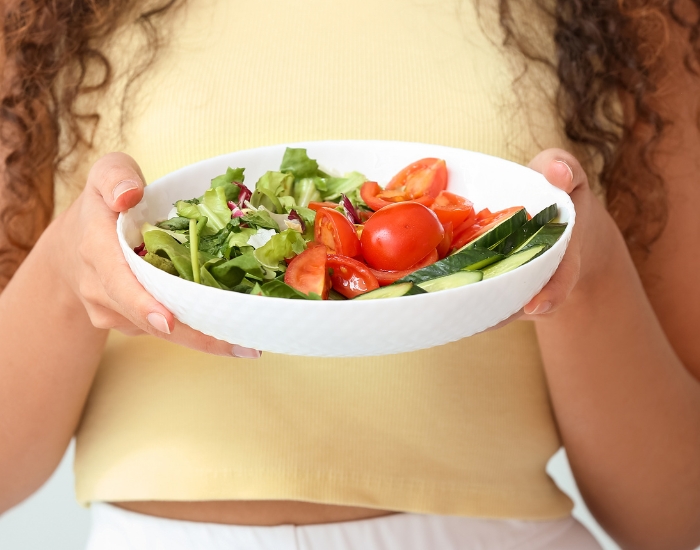
7 Foods for Shrinking Fibroids
1. Leafy Green Vegetables
Spinach, kale, Swiss chard, and collard greens are rich in:
- Iron
- Magnesium
- Fiber
- Antioxidants
Heavy menstrual bleeding from fibroids can cause anemia. Leafy greens help replenish iron levels while also supporting hormone detoxification through improved liver function.
Fiber also assists in eliminating excess estrogen from the body, which may help slow fibroid growth.
2. Cruciferous Vegetables
Broccoli, cauliflower, Brussels sprouts, and cabbage contain compounds that support estrogen metabolism.
These vegetables contain:
- Indole-3-carbinol
- Sulforaphane
- Fiber
They help the liver process and eliminate excess estrogen, which is important because fibroids are estrogen-sensitive.
Including cruciferous vegetables in a fibroid diet may help maintain better hormonal balance.
3. Berries
Strawberries, blueberries, raspberries, and blackberries are rich in antioxidants.
Antioxidants help:
- Reduce inflammation
- Protect cells from oxidative stress
- Support immune health
Chronic inflammation may contribute to fibroid growth. Berries provide natural anti-inflammatory benefits that support uterine health.
4. Fatty Fish
Salmon, sardines, and mackerel are high in omega-3 fatty acids.
Omega-3s help:
- Reduce inflammation
- Improve hormone regulation
- Support cardiovascular health
Inflammation is often elevated in women with fibroids. Including fatty fish may reduce inflammatory markers that influence fibroid development.
5. Beans and Legumes
Lentils, chickpeas, black beans, and kidney beans are rich in fiber and plant-based protein.
Fiber supports:
- Healthy digestion
- Estrogen elimination
- Stable blood sugar levels
High blood sugar and insulin resistance may influence hormone imbalance. A diet rich in legumes supports metabolic health.
6. Citrus Fruits
Oranges, lemons, and grapefruits provide vitamin C and antioxidants.
Vitamin C supports:
- Immune health
- Collagen production
- Reduced inflammation
Some studies suggest that adequate vitamin C intake may be associated with lower fibroid risk.
7. Green Tea
Green tea contains epigallocatechin gallate (EGCG), a powerful antioxidant.
Research suggests green tea extract may:
- Reduce fibroid cell growth
- Decrease inflammation
- Improve symptom severity
While green tea alone does not eliminate fibroids, it may complement medical treatment.
Foods to Limit with Fibroids
Equally important in a fibroid diet is reducing foods that may worsen hormone imbalance.
Consider limiting:
- Red and processed meats
- High-sugar foods
- Refined carbohydrates
- Excess alcohol
- Highly processed foods
These foods may contribute to inflammation, weight gain, and elevated estrogen levels.
Can Diet Actually Shrink Fibroids?
The phrase 7 foods for shrinking fibroids suggests that food alone can eliminate fibroids. In reality:
- Diet may help slow growth
- Nutrition may reduce inflammation
- Healthy eating supports hormonal balance
- Symptoms may improve
However, diet rarely causes large fibroids to disappear completely.
Women experiencing severe bleeding, pain, or pressure should seek evaluation from a specialist.
When Natural Management Is Not Enough
Lifestyle and dietary changes are supportive tools, but medical care is important when:
- Heavy bleeding persists
- Anemia develops
- Pelvic pain increases
- Fibroids grow rapidly
- Fertility is affected
A personalized evaluation determines whether medical or minimally invasive treatment is necessary.
Additional Natural Ways to Manage Fibroids
Beyond diet, natural ways to manage fibroids include:
- Maintaining healthy body weight
- Regular physical activity
- Stress reduction
- Adequate sleep
- Vitamin D optimization
These measures support overall hormonal balance.
Medical Treatment Options
If symptoms worsen despite dietary changes, treatment options may include:
- Hormonal medication
- Tranexamic acid for bleeding
- Hormonal IUD
- Uterine artery embolization
- Radiofrequency ablation
- Myomectomy
A Balanced Perspective on Diet and Fibroids
Nutrition plays an important role in overall health. Following a fibroid diet rich in anti-inflammatory and hormone-supportive foods may help reduce symptom severity and support treatment outcomes.
However, it is essential to avoid unrealistic expectations. Large or symptomatic fibroids often require medical intervention.
Combining healthy eating with professional care offers the most effective long-term approach.
When to See a Specialist in Katy or Greater Houston
Consultation is recommended if:
- Periods are excessively heavy
- Pelvic pressure increases
- Fertility concerns arise
- Abdominal bloating worsens
- Symptoms interfere with daily life
A Katy urogynecologist can provide comprehensive evaluation and discuss both natural and medical treatment options.
Conclusion
Exploring 7 foods for shrinking fibroids can empower women to take an active role in managing their health. Leafy greens, cruciferous vegetables, berries, fatty fish, legumes, citrus fruits, and green tea all support hormone balance and reduce inflammation.
While diet alone rarely eliminates fibroids, it can complement medical treatment and improve overall well-being. Women experiencing persistent symptoms should seek professional evaluation to determine the safest and most effective care plan.
A balanced approach that combines nutrition, lifestyle adjustments, and expert medical guidance offers the best path forward for managing fibroids and restoring quality of life.
Medical Disclaimer: This content is for informational purposes only and does not constitute medical advice, diagnosis, or treatment. Always consult a qualified healthcare provider for personalized medical evaluation and care.