Heavy menstrual bleeding that suddenly becomes difficult to manage can be confusing and stressful. Many women notice their periods becoming unusually heavy, lasting longer than normal, or including thick blood clots that seem alarming. In some cases, the bleeding becomes so intense that it interferes with work, sleep, and everyday life.
A common underlying reason for this change is uterine fibroids. These are noncancerous growths that develop in or on the uterus and are one of the most frequent causes of abnormal menstrual bleeding in women of reproductive age.
Understanding why do fibroids cause heavy bleeding and clots helps explain what is happening inside the body and why symptoms may worsen over time if left untreated. While fibroids are usually not cancerous, they can significantly affect quality of life when symptoms become severe.
Many women silently struggle with heavy bleeding for months or even years, assuming it is normal. However, persistent heavy periods are often a sign that something deeper is affecting the uterus.
What Are Uterine Fibroids?
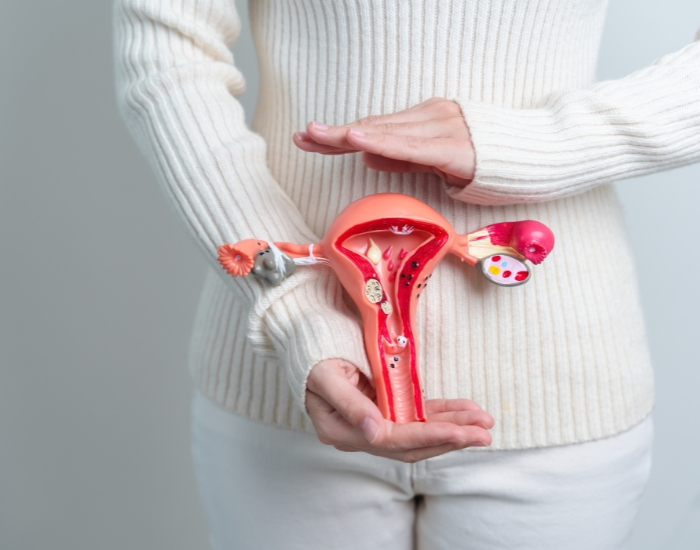
Uterine fibroids are growths made of muscle and fibrous tissue that form in the uterus. They can vary greatly in size, number, and location.
There are three main types:
- Intramural fibroids: Grow within the uterine wall
- Submucosal fibroids: Grow inside the uterine cavity and often cause heavy bleeding
- Subserosal fibroids: Grow on the outer surface of the uterus
Some fibroids remain small and symptom-free, while others grow large enough to distort the uterus and disrupt normal menstrual function.
Fibroids are influenced by hormones, especially estrogen and progesterone, which is why they often grow during reproductive years and may shrink after menopause.
Why Do Fibroids Cause Heavy Bleeding and Clots?
To understand why do fibroids cause heavy bleeding and clots, it is important to look at how fibroids affect the uterus on a structural and hormonal level.
Several mechanisms contribute to abnormal bleeding:
1. Increased Uterine Lining Surface
Fibroids, especially submucosal ones, increase the surface area of the uterine lining. When menstruation occurs, more tissue is shed than usual.
This leads to:
- Heavier menstrual flow
- Longer periods
- Increased blood volume loss
This is one of the most direct reasons behind fibroids heavy bleeding.
2. Disruption of Normal Uterine Contractions
The uterus normally contracts during menstruation to help compress blood vessels and control bleeding. Fibroids interfere with this natural process.
When contractions are weakened:
- Blood vessels remain open longer
- Bleeding becomes more intense
- Clots are more likely to form
This disruption is a key factor in abnormal menstrual patterns.
3. Abnormal Blood Vessel Formation
Fibroids stimulate the growth of extra blood vessels in the uterus. These vessels are often fragile and unstable.
As a result:
- They break easily during menstruation
- Bleeding becomes heavier
- Blood loss is more difficult to control
This contributes significantly to uterine fibroids symptoms involving heavy flow.
4. Hormonal Sensitivity
Fibroids are highly sensitive to estrogen and progesterone. These hormones can cause fibroids to grow and also affect the thickness of the uterine lining.
When hormone levels fluctuate:
- The lining becomes thicker than normal
- More blood is shed during periods
- Bleeding becomes irregular or excessive
Hormonal imbalance is often a hidden contributor to heavy periods.
5. Blood Pooling and Clot Formation
When bleeding is heavy, blood may not exit the uterus quickly. Instead, it pools and collects before being expelled.
This allows:
- Blood to clot inside the uterus
- Formation of visible clots during menstruation
- Heavier and more noticeable bleeding episodes
This is why many women report large or frequent clots during fibroid-related cycles.
Common Symptoms of Fibroid-Related Heavy Bleeding
Fibroids heavy bleeding often presents with multiple symptoms, not just increased flow.
Common signs include:
- Periods lasting longer than 7 days
- Soaking pads or tampons every 1–2 hours
- Large blood clots during menstruation
- Fatigue and weakness due to blood loss
- Dizziness or lightheadedness
- Pelvic pressure or fullness
- Lower abdominal discomfort
Some women may also develop anemia due to chronic blood loss.
Why Symptoms Often Worsen Over Time
Fibroids can grow slowly, and symptoms may gradually become more noticeable. Many women initially adapt to heavier periods without realizing the underlying cause is progressing.
Over time:
- Fibroids may increase in size
- Bleeding becomes more frequent
- Clots may become larger
- Fatigue becomes more severe
This is why early evaluation is important when symptoms first appear.
Risk Factors for Fibroids and Heavy Bleeding
Several factors increase the likelihood of developing fibroids:
- Hormonal changes (estrogen dominance)
- Family history of fibroids
- Age (most common in 30s and 40s)
- Obesity
- Early onset of menstruation
- Vitamin D deficiency (in some studies)
Understanding risk factors helps explain uterine fibroids symptoms in different women.
How Fibroids Are Diagnosed
A urogynecologist or gynecologist typically uses several methods to confirm fibroids:
- Pelvic examination
- Transvaginal ultrasound
- Saline infusion sonography
- MRI in complex cases
These tests help determine:
- Size of fibroids
- Location
- Impact on the uterus
Accurate diagnosis is essential for choosing the right fibroid bleeding treatment.
Fibroid Bleeding Treatment Options
Treatment depends on symptom severity, fibroid size, age, and fertility goals.
1. Medication-Based Treatments
These options help manage symptoms:
- Hormonal birth control
- Progesterone therapy
- Tranexamic acid to reduce bleeding
- Iron supplements for anemia
These treatments do not remove fibroids but help control bleeding.
2. Non-Surgical and Minimally Invasive Options
Modern treatments offer effective alternatives to surgery:
- Uterine artery embolization (shrinks fibroids by cutting blood supply)
- Radiofrequency ablation (uses heat to reduce fibroids)
- MRI-guided focused ultrasound
- Hormonal IUD placement
These options are often preferred for women who want uterus preservation.
3. Surgical Options (When Needed)
In more severe cases:
- Myomectomy (removes fibroids, preserves uterus)
- Hysterectomy (removal of uterus in severe or recurrent cases)
A specialist evaluates which option is most appropriate.
Myths About Fibroids and Heavy Bleeding
Many misconceptions exist:
Myth 1: Heavy periods are normal for all women
Not true. Excessive bleeding should always be evaluated.
Myth 2: Fibroids always require surgery
Many cases are managed without surgery.
Myth 3: Fibroids turn into cancer
Fibroids are almost always benign.
When to See a Specialist
Medical evaluation is recommended if:
- Heavy bleeding affects daily life
- Blood clots are frequent or large
- Fatigue or anemia develops
- Periods last longer than a week
- Pelvic pressure increases
A Katy urogynecologist can provide targeted evaluation and treatment.
Living With Fibroids: What Helps
While treatment is essential in many cases, symptom management can also help:
- Tracking menstrual cycles
- Maintaining iron-rich nutrition
- Staying hydrated
- Managing stress levels
- Regular medical follow-up
These steps support overall pelvic health.
Conclusion
Understanding why do fibroids cause heavy bleeding and clots helps women recognize that these symptoms are not random and often have a clear medical explanation. Fibroids affect the uterus by altering its structure, disrupting contractions, increasing blood vessel formation, and influencing hormone response.
These changes can lead to heavy periods, blood clots, fatigue, and a significant impact on daily life. The good news is that effective diagnostic tools and treatment options are widely available today.
From medication to minimally invasive procedures, many women find relief and regain control of their health with proper care. Early evaluation remains the key to preventing worsening symptoms and improving long-term outcomes.
Medical Disclaimer: This article is for informational purposes only and does not constitute medical advice, diagnosis, or treatment. Always consult a qualified healthcare provider for personalized medical evaluation and care.