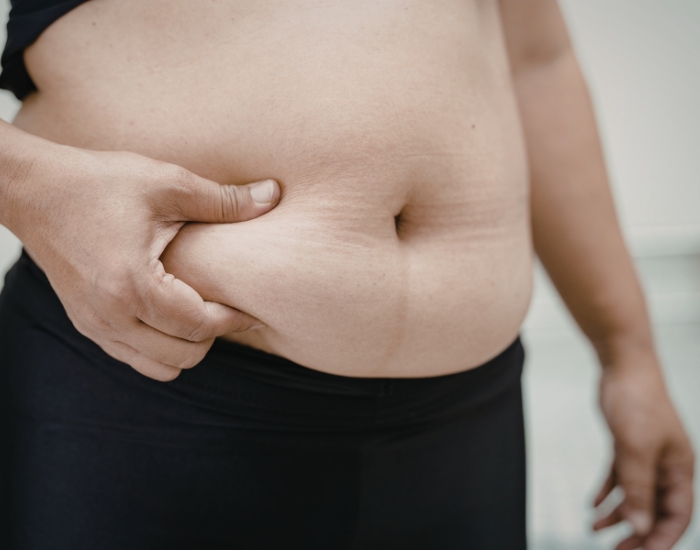
Many women experience sudden weight gain women often notice in their late 30s and 40s—even when their diet and exercise habits have not changed. Clothes may feel tighter. The number on the scale creeps up. Belly fat becomes more noticeable.
This shift can feel frustrating and discouraging, especially when traditional methods like calorie control and increased workouts no longer seem effective.
If you have been asking yourself, “Why am I gaining weight without eating more?” you are not alone. In many cases, unexplained weight changes are not simply about willpower or lifestyle. They may be linked to hormonal imbalance in women, particularly during perimenopause and menopause.
Understanding the hormonal connection is the first step toward long-term, sustainable solutions.
Table of Contents
- Understanding Sudden Weight Gain
- Why Weight Gain Happens After 40
- How Hormones Affect Fat Storage
- The Hormonal Link to Belly Fat
- Signs Your Sudden Weight Gain Is Hormonal
- Why Diet and Exercise May Stop Working
- Effective Treatment Options
- When to Seek Medical Evaluation
- Care Available in Katy and Greater Houston
- Experienced Care You Can Trust
- Final Thoughts
- FAQs
Understanding Sudden Weight Gain
Weight naturally fluctuates throughout life. However, sudden weight gain women experience—especially without major lifestyle changes—often signals an internal physiological shift.
Common patterns include:
- Rapid increase in abdominal fat
- Difficulty losing even a few pounds
- Slower metabolism
- Increased bloating
- Noticeable changes in body composition
- Loss of muscle tone
Many women describe feeling like their body has changed “overnight.” While the shift may feel sudden, it is often the result of gradual hormonal changes happening beneath the surface.
Why Weight Gain Happens After 40
As women approach midlife, the body undergoes significant metabolic and hormonal transitions. These changes influence how calories are burned, how fat is stored, and how muscle mass is maintained.
Key contributing factors include:
- Reduced resting metabolic rate
- Loss of lean muscle mass
- Changes in insulin sensitivity
- Increased stress hormones
- Hormonal fluctuations affecting fat storage
This is why weight gain menopause brings is so common. The body becomes more efficient at storing fat and less efficient at burning it.
Even women who maintain healthy habits may notice their metabolism slowing down.
How Hormones Affect Fat Storage
Hormones act as regulators for metabolism, appetite, and fat distribution. When hormone levels shift, the body responds accordingly.
Estrogen
Estrogen plays a protective role in regulating body fat distribution. During reproductive years, it helps maintain fat storage in the hips and thighs.
When estrogen fluctuates or declines during perimenopause:
- Fat distribution shifts toward the abdomen
- Insulin sensitivity may decrease
- Fat storage increases
This contributes to belly fat hormonal imbalance patterns commonly seen in midlife women.
Progesterone
Progesterone decline may lead to:
- Fluid retention
- Bloating
- Sleep disturbances
Poor sleep alone can increase hunger hormones and promote weight gain.
Testosterone
Although often associated with men, testosterone is important for women as well. It supports:
- Muscle mass
- Metabolic efficiency
- Physical strength
Lower testosterone levels contribute to reduced muscle mass, which slows metabolism and makes fat accumulation easier.
This combination often leads to hormonal weight gain female patients experience during midlife transitions.
The Hormonal Link to Belly Fat
One of the most frustrating changes women notice is increased abdominal fat.
Unlike subcutaneous fat (fat under the skin), abdominal fat can be more metabolically active and influenced by hormonal shifts. During perimenopause:
- Estrogen fluctuations promote central fat storage
- Cortisol (stress hormone) encourages abdominal fat accumulation
- Decreased muscle mass reduces calorie burn
This is why many women notice their body shape changing even without overeating.
If you are wondering, “Why am I gaining weight without eating more?” the answer may lie in how your hormones are affecting metabolism and fat storage—not just calorie intake.
Signs Your Sudden Weight Gain Is Hormonal
Sudden weight gain is more likely to be hormone-related when it occurs alongside other symptoms.
Watch for:
- Persistent fatigue
- Poor sleep or insomnia
- Mood swings or anxiety
- Brain fog
- Low libido
- Night sweats or hot flashes
- Irregular menstrual cycles
When these symptoms appear together, it often suggests sudden weight gain related to menopause or hormonal imbalance rather than simple lifestyle factors.
Why Diet and Exercise May Stop Working
Many women feel discouraged when their usual routines no longer produce results.
This happens because:
- Hormonal changes alter how the body burns calories
- Fat storage increases in the abdominal region
- Muscle mass decreases
- Stress hormones interfere with fat metabolism
Without addressing the underlying imbalance, dieting alone may not reverse hormonal weight gain. In fact, extreme calorie restriction can worsen metabolic slowdown.
Sustainable results often require a more comprehensive and personalized approach.
Effective Treatment Options
Addressing the root cause is essential for long-term success.
Lifestyle Optimization
Healthy habits remain foundational:
- Balanced nutrition tailored to metabolic needs
- Adequate protein intake to preserve muscle
- Strength training to maintain lean mass
- Stress management techniques
- Sleep improvement strategies
These changes support metabolic health but may not fully resolve hormone-driven weight gain on their own.
Medical Evaluation
A comprehensive assessment may include:
- Hormone level testing
- Thyroid function evaluation
- Metabolic screening
- Review of medical history and symptoms
Identifying whether hormonal weight gain female patients experience is linked to estrogen, progesterone, testosterone, or thyroid changes allows for targeted treatment.
Targeted Treatment
Depending on individual needs, treatment may include:
- Nutritional supplementation
- Personalized medical weight management
- Lifestyle counseling
- Hormone Replacement Therapy
Many women see better progress with treatment for hormonal imbalance combined with structured lifestyle adjustments. When appropriately managed, hormone therapy can help stabilize metabolism and improve body composition.
Care Available in Katy and Greater Houston
Women experiencing sudden weight gain women commonly report during midlife can explore care options such as:
Patients are served in Katy, Houston, Cypress, Richmond, Fulshear, and Spring. Early evaluation allows for timely intervention and improved outcomes.
When to Seek Medical Evaluation
Consider consulting a specialist if:
- Weight gain is sudden or persistent
- You cannot lose weight despite consistent effort
- Belly fat continues to increase
- You notice fatigue or sleep disturbances
- You experience additional hormonal symptoms
A urogynecologist in Katy can assess your symptoms, evaluate hormone levels, and recommend a personalized treatment plan.
Experienced Care You Can Trust
With over 21 years of experience, Dr. Solafa Elshatanoufy is a board-certified specialist in obstetrics and gynecology, as well as female pelvic medicine and reconstructive surgery. She completed advanced training at Wayne State University and holds a Doctorate in Pharmacy (PharmD), offering a comprehensive and patient-centered approach to women’s health. Affiliated with Memorial Hermann Northwest Hospital, she is dedicated to helping women restore balance, confidence, and long-term wellness through individualized care.
Final Thoughts
Unexplained weight gain is not simply a matter of diet or discipline.
For many women, especially in their late 30s and 40s, it reflects underlying hormonal shifts that influence metabolism and fat distribution. Sudden weight gain women experience can be frustrating—but it is often treatable.
With proper evaluation and targeted care, it is possible to regain control over your body, improve energy levels, and achieve sustainable, healthy weight management.
FAQs
Can hormonal imbalance cause sudden weight gain in women?
Yes. Hormonal changes—especially during perimenopause and menopause—can promote fat storage, reduce metabolism, and make weight loss more difficult.
Why is belly fat increasing even with exercise?
Hormonal shifts can alter fat distribution, encouraging abdominal fat storage even when activity levels remain consistent.
Is weight gain during menopause unavoidable?
Sudden weight gain is common but not inevitable. With proper evaluation, lifestyle adjustments, and targeted treatment when needed, many women successfully manage their weight.
Disclaimer: This content is for informational purposes only and does not replace professional medical advice. Always consult a qualified healthcare provider for accurate diagnosis and personalized treatment recommendations.