When it comes to women’s health, uterine prolapse is a condition that often flies under the radar — yet it’s surprisingly common. If you’ve been diagnosed with uterine prolapse or are recovering after treatment, you might be wondering what you can do to strengthen your body, improve symptoms, and get back to feeling like yourself again.
One of the most effective, non-surgical tools available is pelvic floor physical therapy. Let’s break down what it is, how it helps, and why it can be a game changer for recovery.
What Is Uterine Prolapse?
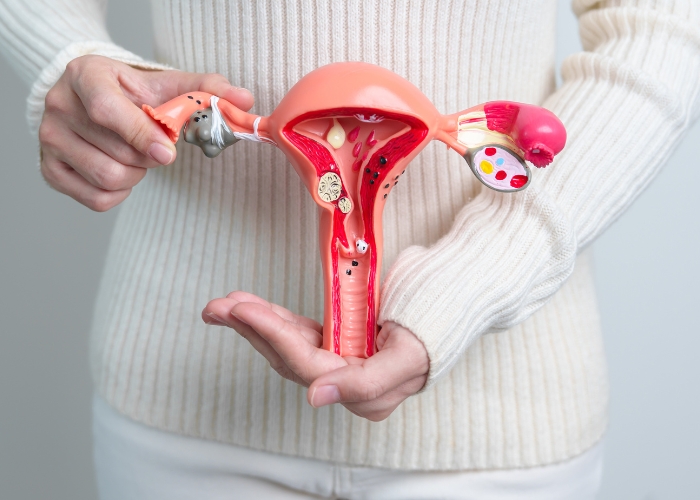
Uterine prolapse happens when the uterus slips down from its normal position into the vaginal canal. This occurs when the pelvic floor muscles and ligaments — the body’s natural support system — become weakened or stretched. Common causes include childbirth, aging, menopause, obesity, chronic coughing, or straining during bowel movements.
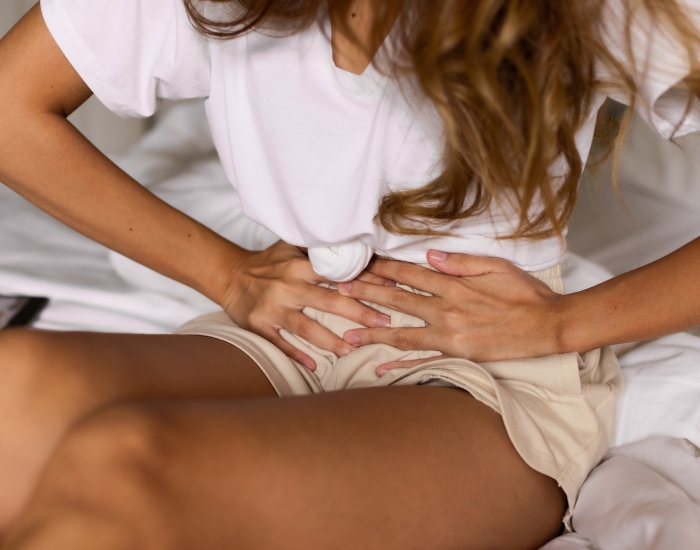
Symptoms can range from mild to severe and may include:
- A feeling of heaviness or pressure in the pelvis
- A bulge or sensation of something “falling out” of the vagina
- Urinary incontinence or difficulty emptying the bladder
- Constipation or trouble with bowel movements
- Lower back pain or discomfort during intimacy
How Can Pelvic Floor Physical Therapy Help?
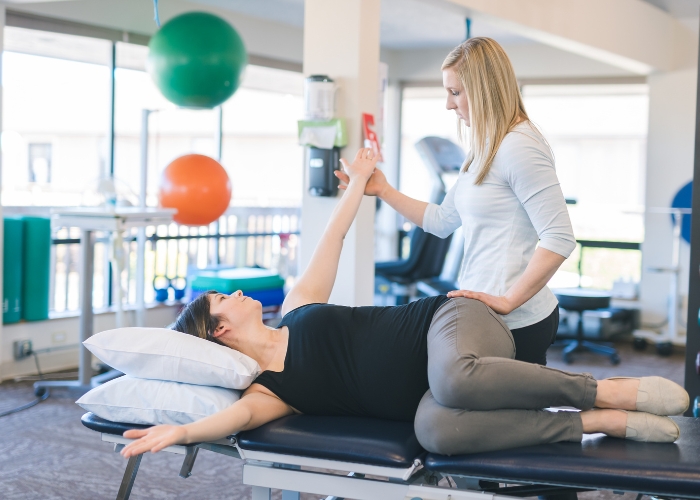
Pelvic floor physical therapy (PFPT) focuses on strengthening the muscles, ligaments, and connective tissues that support the pelvic organs, including the uterus, bladder, and rectum. A specially trained physical therapist works with you to:
- Improve pelvic muscle strength and coordination
- Reduce pelvic pressure and discomfort
- Improve bladder and bowel control
- Teach safe movement and body mechanics to prevent further strain
- Boost overall pelvic health and confidence
Think of it as personal training for your pelvic floor, but with a medical expert guiding you every step of the way.
What to Expect in Pelvic Floor Therapy
If you’re new to pelvic floor physical therapy, here’s what typically happens:
- Comprehensive evaluation
Your therapist will assess your posture, muscle strength, flexibility, and pelvic alignment. They may also perform a gentle internal exam to evaluate the pelvic muscles directly. - Customized exercise program
You’ll learn targeted exercises (like Kegels, but much more precise) to strengthen or relax the right muscles. - Biofeedback or electrical stimulation (if needed)
Some therapists use tools to help you better understand how your muscles work or to stimulate weak muscles. - Education and support
You’ll get advice on bladder and bowel habits, lifting techniques, and daily lifestyle changes to protect your pelvic floor. - Ongoing progress tracking
Your therapist will regularly check your improvement and adjust your plan as needed.
Why Choose Physical Therapy After Uterine Prolapse?
Pelvic floor physical therapy is often recommended:
- As a first-line treatment for mild to moderate uterine prolapse
- After surgery to support recovery and prevent recurrence
- To delay or avoid surgery by improving muscle support and symptoms
- For women who want to regain strength, control, and confidence in their bodies
Many women report feeling stronger, more comfortable, and more in control after completing a pelvic floor therapy program.
Take the First Step Toward Recovery
At Katy Women’s Pelvic Health, we believe every woman deserves compassionate, expert care tailored to her needs. If you’re recovering from uterine prolapse or looking for non-surgical options, pelvic floor physical therapy can be a key part of your healing journey.
Our team works alongside you, offering guidance, support, and proven treatments to help you reclaim comfort, function, and quality of life.
Schedule Your Consultation Today
If you live in Katy, Richmond, Cypress, Sugar Land, or the Greater Houston area, contact us today to schedule an appointment. We’re here to help you feel your best — from the inside out.
Blog Disclaimer
This blog is for informational purposes only and does not replace medical advice or treatment. Please consult your physician or a qualified healthcare provider before starting any new health program, including pelvic floor physical therapy.