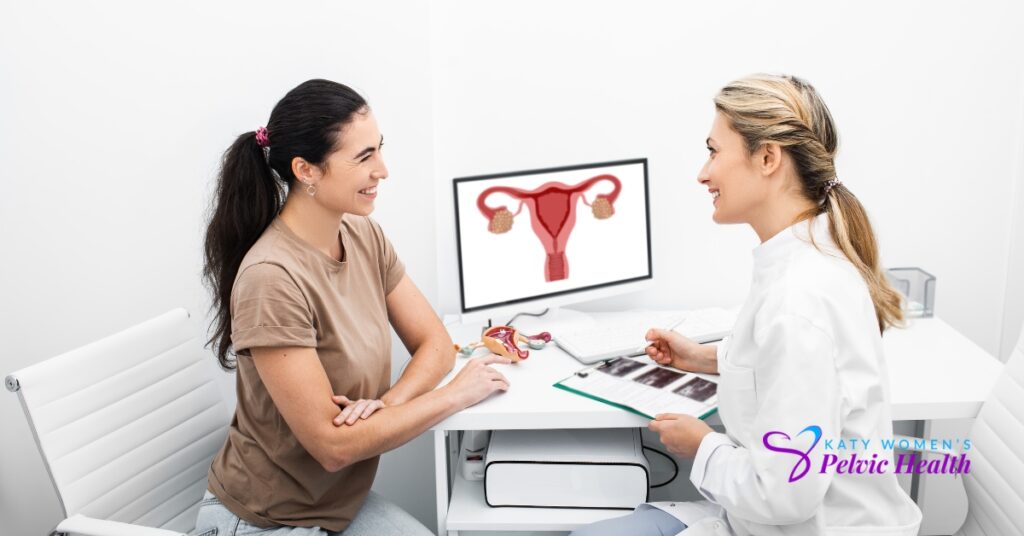

If you are constantly running to the bathroom or feeling the urge to go even when your bladder is not full, you might have an overactive bladder (OAB). While OAB itself is not dangerous, it can make daily life frustrating, embarrassing, and sometimes even painful.
What many people do not realize is that having an overactive bladder can also increase your risk of urinary tract infections (UTIs). Let’s break down why that happens, what you can do about it, and how to protect your urinary health.
What Is Overactive Bladder?
Overactive bladder is a condition where the bladder muscles contract too often or without warning, making you feel a sudden, urgent need to urinate. This can happen even if the bladder is not full.
Common symptoms include:
- Urgency, a sudden need to urinate that is hard to control
- Frequent urination, usually more than eight times in 24 hours
- Waking up at night to urinate, called nocturia
- Sometimes, accidental urine leakage, known as urge incontinence
What Are UTIs and Why Do They Matter?
Urinary tract infections happen when bacteria, usually from the skin or rectal area, enter the urinary tract and multiply. UTIs can cause symptoms such as:
- Pain or burning when urinating
- Frequent urge to urinate
- Lower belly or back pain
- Cloudy, dark, or strong-smelling urine
If left untreated, a UTI can spread to the kidneys and cause more serious health issues.
How Does Overactive Bladder Increase UTI Risk?
You might wonder how bladder urgency connects to infections. Here are the main reasons:
- Incomplete bladder emptying
With OAB, the bladder can contract irregularly, making it harder to fully empty. Leftover urine creates a warm, moist environment where bacteria can grow. - Frequent bathroom trips
Constant irritation of the urinary tract from frequent urination can disrupt the natural balance of bacteria, making it easier for harmful bacteria to take hold. - Muscle fatigue and poor coordination
Over time, the bladder and pelvic muscles may become fatigued or lose coordination, making it more difficult to empty the bladder completely. - Use of pads or protective products
While useful for leaks, wearing pads or liners for long periods can create moisture and warmth, which may increase bacterial growth and raise infection risk.
Who Is Most at Risk?
While anyone with OAB can face a higher UTI risk, certain groups are especially vulnerable:
- Women, especially after menopause
- Older adults with decreased mobility
- People with diabetes or neurological conditions
- Those using catheters or who have had bladder surgery
What Can You Do to Reduce UTI Risk with OAB?
There are several ways to protect your bladder health:
- Practice good bathroom habits
Take your time when you urinate, and make sure you fully empty your bladder. - Stay hydrated
Drinking enough water helps flush bacteria from the urinary tract. Limit excessive caffeine or alcohol, which can irritate the bladder. - Wipe front to back
This simple habit helps reduce the spread of bacteria from the rectal area to the urethra. - Choose breathable products
If using pads or liners, pick moisture-wicking, breathable options and change them regularly. - Manage OAB symptoms
Work with your healthcare provider on bladder training, pelvic floor exercises, or medications to better control overactive bladder.
When Should You See a Doctor?
If you have OAB and notice symptoms such as burning when urinating, fever, back pain, or cloudy urine, contact your doctor promptly. You may have a UTI that needs treatment.
At Katy Women’s Pelvic Health, Dr. Solafa Elshatanoufy specializes in helping women manage overactive bladder, prevent UTIs, and improve urinary health with expert, compassionate care.
Final Thoughts
Overactive bladder does not have to control your life or put you at higher risk for infections. With the right care, lifestyle changes, and medical support, you can reduce UTI risk and improve your day-to-day comfort.
Schedule Your Consultation Today
If you are struggling with OAB or frequent UTIs in Katy, Sugar Land, Richmond, Cypress, or the Greater Houston area, contact Katy Women’s Pelvic Health today. We are here to help you find answers, feel better, and reclaim your quality of life.
Blog Disclaimer
This blog is for informational purposes only and does not replace professional medical advice or care. Always consult your physician or qualified healthcare provider for diagnosis and treatment of urinary or bladder concerns.