
Bladder Pain and Interstitial Cystitis Doctor in Katy, TX
Burning, pressure or pain in the bladder that keeps returning, even when urine tests come back clear, is real and treatable.
Interstitial cystitis, also called bladder pain syndrome, is a chronic condition that causes bladder pressure or pain, often with urgency and frequent urination, without an infection to explain it. At our Katy office, Dr. Solafa Elshatanoufy confirms the diagnosis, rules out other causes and builds a step-by-step plan to calm symptoms and reduce flares.

Understanding Bladder Pain Syndrome
Interstitial cystitis (IC), also called bladder pain syndrome (BPS), describes pain, pressure or discomfort felt in the bladder area for more than six weeks, together with urinary symptoms such as urgency or frequency, when no infection or other clear cause is found. Pain often builds as the bladder fills and eases after urinating.
The exact cause is not fully understood. Changes in the protective bladder lining, nerve sensitivity, inflammation and tight pelvic floor muscles may all play a part. IC is more common in women, and it often occurs alongside other conditions such as irritable bowel syndrome, endometriosis or chronic pelvic pain.
Many women are treated for repeated urinary tract infections before IC is considered. If antibiotics have not helped, or your urine cultures are negative, a specialist evaluation can bring clarity.
Symptoms and Common Triggers
Symptoms vary from mild to severe and often come in flares.
Common symptoms
- Pain, pressure or burning in the lower abdomen or bladder area
- Pain that worsens as the bladder fills and eases after urinating
- Frequent urination during the day, sometimes very small amounts
- Waking at night to urinate
- A persistent or urgent need to urinate
- Pain in the urethra, vulva or vagina
- Pain during or after intercourse
Things that may trigger flares
- Acidic or spicy foods, coffee, tea, alcohol and carbonated drinks
- Artificial sweeteners and some citrus fruits
- Stress and poor sleep
- Menstrual cycle hormone changes
- Sexual activity
- Long periods of sitting or tight clothing
Triggers differ from person to person. A simple symptom and food diary can help you find yours.
Bladder pain can also come from overactive bladder, infection, bladder stones, endometriosis affecting the bladder or pelvic floor muscle tension. Ruling these out is an important first step.
When Should You See a Specialist?
Consider an evaluation with a urogynecologist if:
- Bladder pain or pressure has lasted more than six weeks
- You have been treated for UTIs but cultures are often negative
- Urgency and frequency disrupt your work, travel or sleep
- Intercourse has become painful
- Over-the-counter remedies and diet changes have not been enough
Seek urgent care if you have bladder pain with fever, chills, back or side pain, vomiting, or visible blood in the urine, or if you cannot pass urine. These can signal a kidney infection or another problem that needs prompt treatment. In an emergency, call 911.

Bladder Pain Care From Dr. Solafa Elshatanoufy
Dr. Solafa Elshatanoufy is board-certified in obstetrics and gynecology and in female pelvic medicine and reconstructive surgery (urogynecology). Her fellowship training at Wayne State University focused on the bladder and pelvic floor, the areas most involved in interstitial cystitis.
Her background as a Doctor of Pharmacy also helps when choosing and combining medications, a common part of IC treatment. She takes time to understand your symptoms, explains each option clearly and adjusts your plan as you improve.
How Bladder Pain Is Diagnosed
There is no single test for interstitial cystitis. The diagnosis is based on your symptoms and on ruling out other conditions.
- Detailed history and symptom questionnaire: including a voiding diary of how often and how much you urinate.
- Urinalysis and urine culture: to check for infection or blood in the urine.
- Pelvic examination: including the bladder base and pelvic floor muscles, which are often tender in IC.
- Post-void residual: to check how well your bladder empties.
- Cystoscopy: in selected cases, to look inside the bladder and identify Hunner lesions, which respond to specific treatments.
- Urodynamic testing: when urgency or leakage needs further assessment.
Treatment Options for Interstitial Cystitis
IC is managed rather than cured, and most women find meaningful relief with the right combination of treatments. Care usually starts with the simplest, safest options.
First steps and medications
- Education and self-care: identifying trigger foods, managing fluids and planning for flares.
- Stress and sleep support: because both can intensify symptoms.
- Pelvic floor physical therapy: gentle manual therapy to release tight, tender pelvic floor muscles.
- Oral medications: options may include amitriptyline, antihistamines or pentosan polysulfate, chosen after a review of benefits and side effects. Pentosan requires regular eye examinations because of a risk of retinal changes.
Bladder-directed treatments
- Bladder instillations: medication placed directly into the bladder through a thin catheter to soothe the lining and reduce pain.
- Treatment of Hunner lesions: when found on cystoscopy.
- Botox injections into the bladder: for selected patients whose symptoms persist despite other care.
- Sacral neuromodulation: may be considered for persistent urgency and frequency, as with Axonics therapy.
Each option has its own benefits and risks, which Dr. Elshatanoufy will review with you before treatment.
What Can You Expect From Treatment?
Relief from interstitial cystitis usually builds gradually over weeks to months. Many women need a combination of self-care, physical therapy and medication, and some need bladder-directed treatment as well. Flares can still happen, so part of your plan is knowing what to do when they occur. Our goal is to reduce pain, lengthen the time between bathroom trips and help you get back to work, travel, exercise and intimacy with more confidence.
Bladder Pain Care in Katy, Texas
Specialist care for a condition that is often misunderstood, delivered with patience and clear explanations.
- Board-certified urogynecologist
- In-office cystoscopy and urodynamic testing
- Bladder instillation therapy
- Pelvic floor physical therapy support
- Medication guidance from a physician with a PharmD
- Unhurried visits and a step-by-step plan
What Our Patients Say
Patients share their experience of care at our Katy office. Individual results vary.
Dr. Elshatanoufy is simply wonderful! She took the time to thoroughly explain my extensive lab results and other tests, answered all of my questions, and gave me the confidence and peace of mind I needed before moving forward with the procedure.
The entire staff was also incredibly attentive, courteous, and welcoming throughout my visit. I truly loved my experience there and felt very well cared for. I definitely trust Dr. Elshatanoufy and her team with my health needs and would highly recommend them!
I can’t say enough good things about Dr. Solafa. She is warm, attentive, and incredibly compassionate. She takes her time during appointments, listens carefully to concerns, and never makes you feel rushed. Her bedside manner is truly wonderful, and she creates such a comfortable and reassuring environment. You can tell she genuinely cares about her patients. Very sweet, professional, and knowledgeable. I’m so grateful to have found her for my mom’s treatment.
Dr. Elshatanoufy was truly lovely to work with. I’ve had a hard time pinning down my symptoms but she was willing to hear my concerns and do a thorough examination to rule out more serious conditions. She was thorough, efficient, patient, gentle, and kind during the pelvic examination, which is a vulnerable position for women. I felt that she genuinely cared for my wellbeing. After receiving less than ideal care at a neighboring practice in Katy, I am really grateful to Dr. E for validating my concerns, making me feel heard, and reassured with my next steps.
The waiting room was pretty busy and cold when I went. Suggest bringing headphones and some long sleeves!
My experience perfection. From check in to check out. Dia was my MA and she was so professional and a pleasure. She answered all my questions and made sure I was taken care of. Dr Elshatanoufy was AWESOME! Great bedside manner and make my exam comfortable. Then I had the pleasure to check out with Elizabeth and she was just as pleasant. I can tell this is an office that cares greatly for their patients!
This was my first visit at Katy Women’s Pelvic Health. It was a great experience, from checking in with a very helpful and friendly receptionist to being seeing by Nida the office manager, Oyin the NP and Dr. E. Everyone was very friendly, professional, and made the visit very comfortable. They thoroughly explained all the finding and the options for treatment. I highly recommend this practice.
Dr E. and her whole staff are gems! They have the best customer service, energy, and I noticed they are great with all other patients besides me. Dr E. really listens to your problems, offers solutions and she explains things so well. You can tell she loves what she does and does a wonderful job at it. I definitely recommend her practice to anyone seeking top notch, high quality care.
Just the kindest people! I was so at ease with the whole experience!! Very knowledgeable, explained everything and answered all my questions!!! Wish I had found her earlier in my life!!
Mi nombre es Nidia, I am a patient at Katy Women’s Pelvic Health and had my surgery less than 15 days ago. This clinic is highly recommended for its excellent medical and humane care. This type of care is provided by the entire staff, in addition to the doctor, including the receptionist, nurses, and health technicians. The surgeon is Solafa Elshatanoufy, who has more than 20 years of experience in women’s pelvic health, offering modern, effective, and minimally invasive treatments in many cases. She is a compassionate and empathetic person who makes you feel safe, listened to, and cared for by expert and professional hands. The environment is clean and welcoming, and thanks to its modernity, I felt almost no discomfort or pain during the procedures, and everything was quick.
One of the best places to see OBGYN. My mom sees Dr. Solafa. The staffs, nurses, Doctors and the services they provide are very professional and welcoming. Highly recommended.
Top-tier doctor and extremely skilled surgeon, I could not have been more blessed to have her taking care of me. Thank you, Dr. E!
Dr. E is a super great Doctor who listens attentively and collaborates closely with patients throughout every step of the process. Additionally, the office staff was professional, courteous, and efficient.
Dr. E is so kind and professional. She listened to all my concerns and had an answer to all my questions. She made sure I was happy with my medications. Her staff is so helpful and make the visit go quickly and efficiently. I am so glad I found Dr E!
Dr. E has the best bedside manner compared to all the doctors I have seen before. She is so knowledgeable and truly cares for her patients and wants the best for everyone. I feel incredibly lucky to find a doctor willing to always spare time for patients. She is amazing and 1000% worth the wait!!!!
Frequently Asked Questions About Bladder Pain
What is the difference between interstitial cystitis and a UTI?
A UTI is caused by bacteria and shows up on a urine culture. Interstitial cystitis causes similar pain, urgency and frequency, but the culture is negative and symptoms continue for weeks or months. Antibiotics do not treat IC.
Is interstitial cystitis curable?
There is no single cure, but most women improve significantly with treatment. Symptoms can often be reduced to a level that no longer controls daily life.
What foods should I avoid with interstitial cystitis?
Common triggers include coffee, tea, alcohol, carbonated drinks, citrus, tomatoes, spicy foods and artificial sweeteners. Triggers vary, so an elimination approach guided by a symptom diary works best.
Do I need a cystoscopy?
Not always. Cystoscopy is recommended when the diagnosis is uncertain, when there is blood in the urine, or to look for Hunner lesions that respond to targeted treatment.
Can pelvic floor physical therapy help bladder pain?
Yes. Many women with IC have tight, tender pelvic floor muscles. Gentle manual physical therapy is one of the treatments recommended for bladder pain syndrome.
Can interstitial cystitis cause pain during sex?
Yes. Pain during or after intercourse is common with IC. Treating the bladder and the pelvic floor together often helps.
When is bladder pain an emergency?
Bladder pain with fever, chills, back pain, vomiting or the inability to urinate needs prompt care. Call 911 or go to the nearest emergency room if symptoms are severe.
Do you see patients from outside Katy?
Yes. Women from Fulshear, Richmond, Sugar Land, Cypress and across Greater Houston are seen at our Katy office.
Related Articles
More about bladder pain and urinary symptoms from our Katy practice.
January 10, 2026
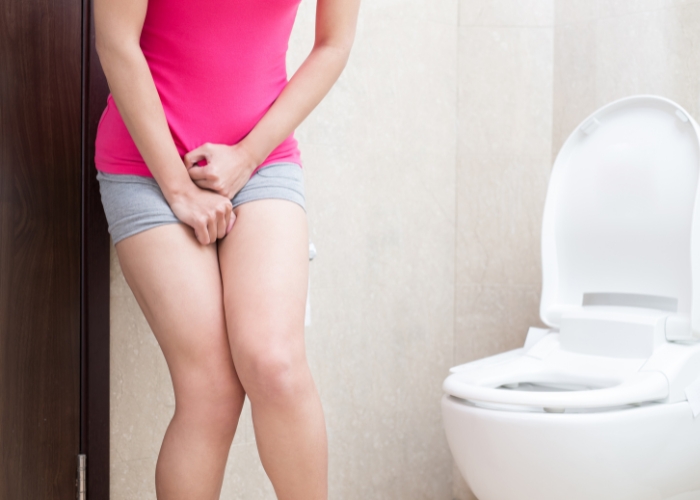
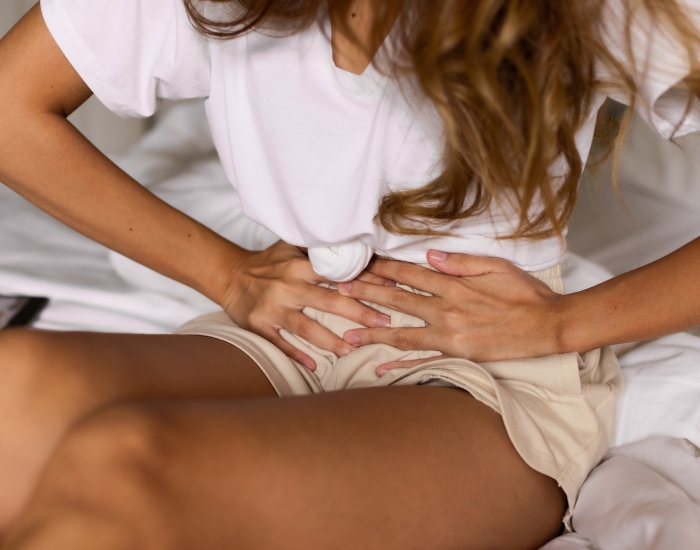
Pelvic Pain and Bladder Pressure in Women
Pelvic pain and bladder pressure are common complaints among women and can range from occasional discomfort to chronic,…
Read article: Pelvic Pain and Bladder Pressure in Women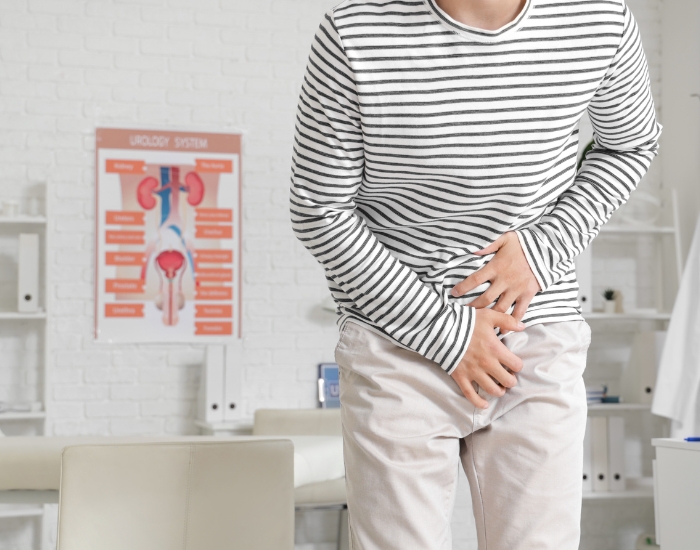
August 24, 2026
Urinary Discomfort, Urgency, or Recurring Urinary Concerns: Finding Lasting Relief
Most people have experienced occasional urinary discomfort at some point in their lives. Maybe you’ve suddenly felt an…
Read article: Urinary Discomfort, Urgency, or Recurring Urinary Concerns: Finding Lasting ReliefBladder Pain Care in Katy and Greater Houston
All bladder pain evaluations, testing and treatment visits take place at our Katy office at 410 W Grand Pkwy S, Suite 320, just off the Grand Parkway. We welcome new patients from Katy, Cinco Ranch, Fulshear, Richmond, Sugar Land, Cypress and West Houston.
Ready for Relief From Bladder Pain?
You do not have to plan your life around the bathroom. Schedule a consultation with Dr. Solafa Elshatanoufy to find the cause of your symptoms and start a plan that fits you.
410 W Grand Pkwy S, Suite 320, Katy, TX 77494