
Pelvic Pain Doctor in Katy, TX
Pelvic pain that keeps coming back, or never fully goes away, deserves a careful search for its cause. You should not have to keep pushing through it.
Chronic pelvic pain is pain below the belly button that lasts six months or longer. It can come from the reproductive organs, bladder, bowel, muscles or nerves, and often more than one source is involved. At our Katy office, Dr. Solafa Elshatanoufy evaluates each possible cause and builds a treatment plan aimed at lasting relief.

Understanding Pelvic Pain in Women
Pelvic pain can be sharp or dull, constant or cyclical, and it may come with periods, intercourse, urination or bowel movements. Acute pain begins suddenly and often has a single cause. Chronic pelvic pain develops over months and frequently has several overlapping contributors, which is why it is so often misunderstood or dismissed.
Long-lasting pain can affect sleep, mood, work and relationships. Many women see several doctors before getting answers. A specialist who understands the gynecologic, urinary and pelvic floor causes of pain can often connect the pieces and create a plan that addresses each one.
Pain with intercourse (dyspareunia)
Pain during or after sex may be felt at the vaginal opening or deeper in the pelvis. Common causes include vaginal dryness from menopause-related hormone changes, pelvic floor muscle tension, infection, endometriosis and pelvic organ prolapse. It is common and usually treatable. Read more in our guide to pain during intercourse.
Common Symptoms and Possible Causes
The pattern of your pain offers important clues about where it is coming from.
How pelvic pain may show up
- Aching, cramping or pressure low in the abdomen or pelvis
- Pain that worsens with periods
- Pain during or after intercourse
- Pain with a full bladder or with urination
- Pain with bowel movements, bloating or constipation
- Pain after long periods of sitting or standing
- Low back, hip or groin pain that accompanies pelvic symptoms
Possible causes
- Endometriosis or adenomyosis
- Uterine fibroids and ovarian cysts
- Interstitial cystitis (bladder pain syndrome)
- Pelvic floor muscle tension or spasm
- Pelvic organ prolapse
- Pelvic infections, including pelvic inflammatory disease
- Irritable bowel syndrome and other bowel conditions
- Nerve irritation and musculoskeletal problems of the back and hips
Because more than one cause is often present, treating only one piece may give only partial relief. A thorough evaluation looks at the whole picture.
When Should You See a Specialist?
A urogynecologist is trained in gynecology as well as the bladder and pelvic floor, the areas most often involved in chronic pelvic pain. Consider an appointment if:
- Pain has lasted more than a few months or keeps returning
- Pain interferes with work, exercise, sleep or intimacy
- You have pain along with bladder urgency or frequency
- Previous treatments have not given lasting relief
Pelvic pain can be an emergency. Sudden, severe pelvic pain, pain with fever, fainting or heavy bleeding, or pelvic pain during pregnancy needs immediate care. Call 911 or go to the nearest emergency room.

Specialized Care From Dr. Solafa Elshatanoufy
Dr. Solafa Elshatanoufy is board-certified in obstetrics and gynecology and in female pelvic medicine and reconstructive surgery, with additional expertise in advanced minimally invasive gynecology. She has more than 21 years of experience in medicine and completed her training at Wayne State University.
That combination is well suited to pelvic pain, which so often crosses the boundaries between gynecology, the bladder and the pelvic floor. She takes the time to listen to your full history, examines each possible source of pain, and coordinates treatment that may include medication, pelvic floor therapy, bladder care and minimally invasive surgery when appropriate.
How We Find the Cause of Pelvic Pain
Your evaluation is thorough but gentle, and you are always in control of the pace of the exam.
- Detailed history: when the pain started, what makes it better or worse, and how it relates to periods, intercourse, urination and bowel movements.
- Pelvic examination: including a careful assessment of the pelvic floor muscles, which are a frequently overlooked source of pain.
- Urine and infection testing: to rule out infection.
- Pelvic ultrasound: to look for fibroids, ovarian cysts and other structural causes.
- Cystoscopy: when bladder pain or interstitial cystitis is suspected.
- Laparoscopy: in selected cases, a minimally invasive procedure can diagnose and treat conditions such as endometriosis.
Treatment Options for Pelvic Pain
Treatment targets the specific causes found in your evaluation. Combining approaches often works better than any single treatment.
Medical and conservative care
- Pelvic floor physical therapy: relaxes and retrains tight or overactive pelvic floor muscles.
- Hormonal treatment: to suppress endometriosis or reduce painful periods.
- Bladder-directed therapy: diet changes, medication and bladder instillations for interstitial cystitis.
- Vaginal estrogen and moisturizers: for pain related to menopause.
- Pain-modulating medication: for nerve-related pain when appropriate.
Procedures and surgery
- Trigger point injections: for painful pelvic floor muscle knots, in selected patients.
- Minimally invasive laparoscopy: to diagnose and remove endometriosis or treat other structural causes.
- Treatment of fibroids or prolapse: when they are contributing to pain.
Surgery is considered only when it is likely to help. Dr. Elshatanoufy will discuss the expected benefits, risks and alternatives in detail.
What Can You Expect From Treatment?
Chronic pelvic pain usually improves step by step rather than all at once. Many women notice progress within the first few months as each contributing cause is addressed. Pelvic floor therapy typically involves a series of visits and a home program. Our goal is to reduce your pain, restore function and help you return to the activities and relationships that matter to you.
Pelvic Pain Care in Katy, Texas
A specialist who looks at the gynecologic, bladder and pelvic floor causes of pain together.
- Board-certified gynecologist and urogynecologist
- Thorough, unhurried evaluation
- Pelvic floor assessment as part of every exam
- Bladder pain and interstitial cystitis care
- Minimally invasive surgical expertise
- Pelvic floor physical therapy support
What Our Patients Say
Patients share their experience of care at our Katy office. Individual results vary.
Dr. Elshatanoufy is simply wonderful! She took the time to thoroughly explain my extensive lab results and other tests, answered all of my questions, and gave me the confidence and peace of mind I needed before moving forward with the procedure.
The entire staff was also incredibly attentive, courteous, and welcoming throughout my visit. I truly loved my experience there and felt very well cared for. I definitely trust Dr. Elshatanoufy and her team with my health needs and would highly recommend them!
I can’t say enough good things about Dr. Solafa. She is warm, attentive, and incredibly compassionate. She takes her time during appointments, listens carefully to concerns, and never makes you feel rushed. Her bedside manner is truly wonderful, and she creates such a comfortable and reassuring environment. You can tell she genuinely cares about her patients. Very sweet, professional, and knowledgeable. I’m so grateful to have found her for my mom’s treatment.
Dr. Elshatanoufy was truly lovely to work with. I’ve had a hard time pinning down my symptoms but she was willing to hear my concerns and do a thorough examination to rule out more serious conditions. She was thorough, efficient, patient, gentle, and kind during the pelvic examination, which is a vulnerable position for women. I felt that she genuinely cared for my wellbeing. After receiving less than ideal care at a neighboring practice in Katy, I am really grateful to Dr. E for validating my concerns, making me feel heard, and reassured with my next steps.
The waiting room was pretty busy and cold when I went. Suggest bringing headphones and some long sleeves!
My experience perfection. From check in to check out. Dia was my MA and she was so professional and a pleasure. She answered all my questions and made sure I was taken care of. Dr Elshatanoufy was AWESOME! Great bedside manner and make my exam comfortable. Then I had the pleasure to check out with Elizabeth and she was just as pleasant. I can tell this is an office that cares greatly for their patients!
This was my first visit at Katy Women’s Pelvic Health. It was a great experience, from checking in with a very helpful and friendly receptionist to being seeing by Nida the office manager, Oyin the NP and Dr. E. Everyone was very friendly, professional, and made the visit very comfortable. They thoroughly explained all the finding and the options for treatment. I highly recommend this practice.
Dr E. and her whole staff are gems! They have the best customer service, energy, and I noticed they are great with all other patients besides me. Dr E. really listens to your problems, offers solutions and she explains things so well. You can tell she loves what she does and does a wonderful job at it. I definitely recommend her practice to anyone seeking top notch, high quality care.
Just the kindest people! I was so at ease with the whole experience!! Very knowledgeable, explained everything and answered all my questions!!! Wish I had found her earlier in my life!!
Mi nombre es Nidia, I am a patient at Katy Women’s Pelvic Health and had my surgery less than 15 days ago. This clinic is highly recommended for its excellent medical and humane care. This type of care is provided by the entire staff, in addition to the doctor, including the receptionist, nurses, and health technicians. The surgeon is Solafa Elshatanoufy, who has more than 20 years of experience in women’s pelvic health, offering modern, effective, and minimally invasive treatments in many cases. She is a compassionate and empathetic person who makes you feel safe, listened to, and cared for by expert and professional hands. The environment is clean and welcoming, and thanks to its modernity, I felt almost no discomfort or pain during the procedures, and everything was quick.
One of the best places to see OBGYN. My mom sees Dr. Solafa. The staffs, nurses, Doctors and the services they provide are very professional and welcoming. Highly recommended.
Top-tier doctor and extremely skilled surgeon, I could not have been more blessed to have her taking care of me. Thank you, Dr. E!
Dr. E is a super great Doctor who listens attentively and collaborates closely with patients throughout every step of the process. Additionally, the office staff was professional, courteous, and efficient.
Dr. E is so kind and professional. She listened to all my concerns and had an answer to all my questions. She made sure I was happy with my medications. Her staff is so helpful and make the visit go quickly and efficiently. I am so glad I found Dr E!
Dr. E has the best bedside manner compared to all the doctors I have seen before. She is so knowledgeable and truly cares for her patients and wants the best for everyone. I feel incredibly lucky to find a doctor willing to always spare time for patients. She is amazing and 1000% worth the wait!!!!
Frequently Asked Questions About Pelvic Pain
What is the most common cause of chronic pelvic pain in women?
Common causes include endometriosis, pelvic floor muscle dysfunction, interstitial cystitis and irritable bowel syndrome. Many women have more than one contributing cause.
When is pelvic pain an emergency?
Sudden, severe pelvic pain, pain with fever, fainting or heavy bleeding, or pelvic pain during pregnancy needs immediate care. Call 911 or go to the nearest emergency room.
Can pelvic floor physical therapy help pelvic pain?
Yes. When tight or overactive pelvic floor muscles contribute to pain, physical therapy can reduce pain with daily activities and with intercourse.
Is pain during intercourse normal after menopause?
It is common, but you do not have to accept it. Vaginal dryness and thinning after menopause respond well to vaginal estrogen, moisturizers and other treatments.
Will I need surgery for pelvic pain?
Most women are treated without surgery. Laparoscopy is considered when endometriosis or another structural cause is suspected and conservative treatment has not helped.
Why have other doctors not found the cause of my pain?
Pelvic pain often has several overlapping sources, and the pelvic floor muscles are easy to overlook. A specialist evaluation that considers each system can often find answers.
Do you see patients from outside Katy?
Yes. Women from Fulshear, Richmond, Sugar Land, Cypress and across Greater Houston are seen at our Katy office.
Related Articles
More about pelvic pain from our Katy practice.

June 14, 2022
Pelvic Pain: Causes, Symptoms, and Effective Treatments
Pelvic pain is a common yet often misunderstood health issue that affects many women at different stages of life. Whether it presents as a dull ache, sharp stabbing pain, or persistent discomfort in the…
Read article: Pelvic Pain: Causes, Symptoms, and Effective Treatments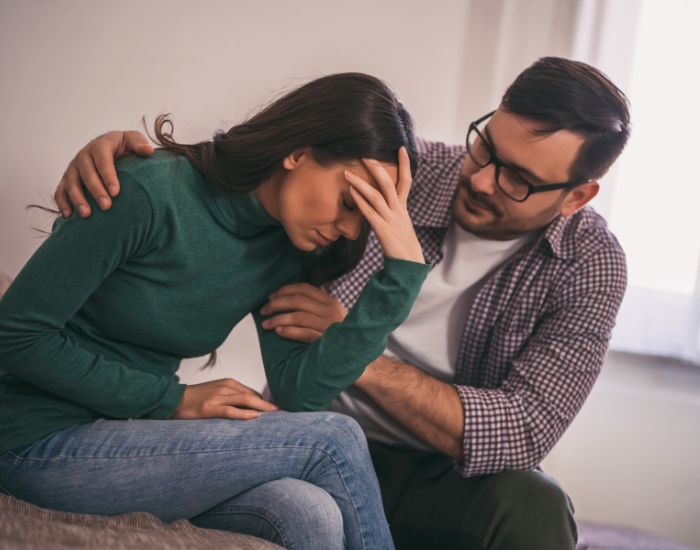
May 6, 2026
Pain During Intercourse? Causes & When to See a Specialist
Pain during intercourse is more common than many women realize. Known medically as dyspareunia, it can affect women…
Read article: Pain During Intercourse? Causes & When to See a Specialist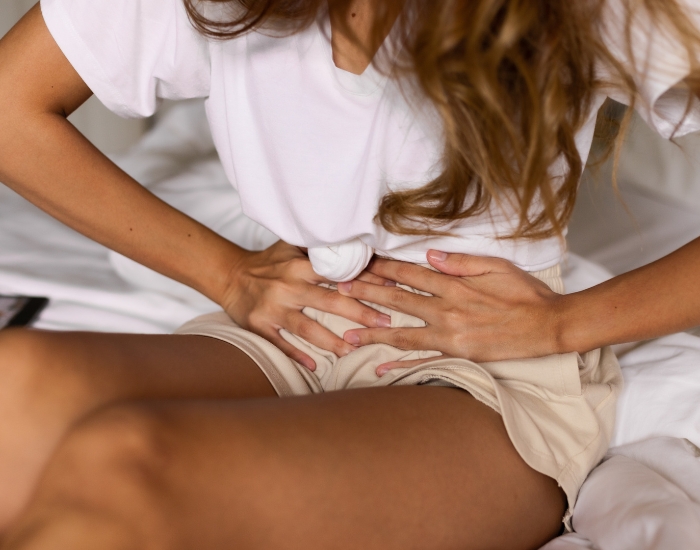
January 10, 2026
Pelvic Pain and Bladder Pressure in Women
Pelvic pain and bladder pressure are common complaints among women and can range from occasional discomfort to chronic,…
Read article: Pelvic Pain and Bladder Pressure in WomenPelvic Pain Care in Katy and Greater Houston
All pelvic pain evaluations and treatment visits take place at our Katy office at 410 W Grand Pkwy S, Suite 320. We welcome new patients from Katy, Cinco Ranch, Fulshear, Richmond, Sugar Land, Cypress and West Houston.
Ready to Find the Cause of Your Pelvic Pain?
You deserve answers and a plan that addresses every part of your pain. Schedule a consultation with Dr. Solafa Elshatanoufy.
410 W Grand Pkwy S, Suite 320, Katy, TX 77494