
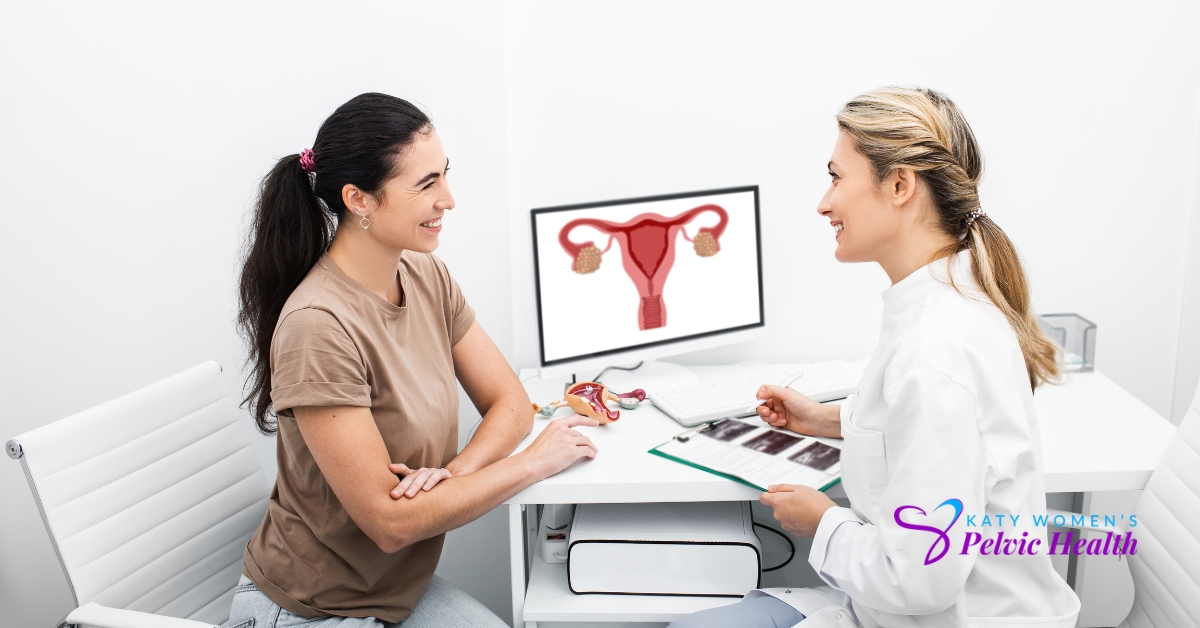
When female concerns develop, it can be difficult to know who to turn to for assistance. We normally consult a gynecologist for day-to-day issues such as menstruation, fertility, birth control, and the overall health of our vagina. As a woman, addressing challenges that occur can be frightening and leave a patient wondering who to turn to for help.
What Is the Distinction Between a GYNECOLOGIST and a UROGYNECLOGIST?
Gynecologists are doctors that specialize in female reproductive health. These doctors are frequently seen by women for standard annual well-woman exams, which include pap smears, STD screening, testing for vaginal infections, and overall health of the female anatomy. A urogynecologist, on the other hand, is a doctor that specializes in pelvic floor diseases. The most common problems in this category are incontinence and prolapse.
Women frequently form a relationship with a gynecologist they trust, and that doctor often cares for them throughout their lives. A gynecologist is a good source of information for general women's health issues such as menstruation, sexual health, family planning, and hormone imbalances. However, in complex cases involving the pelvic floor, a gynecologist may refer patients to a urogynecologist who will be able to provide extra expertise pertaining to the specific condition.
Urogynecologists are trained in either urology or gynaecology before specializing in Female Pelvic Medicine and Reconstructive Surgery. This additional training qualifies urogynecologists to treat women with pelvic floor diseases such as incontinence, prolapse, emptying abnormalities, and overactive bladder.
Education and Training
Gynecologists are doctors who have had advanced training in the female reproductive system. A gynecologist, like any other medical doctor, must first complete medical school, followed by a residency. Obstetrics and gynaecology are covered in combination by residency programs and the certification process in the United States.
Whereas a urogynecologist is a doctor who has graduated from medical school and completed a four-year residency in obstetrics and gynaecology. They may pursue additional, highly specialized training in the surgical and nonsurgical treatment of pelvic floor illnesses. That degree of education, however, is not required to become a urogynecologist.
Reasons to Consult with a Gynecologist
To maintain overall reproductive health, people should see a gynecologist on a regular basis. These visits, according to the American College of Obstetricians and Gynecologists, should begin between the ages of 13 and 15.
A gynecologist may use this visit to screen for concerns such as cervical or breast cancer, depending on the health history and age. The well visit is also an opportunity to consult the gynecologist about reproductive health issues such as birth contraception.
- Pelvic Dissatisfaction
Pain in the lower abdomen, often known as the pelvic region, may indicate an issue with the reproductive organs. Menstrual cramps, ovarian cysts, endometriosis, and ectopic pregnancy are all common causes of pelvic pain.
- Concerns about Period or Getting Pregnant
If we notice changes in regular monthly period, such as unexpected pain or bleeding, we can make an appointment with a gynecologist. If we are in our 40s or 50s, a gynecologist can help us to determine if we are in menopause.
Gynecologists can also assist anyone with pregnancy-related inquiries, such as how to avoid becoming pregnant and what to do if they suspect patients are pregnant.
- Regular Check-up
The gynecologist might use a visit to check for concerns such as cervical or breast cancer, based on the medical history and age. The well visit is also an opportunity to consult the gynecologist about reproductive health issues such as birth contraception.
Reasons to Consult with a Urogynecologist
Urogynecologists deal with pelvic floor and bladder problems. Overactive bladders, weak pelvic muscles, reproductive difficulties, and bladder or rectal incontinence are all examples of this (the loss of control when going to the bathroom). Urogynecologists assess, diagnose, and treat patients. Based on the symptoms and condition, a urogynecologist will collaborate with patients to develop a personalized treatment strategy. This may encompass both non-surgical and surgical therapies.
Treatment Without Surgery
Non-surgical treatments that a urogynecologist may recommend include any of the following:
- Kegel exercises, commonly known as pelvic floor muscle training.
- A suggestion to see a pelvic floor physical therapist.
- Injections used to treat bladder control issues.
- Vaginal pessary
Surgical Intervention
If a doctor advises surgery, it could include any of the following:
- Reconstructing pelvic floor support.
- addressing any prolapses.
- could involve uterine removal.
- Mesh midurethral sling for urine leaks.
- Anal or sphincter muscle damage healing
- The specialist may also propose a mix of treatments for specific symptoms/condition.
Who is at risk of having a pelvic floor disorder?
Over 28 million Americans suffer from pelvic floor issues, but only a small percentage of them obtain adequate treatment. Men and women both have a pelvic floor. The pelvic floor in women refers to the muscles, ligaments, connective tissues, and nerves that support and function the bladder, uterus, vagina, and rectum. The muscles, tissues, and nerves that support the bladder, rectum, and other pelvic organs in men comprise the pelvic floor. Pelvic floor problems develop when the "trampoline" or "hammock" that supports the pelvic organs weakens or becomes injured. Pelvic floor diseases are classified into three types:
- Fecal incontinence, also known as bowel incontinence.
- Pelvic organ prolapse, also known as rectal prolapse, occurs when the bowel bulges through the anus.
- Having trouble passing feces through the digestive system and out the anus, which is known as obstructed defecation.
What if we are uncomfortable or hesitant to see a specialist?
As women, we tend to avoid discussing health issues that are particularly personal or sensitive. However, it is critical to understand how common pelvic floor disorders are.
We are not alone if we suffer from one of these conditions. Until recently, many doctors would have told that urine incontinence and pelvic organ prolapse are natural aging symptoms that women must deal with. We are not required to live in these conditions! Once an issue has been identified, the next step is to seek an evaluation from a gynecologist or a urogynecologist, who will be able to discuss and work with everyone to dramatically enhance overall quality of life.
Myths about exercising the pelvic floor muscles
Pelvic floor muscle workouts are ineffective
When the cause of the problem is a weak pelvic floor, research reveals that pelvic floor muscle workouts can help with fecal incontinence. They will not, however, help if there are other sources of urine or bowel motion incontinence. There is enough evidence to support the effectiveness of pelvic floor muscle exercises when performed appropriately and taught and overseen by a physiotherapist who specializes in continence and women's health or a Continence Nurse Advisor.
I'm too old to do pelvic floor exercises
Some argue, "Pelvic floor muscle exercises won't work for me because I'm too elderly." This is not correct. The benefits of pelvic floor muscle workouts are not limited by age. There is evidence that older adults, like younger people, can benefit from pelvic floor muscle exercises for incontinence.
A brochure can teach us pelvic floor muscle exercises
Some people can learn pelvic floor muscle exercises from a brochure, however research suggests that up to 50% of women who try to do pelvic floor muscle exercises from a pamphlet get the method wrong. The improper strategy will not benefit either men or women and may even make the problem worse.