If you have been diagnosed with uterine fibroids or suspect you might have them, you may wonder, “Could fibroids be the reason for my back pain?”
The short answer is yes, sometimes they can. Let’s break down why fibroids may cause back pain, when to be concerned, and what you can do to feel better.
What Are Uterine Fibroids?
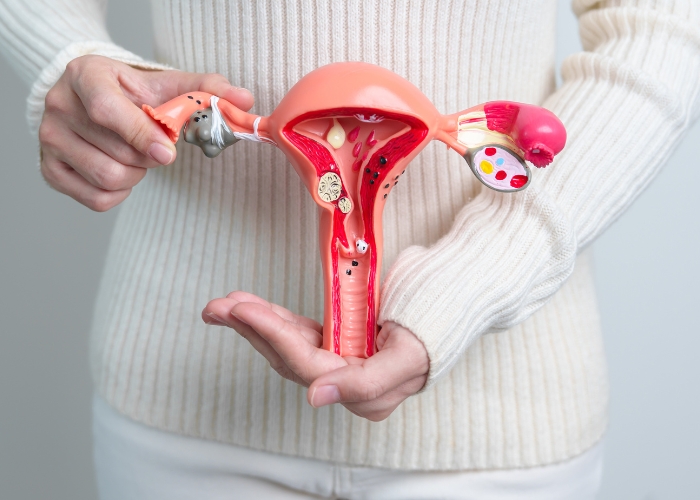
Uterine fibroids are noncancerous growths that develop in or on the uterus. They can be small and harmless or large and uncomfortable. Some women have no symptoms at all, while others experience
- Heavy or prolonged menstrual bleeding
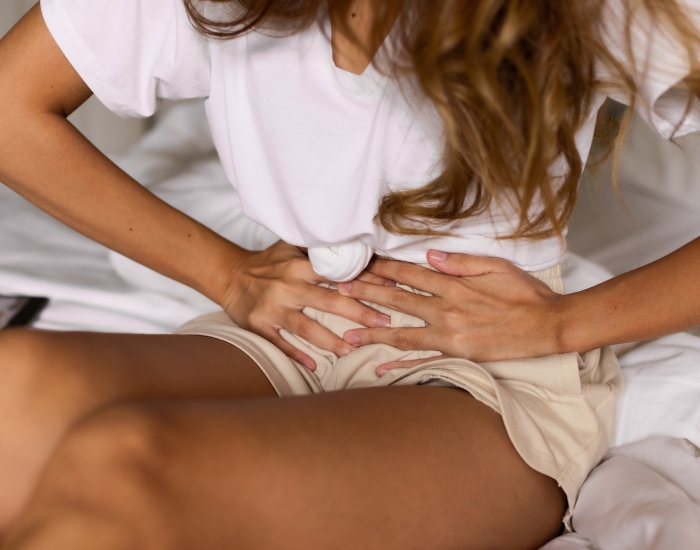
- Pelvic pain or pressure
- Frequent urination
- Bloating or abdominal fullness
And for some women, back pain can also be part of the picture.
How Can Fibroids Cause Back Pain?
Not all fibroids cause back pain, but when they do, it is usually because of size and location.
- Large fibroids
When fibroids grow big, they can press on nearby organs, tissues, and nerves, including those in the lower back. - Posterior-positioned fibroids
Fibroids growing on the back wall of the uterus, called posterior fibroids, are closer to the spine. As they grow, they can put pressure on spinal nerves, causing lower back discomfort or even radiating leg pain. - Pelvic muscle strain
Large or multiple fibroids can shift the position of pelvic muscles, creating muscle strain that leads to lower back or hip pain.
What Does Fibroid-Related Back Pain Feel Like?
Women describe fibroid-related back pain in different ways, including
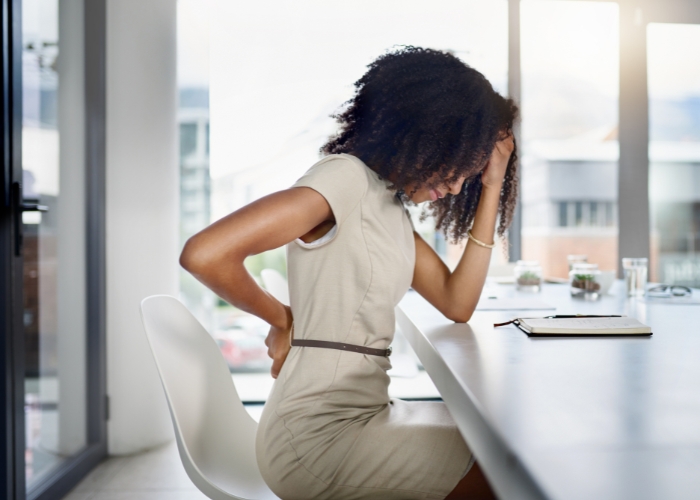
- Dull ache in the lower back
- Pressure or fullness in the lower back area
- Pain that worsens during periods or after long periods of standing
- Radiating pain into the hips or legs if nerves are involved
Keep in mind, back pain alone does not always mean fibroids are the cause. Other conditions, such as herniated discs or muscle strain, can also lead to similar symptoms.
When Should You See a Doctor?
It is important to talk to your doctor if you have back pain combined with symptoms like
- Heavy or irregular menstrual bleeding
- Pelvic pain or pressure
- Frequent urination or difficulty emptying the bladder
- Bloating or abdominal enlargement
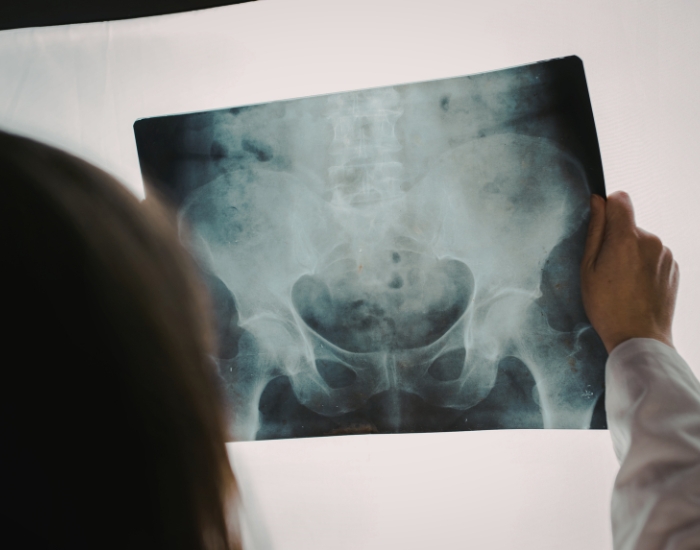
A healthcare provider can perform a thorough evaluation, including ultrasound or other imaging, to determine if fibroids are the source of your back pain.
How Is Fibroid-Related Back Pain Treated?
Treatment depends on the size, number, and location of the fibroids, as well as your symptoms and health goals. Options may include
- Monitoring if symptoms are mild
- Medications to shrink fibroids or control symptoms
- Minimally invasive procedures such as uterine artery embolization
- Surgical treatments like myomectomy or hysterectomy in more severe cases
Final Thoughts
While not all fibroids cause back pain, large or posterior fibroids can certainly contribute to lower back or hip discomfort. The good news is, you do not have to live with the pain or keep guessing about what is causing it.
Talking with a knowledgeable healthcare provider can help you get the answers you need and explore treatment options that are right for you. With the right care, many women find relief and regain their comfort, confidence, and quality of life.
Blog Disclaimer
This blog is for informational purposes only and is not a substitute for professional medical advice, diagnosis, or treatment. Always consult your physician or a qualified healthcare provider if you have any questions or concerns about a medical condition.