
Uterine fibroids are incredibly common — yet many women suffer in silence.
Maybe your periods have become heavier over time. You feel pressure in your lower abdomen. You are constantly tired from blood loss. Or perhaps your doctor mentioned fibroids during a routine ultrasound, and now you are wondering: Do I need surgery? Is this dangerous? Are there other options?
If you are searching for fibroid treatment in Houston, you deserve clear answers, compassionate guidance, and treatment that fits your goals — not a one-size-fits-all solution.
Let’s break everything down so you can make an informed decision.
What Are Uterine Fibroids?
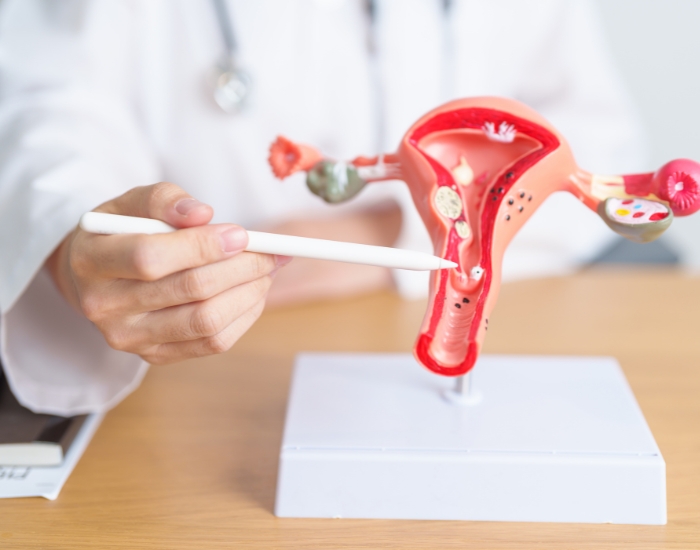
Uterine fibroids are noncancerous growths that develop in or around the uterus. They are made of muscle and fibrous tissue and can vary in size from very small (like a seed) to large masses that enlarge the uterus.
Fibroids are extremely common, especially in women between ages 30 and 50. Many women have fibroids and don’t even realize it.
There are several types:
- Intramural (within the uterine wall)
- Submucosal (inside the uterine cavity)
- Subserosal (outside the uterus)
- Pedunculated (attached by a stalk)
The type, size, and location of fibroids determine whether they cause symptoms — and whether treatment is necessary.
Common Symptoms of Fibroids
Not all fibroids cause symptoms. However, when they do, they can significantly affect daily life.
Heavy Menstrual Bleeding
One of the most common symptoms is abnormally heavy periods. You may experience:
- Bleeding longer than 7 days
- Passing large blood clots
- Soaking through pads or tampons every hour
- Needing double protection
- Iron-deficiency anemia
Pelvic Pain or Pressure
Fibroids can cause:
- Pelvic heaviness
- Lower abdominal bloating
- Back pain
- Pain during intercourse
- Pressure on the bladder (frequent urination)
- Constipation
Large fibroids may make you look or feel bloated as if you are pregnant.
When Is Fibroid Treatment Needed?
Not all fibroids require treatment.
Treatment is typically recommended when:
- Bleeding causes anemia
- Pain interferes with daily life
- Fibroids grow rapidly
- Fertility is affected
- Pressure symptoms become uncomfortable
- You experience recurrent pregnancy loss
If fibroids are small and symptom-free, monitoring may be enough.
However, if symptoms are disrupting your quality of life, exploring fibroid treatment options is the next step.
Early treatment often prevents complications and avoids more invasive procedures later.
Do Fibroids Always Need Surgery?
No — and this is a common misconception.
Surgery is not automatically required. Many women can successfully manage fibroids with non-surgical treatments, depending on:
- Size and location
- Severity of symptoms
- Desire for future fertility
- Overall health
The key is individualized evaluation by a specialist in female pelvic medicine.
Non-Surgical Fibroid Treatment Options
Many women are relieved to learn that surgery is not always the first step.
1. Hormonal Medications
Birth control pills, hormonal IUDs, or progesterone therapy can reduce heavy bleeding and regulate cycles.
These do not eliminate fibroids but can improve symptoms.
2. Tranexamic Acid
This non-hormonal medication reduces heavy menstrual bleeding during periods.
3. GnRH Agonists
These medications temporarily shrink fibroids by lowering estrogen levels. They are often used short-term before surgery or in women nearing menopause.
4. Uterine Artery Embolization (UAE)
A minimally invasive radiology procedure that blocks blood supply to fibroids, causing them to shrink.
This option may not be ideal for women desiring future pregnancy.
5. Watchful Waiting
If fibroids are mild and manageable, regular monitoring may be sufficient.
Surgical Fibroid Treatment Options
When fibroid symptoms are severe, persistent, or affecting fertility, surgical treatment may be recommended. The type of surgery depends on the size, number, and location of the fibroids, as well as your future pregnancy plans and overall health goals.
A myomectomy is a procedure that removes fibroids while preserving the uterus. It is often recommended for women who wish to maintain fertility or avoid hysterectomy. Depending on the complexity of the case, myomectomy can be performed hysteroscopically (through the vagina without external incisions), laparoscopically using minimally invasive techniques, robotically for enhanced precision, or through open surgery in more complex situations involving large or multiple fibroids.
A hysterectomy, which involves removal of the uterus, is considered a permanent solution for fibroids. This option is typically recommended when symptoms are severe, fibroids are very large or numerous, or when childbearing is complete. In many cases, minimally invasive hysterectomy techniques are available, which can significantly reduce recovery time, discomfort, and overall surgical risk.
Fertility Considerations
Fibroids can sometimes interfere with fertility, depending on their size and location.
Submucosal fibroids (inside the uterine cavity) are most likely to affect implantation or increase miscarriage risk.
Women who wish to preserve fertility typically benefit from:
- Conservative management
- Myomectomy
- Personalized surgical planning
A fertility-preserving approach is always prioritized when desired.
Are Fibroids Dangerous?
Fibroids are almost always benign (noncancerous). Cancerous fibroids are extremely rare.
However, untreated fibroids can cause:
- Severe anemia
- Chronic pelvic pain
- Urinary problems
- Reduced quality of life
While not usually life-threatening, they can significantly impact your health and well-being.
Where Can You Get Fibroid Treatment in Houston?
If you are searching for fibroid treatment in Houston, it is important to choose a specialist trained in advanced gynecology and female pelvic medicine.
Women in Houston and Katy have access to expert care at Katy Women’s Pelvic Health, where personalized, minimally invasive treatment plans are designed to restore comfort and confidence.
About Dr. Solafa Elshatanoufy, MD
Dr. Solafa Elshatanoufy is a specialist in Urogynecology and Female Pelvic Medicine and Reconstructive Surgery, dedicated to helping women regain comfort, confidence, and quality of life. She is board-certified in Obstetrics and Gynecology, Female Pelvic Medicine and Reconstructive Surgery (Urogynecology), and Advanced Minimally Invasive Gynecology. In addition to her medical training, she holds a Doctorate in Pharmacy (PharmD) from the Philadelphia College of Pharmacy, giving her a uniquely comprehensive understanding of women’s health and medical management. Let us help you reclaim your life — don’t suffer in silence. Early consultation often leads to the best outcomes.
Schedule an Appointment for Fibroid Treatment in Houston
If heavy bleeding, pelvic pain, or fibroids are interfering with your daily life, you do not have to face it alone. Persistent symptoms can affect your energy, fertility, and overall well-being, but early evaluation can make a significant difference. Timely treatment may help prevent anemia, preserve fertility, reduce pain, avoid emergency complications, and restore your quality of life.
Take the first step toward relief and personalized care. Call us today at (281) 957-6787 to schedule your appointment.
Frequently Asked Questions
Do fibroids always need surgery?
No. Many fibroids can be managed with medications, hormonal therapy, or minimally invasive procedures. Surgery is typically recommended only when symptoms are severe, fertility is affected, or non-surgical treatments are ineffective.
What is the best treatment for fibroids?
The best treatment depends on your symptoms, age, fibroid size and location, and fertility goals. Options range from hormonal therapy to minimally invasive surgery. A personalized evaluation is essential to determine the right approach.
Can fibroids go away naturally?
Fibroids rarely disappear completely on their own. However, they may shrink after menopause when estrogen levels decline. In some cases, symptoms improve without intervention.
Where can I get treatment in Houston?
Women seeking fibroid treatment in Houston can receive specialized care at Katy Women’s Pelvic Health, serving Houston, Katy, and nearby communities with advanced and minimally invasive treatment options.
Are fibroids dangerous?
Fibroids are almost always noncancerous. While not typically life-threatening, they can cause significant bleeding, anemia, pain, and fertility challenges if left untreated.
Final Thoughts
Fibroids are common — but suffering from them should not be.
You deserve answers. You deserve options. And you deserve a treatment plan tailored to your body, your goals, and your future.
Whether you need simple monitoring, medication, minimally invasive treatment, or surgery, the right specialist can help you move forward with confidence.
Relief is possible — and it starts with the right consultation.
Medical Disclaimer: This article is for educational purposes only and does not replace professional medical advice. If you are experiencing symptoms related to fibroids or heavy bleeding, please consult a qualified healthcare provider for proper evaluation and treatment.