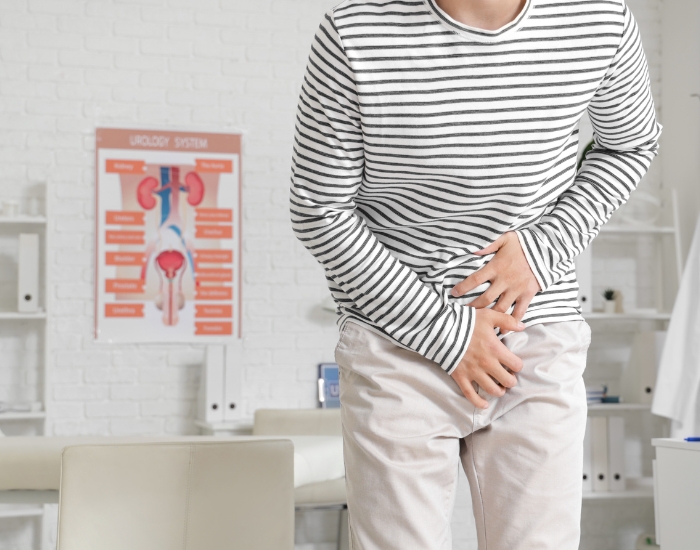

Many women notice urine leakage when coughing, laughing, or sneezing, a condition known as stress incontinence. Although it is common, it can be frustrating and impact confidence, daily activities, and social life. Understanding the causes, triggers, and treatment options for stress incontinence is essential to regain control and improve quality of life.
If you are searching for effective urinary incontinence treatment, early evaluation by a specialist can help determine the best approach, whether conservative or surgical.
What is Stress Incontinence?
Stress incontinence occurs when the bladder leaks urine during physical activity or pressure on the abdomen, such as coughing, laughing, sneezing, or exercise. Unlike other types of incontinence, stress incontinence is not caused by infection or overactive bladder muscles; it results from weakened pelvic floor muscles and connective tissues that can no longer adequately support the bladder and urethra.
Women with stress incontinence may notice small leaks that are triggered by sudden movements, bending, or lifting. While the amount of urine lost may be minimal, repeated episodes can lead to embarrassment, frustration, and avoidance of certain activities. Understanding why this happens and the treatment options available can help women regain confidence and control.
Causes of Stress Incontinence
Several factors can contribute to stress incontinence, including:
1. Childbirth and Vaginal Delivery
Pregnancy and vaginal childbirth can stretch and weaken the pelvic floor muscles, connective tissue, and nerves that support the bladder. This weakening increases the risk of stress incontinence later in life, especially if multiple pregnancies or large babies are involved.
2. Aging and Menopause
Aging naturally reduces muscle tone, and decreased estrogen after menopause can affect the strength and elasticity of the tissues supporting the bladder. These changes can make women more prone to stress incontinence.
3. Chronic Pressure or Strain
Factors like obesity, chronic coughing, heavy lifting, or constipation can place extra strain on the pelvic floor, contributing to stress incontinence over time.
4. Genetic Predisposition
Some women may have inherently weaker connective tissue, increasing susceptibility to stress incontinence, even without major life events like childbirth.
Understanding these causes can help women take preventive measures and seek treatment early to reduce the impact of stress incontinence.
Common Triggers
Stress incontinence is often noticed during activities that increase abdominal pressure, including:
-
Coughing, sneezing, or laughing
-
Exercising, running, or jumping
-
Bending, lifting, or reaching
-
Standing up quickly after sitting
Recognizing these triggers can help women anticipate episodes and take steps to minimize leaks. Combining awareness with pelvic floor strengthening exercises and other therapies can significantly improve bladder control and reduce the frequency of leaks.
Non-Surgical Treatments
For many women, non-surgical treatments are effective in managing stress incontinence. These approaches focus on strengthening the pelvic floor, improving bladder support, and reducing abdominal pressure during activities.
Pelvic Floor Exercises
Also known as Kegel exercises, pelvic floor strengthening is the foundation of stress incontinence treatment. These exercises target the muscles that support the bladder and urethra, improving control over urine flow. A consistent routine guided by a pelvic floor specialist can produce significant improvement over weeks to months.
Lifestyle Modifications
Adjustments such as maintaining a healthy weight, avoiding heavy lifting, treating chronic cough, and managing constipation can reduce strain on the bladder and pelvic floor. These strategies complement other stress incontinence treatments and may even prevent progression.
Bladder Training and Behavioral Techniques
Scheduled voiding, timed fluid intake, and strategies to delay urination can help retrain the bladder and reduce the urgency associated with stress incontinence.
These non-surgical approaches are safe, effective, and often the first recommended line of treatment for women experiencing mild to moderate stress incontinence.
Surgical Options
For women with moderate to severe stress incontinence or those who do not respond to non-surgical treatments, surgical options may be considered.
Minimally Invasive Sling Procedures
A common surgical treatment involves placing a supportive sling under the urethra to restore proper positioning and prevent urine leakage during increased abdominal pressure.
Urethral Bulking Injections
This procedure involves injecting material around the urethra to strengthen closure and reduce leaks. It is often used for women who are not ideal candidates for sling surgery.
Other Reconstructive Surgeries
Depending on the individual, additional pelvic reconstructive procedures may be recommended to improve support for the bladder and urethra.
A urogynecologist or pelvic floor specialist will evaluate each case to determine the most appropriate surgical approach and discuss expected outcomes, risks, and recovery timelines.
Prevention Tips
While not all cases of stress incontinence can be prevented, certain strategies may reduce risk or slow progression:
-
Regular pelvic floor exercises to maintain muscle strength
-
Healthy body weight to reduce pressure on the bladder
-
Avoiding chronic straining from constipation or heavy lifting
-
Managing chronic coughing or respiratory conditions
Combining these preventive measures with early intervention can minimize the impact of stress incontinence and improve overall pelvic health.
Diagnosis and Evaluation
Evaluation begins with a detailed medical history and discussion of symptoms. Your specialist may ask about:
-
Frequency and triggers of urine leakage
-
History of pregnancies, surgeries, or pelvic injuries
-
Lifestyle factors affecting the pelvic floor
Additional tests may include:
-
Physical pelvic exam to assess muscle strength and organ support
-
Urinalysis to rule out infection
-
Bladder diary or urodynamic testing to measure bladder function and flow
Accurate diagnosis ensures that treatment for stress incontinence is tailored to the individual, maximizing effectiveness and long-term results.
When to See a Specialist
It is recommended to consult a pelvic pain doctor or urogynecologist if you experience:
-
Frequent leaks when coughing, sneezing, or laughing
-
Leakage that affects daily activities or social life
-
Persistent symptoms despite lifestyle changes
-
Pain, discomfort, or urinary tract infections associated with leakage
Early evaluation allows for timely management and can prevent progression of stress incontinence, improving confidence and quality of life.
About Dr. Solafa Elshatanoufy
Dr. Solafa Elshatanoufy, MD is a board-certified urogynecologist and female pelvic medicine specialist with over 21 years of experience. She completed her OB-GYN residency and urogynecology fellowship at Wayne State University in Michigan. Dr. Solafa specializes in urinary incontinence, pelvic floor disorders, and bladder health, providing both non-surgical and advanced minimally invasive treatments.
Schedule an Appointment in Katy TX
If you are experiencing urine leakage, frequent urgency, or other symptoms of stress incontinence, it’s important not to wait. Early evaluation and treatment can significantly improve bladder control, reduce discomfort, and restore your confidence in daily activities.
At Katy Women’s Pelvic Health, we offer same-day and next-available appointments to ensure timely care. Our experienced team, led by Dr. Solafa Elshatanoufy, provides personalized assessments and a full range of treatment options—from pelvic floor therapy and lifestyle strategies to advanced minimally invasive procedures.
Take the first step toward regaining control and comfort. Call us today at (281) 957-6787 to schedule your appointment and begin a tailored plan for managing stress incontinence effectively.
Frequently Asked Questions
Why do I leak urine when coughing?
Leaking urine when coughing, laughing, or sneezing is a hallmark symptom of stress incontinence caused by weakened pelvic floor muscles and loss of support for the bladder and urethra.
Is stress incontinence common?
Yes, stress incontinence affects many women, especially after childbirth, menopause, or pelvic surgeries. It is one of the most common types of urinary incontinence.
Can it be treated without surgery?
Mild to moderate stress incontinence is often successfully managed with pelvic floor exercises, lifestyle modifications, and behavioral therapies. Surgery is reserved for persistent or severe cases.
What exercises help?
Pelvic floor exercises (Kegels) are highly effective for improving bladder control in stress incontinence. A pelvic floor specialist can guide proper technique and a consistent routine.
Who treats this condition?
A urogynecologist, pelvic floor specialist, or pelvic pain doctor can diagnose and manage stress incontinence, providing both non-surgical and surgical treatment options.
Final Thoughts
Leaking urine during coughing, laughing, or physical activity can be distressing, but stress incontinence is a manageable condition. With a combination of pelvic floor therapy, lifestyle changes, and advanced treatments, many women regain control and confidence. Early evaluation by Katy Women’s Pelvic Health ensures an accurate diagnosis and personalized treatment plan tailored to each patient’s needs. Whether you need urinary incontinence treatment, guidance for pelvic floor exercises, or surgical options, timely care can restore comfort, function, and quality of life.
Disclaimer: This article is for educational purposes only and does not replace professional medical advice. Consult your healthcare provider for personalized guidance.