
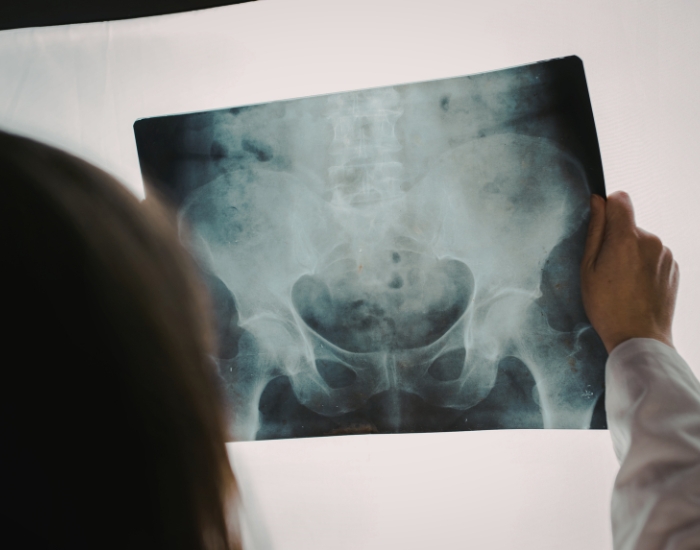
Pelvic organ prolapse (POP) is a condition many women experience but rarely discuss. It occurs when one or more pelvic organs—such as the bladder, uterus, or rectum—drop from their normal position and press against the vaginal walls. This can lead to pressure, bulging, and discomfort, affecting daily life, intimacy, and confidence.
If you are searching for pelvic organ prolapse treatment in Katy TX, understanding the causes, symptoms, and treatment options can help you take control and improve your quality of life.
What is Pelvic Organ Prolapse?
Pelvic organ prolapse occurs when the pelvic floor muscles and connective tissues weaken or stretch, failing to support the organs in the pelvis. This can result in organs dropping lower than their normal position. Common types of prolapse include:
-
Cystocele – bladder prolapse into the vaginal wall
-
Rectocele – rectum bulging into the vaginal wall
-
Uterine prolapse – uterus descending into the vaginal canal
-
Enterocele – small intestine protruding into the vagina
The severity can range from mild to significant, sometimes causing noticeable bulging, discomfort, or urinary and bowel changes. Early recognition and treatment are important to prevent worsening symptoms.
Causes of Pelvic Organ Prolapse
Several factors contribute to pelvic organ prolapse, including:
1. Childbirth and Vaginal Delivery
Pregnancy and vaginal delivery can stretch and weaken pelvic floor muscles and connective tissues, increasing the risk of prolapse later in life.
2. Aging and Menopause
Aging naturally weakens muscles, and decreased estrogen after menopause can reduce tissue strength, contributing to prolapse.
3. Chronic Pressure or Strain
Conditions such as chronic coughing, obesity, heavy lifting, or constipation can place extra pressure on the pelvic floor.
4. Genetics
Some women may have a predisposition to weaker connective tissues, increasing susceptibility to prolapse.
Recognizing these risk factors can help you take preventive steps, such as strengthening the pelvic floor and maintaining healthy habits.
Symptoms of Pelvic Organ Prolapse
Symptoms vary depending on the type and severity of prolapse. Common signs include:
1. Pelvic Pressure or Heaviness
Many women describe a feeling of fullness or pressure in the pelvic area, especially after prolonged standing or activity.
2. Vaginal Bulging
A visible or palpable bulge in the vagina may be noticed, often worsening with straining, lifting, or coughing.
3. Discomfort or Pain
Mild discomfort may progress to pain during physical activity, sexual intercourse, or even daily movement.
4. Urinary Changes
Difficulty urinating, urinary incontinence, or frequent urinary tract infections can accompany prolapse.
5. Bowel Changes
Constipation, straining, or a feeling of incomplete emptying can occur with rectocele or enterocele.
If you notice any of these symptoms, early evaluation by a urogynecologist in Katy TX is recommended to prevent progression.
When to Seek Care
Prompt consultation is important if:
-
Symptoms interfere with daily activities or quality of life
-
You notice a vaginal bulge or pressure
-
Urinary or bowel changes are present
-
Pain or discomfort worsens with activity
Early intervention allows for non-surgical measures and better long-term outcomes. For expert guidance, you can schedule a consultation with a pelvic floor therapy specialist in Katy TX.
Diagnosis & Evaluation
Evaluation typically begins with a comprehensive pelvic exam to assess the degree of prolapse. Your doctor may also order:
-
Ultrasound or imaging – to visualize internal organs and identify prolapse
-
Urodynamic testing – if urinary symptoms are present
-
Medical history review – including childbirth, surgeries, and lifestyle factors
Based on findings, a personalized treatment plan is developed to restore function and relieve symptoms.
Treatment Options for Pelvic Organ Prolapse
The approach to treating pelvic organ prolapse depends on the severity of the prolapse, the symptoms you are experiencing, and your personal preferences. Both non-surgical and surgical options are available, and the right plan is tailored to each patient to restore comfort, function, and quality of life.
Non-Surgical Treatments
For mild prolapse or as an initial step, non-surgical treatments are often highly effective. One common option is the use of pessary devices, which are removable supports inserted into the vagina to help hold the pelvic organs in their proper position. Pessaries can provide immediate relief from pressure, bulging, or urinary symptoms without the need for surgery.
Pelvic floor therapy is another cornerstone of conservative management. Through guided exercises, patients strengthen the muscles that support the bladder, uterus, and rectum. This improves overall pelvic support, reduces bulging, and can even help prevent further progression of prolapse.
In addition to devices and therapy, lifestyle modifications play a significant role in managing prolapse. Maintaining a healthy weight, avoiding heavy lifting, and addressing chronic conditions such as constipation or persistent coughing can reduce strain on the pelvic floor. Combined, these non-surgical approaches often improve symptoms and may delay or eliminate the need for surgery.
Surgical Treatments
Surgery is typically considered for moderate to severe prolapse or when symptoms interfere significantly with daily life, urinary or bowel function, or sexual activity. Surgical options are designed to restore pelvic organ position and strengthen the support structures of the pelvis.
Minimally invasive pelvic reconstructive surgery is commonly used to reposition organs and reinforce the pelvic floor, offering effective results with smaller incisions and faster recovery compared to traditional surgery. In some cases, uterine suspension or hysterectomy may be performed depending on the type and severity of prolapse, while mesh or native tissue repairs can be used to strengthen weakened areas and provide long-lasting support.
Before proceeding, a urogynecologist will carefully discuss the potential risks and benefits of surgery, outline recovery expectations, and help determine which procedure is most appropriate for your individual needs. With proper planning and follow-up, surgical treatments can significantly improve comfort, function, and overall quality of life for women with prolapse.
Recovery Expectations
Recovery varies depending on the type of treatment.
-
Pessary use – immediate relief with ongoing maintenance
-
Pelvic floor therapy – gradual improvement over weeks to months
-
Surgery – recovery may take several weeks, with gradual return to normal activities
Most patients can resume daily life after following their doctor’s recommendations for activity restrictions, pelvic floor exercises, and follow-up visits.
About Dr. Solafa Elshatanoufy
Dr. Solafa Elshatanoufy, MD is a board-certified urogynecologist specializing in female pelvic medicine and reconstructive surgery. She completed her OB-GYN residency and urogynecology fellowship at Wayne State University in Michigan and has over 21 years of experience. Dr. Solafa also holds a Doctorate in Pharmacy (PharmD) and is affiliated with Memorial Hermann Northwest Hospital.
Her expertise includes urinary incontinence, overactive bladder, and pelvic organ prolapse, offering both conservative and surgical solutions.
Schedule an Appointment in Katy TX
Early evaluation and treatment of pelvic organ prolapse can prevent complications and improve quality of life. Katy Women’s Pelvic Health offers same-day and next-available appointments to ensure timely care.
📞 Call: (281) 957-6787
Book appointment for pelvic organ prolapse treatment.
Frequently Asked Questions
What are symptoms of prolapse?
Symptoms can include pelvic pressure, vaginal bulging, urinary or bowel changes, and discomfort during physical activity or intimacy.
Can prolapse heal without surgery?
Mild prolapse may improve with pelvic floor therapy, lifestyle modifications, and pessary use, though more advanced cases often require surgery.
Is pelvic prolapse serious?
While not life-threatening, untreated prolapse can worsen over time, causing discomfort, urinary or bowel issues, and impact on daily activities.
What doctor treats prolapse?
A urogynecologist or pelvic floor specialist evaluates and treats pelvic organ prolapse with both non-surgical and surgical approaches.
Where to get treatment in Katy TX?
Specialized care is available at Katy Women’s Pelvic Health, providing both conservative and advanced treatment options close to your community.
Final Thoughts
Pelvic organ prolapse is common, but effective treatment is available. From pelvic floor therapy and pessaries to advanced reconstructive surgery, women have multiple options to restore comfort, function, and confidence. Early evaluation with a urogynecologist in Katy TX allows for a tailored plan, preventing worsening symptoms and supporting long-term pelvic health. With the expertise of specialists, patients can regain control, reduce discomfort, and improve their quality of life. Don’t wait—taking action early provides the best chance for successful outcomes and lasting relief.
Disclaimer: This article is for educational purposes only and does not replace professional medical advice. Please consult your healthcare provider for personalized guidance.