

Few symptoms can interrupt daily life as unexpectedly as a sudden wave of intense warmth that seems to come out of nowhere. One moment you’re comfortable, and the next you’re flushing, sweating, and searching for the nearest fan or cooler room. For many women, these episodes happen repeatedly, making work, social events, exercise, and even sleep more challenging than they should be.
Although hot flashes are often associated with menopause, they are not limited to women in midlife. Hormonal fluctuations, certain medications, thyroid disorders, stress, infections, and several other health conditions can also trigger sudden sensations of heat. Understanding what’s happening inside your body is the first step toward finding lasting relief instead of simply coping with uncomfortable symptoms.
Important Note
Frequent hot flashes are more than just an inconvenience. While they commonly occur during menopause, they can also signal hormone imbalances or other medical conditions that deserve attention. Learning what causes these episodes, recognizing accompanying symptoms, and knowing when to seek medical care can help prevent unnecessary discomfort and identify underlying health concerns before they become more serious.
Table of Contents
- What Are Hot Flashes?
- Why Do Hot Flashes Happen?
- Common Symptoms That Accompany Hot Flashes
- Are Hot Flashes Always Caused by Menopause?
- Other Medical Conditions That Can Cause Sudden Heat Sensations
- Who Is More Likely to Experience Frequent Hot Flashes?
- How Doctors Diagnose the Cause
- Treatment Options
- When Should You Be Concerned?
- Can Hot Flashes Be Prevented?
- Women’s Health Care in Katy, TX
- Frequently Asked Questions
What Are Hot Flashes?
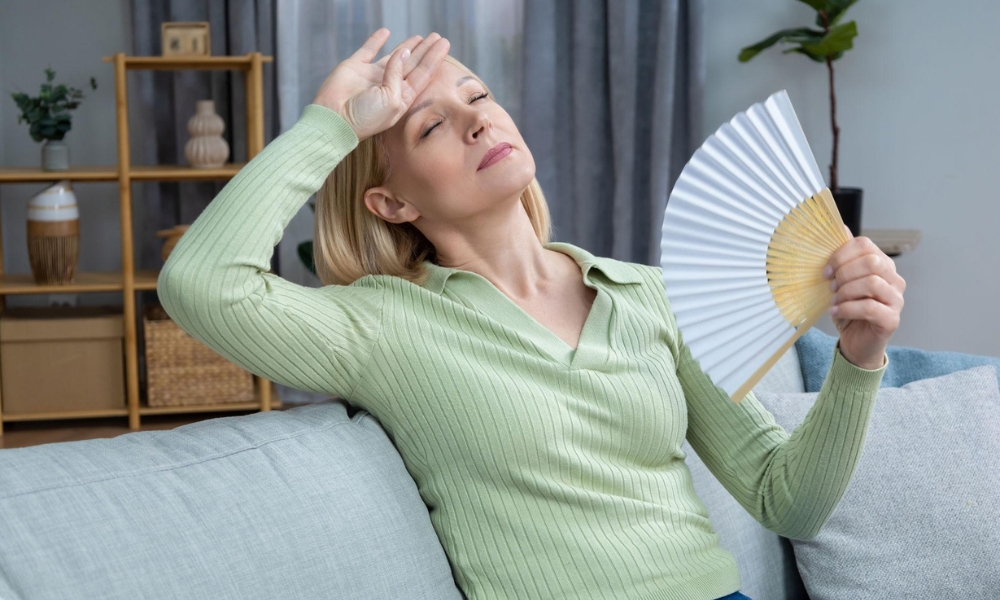
A hot flash is a sudden feeling of intense warmth that usually spreads across the face, neck, chest, and upper body. Unlike simply feeling warm because of the weather or physical activity, a hot flash often develops without warning and may last anywhere from several seconds to several minutes.
Many women describe the sensation as if someone suddenly turned on an internal heater. Their skin becomes flushed, perspiration increases rapidly, and they may even notice their heart beating faster. Afterward, it’s common to feel chilled as the body cools down.
These episodes vary significantly from person to person. Some women experience only an occasional hot flash every few weeks, while others may have multiple episodes throughout the day and several more during the night. Nighttime episodes, often called night sweats, can repeatedly interrupt sleep, leaving women exhausted and affecting their quality of life.
Because hormones play a central role in regulating body temperature, many women experiencing persistent symptoms benefit from an evaluation through specialized women’s health services in Katy, especially when symptoms begin affecting daily activities.

Why Do Hot Flashes Happen?
Your body’s temperature is carefully regulated by an area of the brain called the hypothalamus. Think of it as your internal thermostat. It constantly monitors body temperature and makes small adjustments to keep you comfortable.
Hormones—particularly estrogen—help this thermostat function properly. When estrogen levels fluctuate or decline, the hypothalamus becomes much more sensitive to even tiny changes in body temperature.
As a result, the brain mistakenly believes your body is overheating, even when it isn’t. It quickly responds by widening blood vessels near the skin and activating sweat glands to cool you down. This rapid response creates the familiar sensation of a hot flash.
This explains why many women notice facial redness, sweating, and a sudden feeling of intense warmth that seems disproportionate to the surrounding environment.
Hormonal changes remain the most common cause, but they’re certainly not the only explanation. Several medical conditions can influence temperature regulation, making a proper evaluation important when symptoms are frequent or unusual.
Common Symptoms That Accompany Hot Flashes
Although the hallmark symptom is sudden warmth, many women experience several additional symptoms during an episode.
The most recognizable sign is flushing of the face and upper chest. Some women notice their ears becoming noticeably red, while others describe a burning sensation that gradually spreads across the neck and shoulders.
Excessive sweating frequently follows. Depending on the intensity, clothing may become damp within minutes, and nighttime episodes can require changing sleepwear or bed linens.
Other symptoms often include:
- Rapid heartbeat
- Sudden anxiety or nervousness
- Feeling overheated despite a cool room
- Chills after sweating stops
- Difficulty concentrating
- Interrupted sleep
- Temporary dizziness
- Fatigue from repeated nighttime episodes
Some women begin anticipating another hot flash after experiencing several in public settings. This anxiety itself may make symptoms feel even more noticeable, creating a frustrating cycle that affects emotional well-being alongside physical comfort.
Are Hot Flashes Always Caused by Menopause?
The short answer is no.
While menopause is undoubtedly the leading cause of frequent hot flashes, many women are surprised to learn that these symptoms can begin years before menopause officially occurs.
During perimenopause, hormone production becomes increasingly unpredictable. Estrogen levels may rise dramatically one week and decline the next. These fluctuations can trigger hot flashes even while menstrual periods continue.
Once menopause occurs—defined as going twelve consecutive months without a menstrual period—estrogen levels stabilize at much lower levels. Many women continue experiencing hot flashes for several years afterward, although their frequency and intensity usually decrease over time.
For women whose symptoms significantly interfere with daily life, individualized evaluation may determine whether therapies such as hormone replacement therapy are appropriate based on their overall health, medical history, and personal treatment goals.
It’s important to remember that menopause is only one piece of the picture. Younger women, women who have undergone certain medical treatments, and even individuals with unrelated health conditions may experience similar symptoms.
Other Medical Conditions That Can Cause Sudden Heat Sensations
When frequent hot flashes occur outside the typical menopausal age range—or are accompanied by unusual symptoms—healthcare providers consider several other possible causes.
Thyroid Disorders
An overactive thyroid gland increases metabolism throughout the body. As metabolism speeds up, the body generates more heat, often causing persistent warmth, sweating, rapid heartbeat, nervousness, and unintended weight loss. Many women initially mistake these symptoms for menopause before thyroid testing reveals the true cause.
Certain Medications
Prescription medications can sometimes interfere with the body’s temperature regulation. Certain antidepressants, hormone therapies, medications used to treat breast cancer, blood pressure medications, and some pain medications have all been associated with flushing episodes.
If symptoms begin shortly after starting a new medication, your healthcare provider may review whether an adjustment could help.
Stress and Anxiety
Emotional stress activates the body’s fight-or-flight response, causing adrenaline levels to rise. This natural reaction increases heart rate, redirects blood flow, and can create sensations remarkably similar to hot flashes.
Women experiencing chronic stress often report that emotionally difficult situations trigger episodes more frequently than physical temperature changes.
Infections and Fever
Some infections produce repeated waves of warmth followed by chills as the body attempts to regulate temperature. Unlike menopausal hot flashes, these episodes are often accompanied by fever, body aches, or other signs of illness.
Rare Hormonal Conditions
Although uncommon, certain endocrine disorders and hormone-producing tumors can also lead to repeated flushing episodes. These conditions are much less frequent than menopause or thyroid disease but may be considered when symptoms are severe or atypical.
Understanding these possibilities is one reason physicians perform a thorough medical history rather than assuming every woman with hot flashes is simply entering menopause.
Who Is More Likely to Experience Frequent Hot Flashes?
Not every woman experiences hot flashes in the same way. Some may have only a handful of episodes during the menopausal transition, while others continue dealing with them for several years. Researchers have found that several factors can increase both the likelihood and severity of these sudden sensations of heat.
Age remains one of the strongest influences. Women in their forties and fifties are most likely to notice hormonal changes associated with perimenopause and menopause. However, younger women can also experience hot flashes after certain surgeries, cancer treatments, or because of underlying hormonal disorders.
Genetics also appear to play a role. If your mother or sisters experienced severe hot flashes, you may be more likely to develop similar symptoms. Although genetics cannot predict exactly how your body will respond, family history often provides useful clues.
Body weight may contribute as well. Excess body fat can make it more difficult for the body to regulate temperature efficiently, potentially increasing the intensity or frequency of hot flashes. Maintaining a healthy weight may improve overall comfort for some women, though it is rarely the only factor involved.
Lifestyle habits also matter. Smoking has consistently been associated with earlier menopause and more severe vasomotor symptoms. Heavy alcohol consumption, excessive caffeine intake, chronic stress, and poor sleep quality may also worsen symptoms in susceptible individuals.
Women who have undergone hysterectomy with removal of the ovaries often experience a sudden drop in estrogen, leading to abrupt and sometimes intense hot flashes. Likewise, certain cancer treatments that suppress ovarian function may trigger symptoms much earlier than expected.
Understanding these risk factors helps healthcare providers develop individualized treatment plans rather than assuming every woman’s experience is identical.
Important Note
Experiencing hot flashes does not automatically mean something serious is wrong. For many women, these episodes are a normal part of hormonal changes. However, persistent symptoms, unusually severe episodes, or hot flashes accompanied by other concerning signs deserve professional evaluation. Avoid trying to diagnose yourself based solely on internet searches. A thorough medical assessment can determine whether your symptoms are related to menopause, another hormone imbalance, thyroid disease, medication effects, or another underlying condition.
How Doctors Diagnose the Cause of Frequent Hot Flashes
Diagnosing frequent hot flashes begins with listening carefully to your symptoms. While many cases are related to menopause, healthcare providers avoid making assumptions without understanding the full picture.
Your physician will usually ask when the hot flashes started, how often they occur, how long they last, and whether they happen during the day, at night, or both. They may also ask about your menstrual cycle, medications, family history, stress levels, and any recent illnesses or surgeries.
Many women are surprised to learn that details such as whether symptoms wake them from sleep, occur after eating certain foods, or happen during stressful situations can provide valuable diagnostic clues.
Medical History
A comprehensive medical history often reveals patterns that point toward the underlying cause. Questions may include:
- Are your menstrual periods becoming irregular?
- Have you noticed mood changes or vaginal dryness?
- Do you have unexplained weight loss or weight gain?
- Have you started any new medications recently?
- Do you have thyroid disease or other hormone disorders?
- Are you experiencing heart palpitations or anxiety?
The answers help distinguish menopause-related symptoms from thyroid disorders, medication side effects, infections, or other medical conditions.
Physical Examination
A physical examination allows your provider to assess your overall health while looking for signs that may explain your symptoms. Blood pressure, heart rate, thyroid enlargement, skin changes, and other physical findings may offer important clues.
Depending on your symptoms, your physician may also recommend evaluation through a specialized urogynecology clinic in Katy, particularly if hot flashes occur alongside bladder concerns, pelvic discomfort, or menopausal symptoms affecting quality of life.
Laboratory Testing
Blood tests are not always necessary, especially if menopause is strongly suspected based on age and symptoms. However, laboratory testing may be recommended in younger women or when symptoms are unusual.
Common laboratory evaluations may include thyroid function tests, hormone levels, blood sugar testing, complete blood counts, or other studies depending on your medical history.
The goal is not simply to confirm menopause but also to rule out other treatable conditions that may mimic menopausal hot flashes.
Treatment Options for Frequent Hot Flashes
The best treatment depends entirely on the underlying cause. There is no one-size-fits-all solution because every woman’s hormonal health, medical history, and treatment goals are different.
Hormone Replacement Therapy (HRT)
For many healthy women experiencing moderate to severe menopausal symptoms, hormone replacement therapy remains one of the most effective treatment options. By replacing declining estrogen levels, HRT can significantly reduce both the frequency and intensity of hot flashes while also improving sleep quality and vaginal health.
Modern hormone therapy is highly individualized. Physicians carefully consider factors such as age, personal and family medical history, cardiovascular health, breast cancer risk, and the severity of symptoms before recommending treatment.
Women considering treatment often benefit from discussing personalized options with specialists offering hormone replacement therapy in Katy, where treatment plans can be tailored to their specific health needs.
Non-Hormonal Medications
Not every woman is a candidate for hormone therapy. Fortunately, several non-hormonal prescription medications have been shown to reduce hot flashes in certain patients.
These medications may be especially appropriate for women with a history of hormone-sensitive cancers, blood clotting disorders, or other medical conditions that make estrogen therapy unsuitable.
Your healthcare provider will discuss the benefits, potential side effects, and expected results before recommending any medication.
Lifestyle Adjustments
Simple lifestyle changes may not eliminate hot flashes completely, but they often reduce their frequency and severity when practiced consistently.
Many women notice improvement by dressing in lightweight layers that can easily be removed during an episode. Sleeping in a cooler bedroom, using breathable bedding, and keeping a portable fan nearby may also help reduce nighttime discomfort.
Identifying personal triggers can be equally beneficial. Common triggers include:
- Hot beverages
- Spicy foods
- Alcohol
- Caffeine
- Emotional stress
- Warm environments
- Tight clothing
Keeping a symptom diary for several weeks can help identify patterns that might otherwise go unnoticed.
Stress Management
Although stress does not directly cause menopause, it can intensify symptoms. Deep breathing exercises, meditation, yoga, regular physical activity, and mindfulness techniques may help reduce the frequency of stress-triggered hot flashes while improving sleep and emotional well-being.
Many women find that combining healthy lifestyle habits with appropriate medical treatment provides the greatest overall improvement.
Treating Underlying Medical Conditions
If thyroid disease, medication side effects, infections, or another medical problem is responsible for frequent sensations of heat, treating that condition often leads to substantial symptom improvement.
This is why obtaining an accurate diagnosis is so important. Simply treating the symptom without identifying the underlying cause may delay appropriate care.
How Hot Flashes Can Affect Daily Life
Hot flashes are often discussed as a simple symptom of menopause, but for many women, they affect nearly every aspect of daily living. Repeated episodes can interrupt meetings, social gatherings, travel, exercise routines, and even simple conversations.
Night sweats are particularly disruptive because they interfere with restorative sleep. Women may wake multiple times each night feeling overheated, only to become chilled after sweating subsides. Over weeks or months, poor sleep can contribute to daytime fatigue, irritability, reduced concentration, and decreased productivity.
Some women begin avoiding social situations because they worry about having a visible hot flash in public. Others report decreased confidence at work when symptoms occur during presentations or important meetings.
These emotional effects are just as important as the physical symptoms. Effective treatment focuses on improving overall quality of life—not simply reducing the number of hot flashes.
When Should You Be Concerned About Frequent Hot Flashes?
While hot flashes are often a normal part of hormonal changes, they should not automatically be dismissed—especially if they are severe, begin unexpectedly, or occur alongside other concerning symptoms. Paying attention to the bigger picture can help determine whether further medical evaluation is needed.
You should schedule an appointment with a healthcare provider if your hot flashes are becoming more frequent, disrupting your sleep, interfering with work or daily activities, or affecting your emotional well-being. Persistent symptoms deserve attention because effective treatment options are available, and you don’t have to simply “live with them.”
It’s also important to seek medical care if your symptoms are accompanied by unexplained weight loss, persistent fever, chest pain, difficulty breathing, fainting, severe heart palpitations, or prolonged dizziness. These symptoms may indicate a condition unrelated to menopause and require prompt evaluation.
Women younger than 40 who begin experiencing frequent hot flashes should also speak with a healthcare professional. Although early menopause is possible, hormone disorders, thyroid disease, autoimmune conditions, or other medical issues may also be responsible.
If you’ve already gone through menopause but suddenly develop new or worsening symptoms years later, it’s worth discussing them with your physician rather than assuming they’re simply part of aging.
Every woman’s experience is unique, and there is no benefit in suffering through symptoms that may be treatable.
Can Hot Flashes Be Prevented?
There is no guaranteed way to prevent hot flashes, particularly when they are caused by the natural hormonal changes of menopause. However, many women find that a combination of healthy lifestyle habits and personalized medical care significantly reduces both the frequency and intensity of their symptoms.
Maintaining a healthy body weight supports overall hormonal health and may improve the body’s ability to regulate temperature. Regular physical activity not only benefits cardiovascular health but can also improve mood, sleep quality, and stress management.
Eating a balanced diet rich in fruits, vegetables, whole grains, lean proteins, and healthy fats supports general wellness. Although no specific “hot flash diet” exists, many women notice fewer symptoms when limiting spicy foods, excessive caffeine, and alcohol if these trigger episodes.
Managing stress is equally important. Whether through yoga, meditation, deep breathing exercises, walking outdoors, or simply setting aside time for relaxation, reducing chronic stress may lessen stress-induced flushing episodes.
Sleep hygiene also deserves attention. Keeping the bedroom cool, wearing lightweight sleepwear, using breathable bedding, and maintaining a consistent sleep schedule can improve comfort and reduce nighttime awakenings caused by night sweats.
For women whose symptoms remain moderate to severe despite lifestyle changes, discussing medical treatment options with a specialist can provide significant relief.
Living Well During Menopause and Beyond
Many women worry that frequent hot flashes mean they’ll never feel like themselves again. Fortunately, that’s rarely the case. While hormonal transitions can certainly be challenging, they are manageable with the right combination of education, support, and medical care.
Understanding what your body is experiencing often reduces anxiety. Instead of wondering why you’re suddenly overheating during a meeting or waking up drenched in sweat at night, you begin to recognize these episodes as symptoms with identifiable causes and effective treatments.
Open communication with your healthcare provider is equally valuable. Too many women delay discussing menopausal symptoms because they believe discomfort is simply something they must tolerate. In reality, modern treatment options continue to evolve, allowing physicians to personalize care based on each woman’s health history, lifestyle, and preferences.
Whether your symptoms are mild or significantly affecting your quality of life, seeking guidance early can help you remain active, sleep better, and continue enjoying the activities that matter most.
Women’s Health Care for Hot Flashes in Katy, TX
If you’re experiencing frequent hot flashes or sudden sensations of heat, you don’t have to navigate these changes alone. While menopause is a natural stage of life, persistent symptoms deserve thoughtful evaluation to determine whether they’re related to hormonal changes or another underlying condition.
At Katy Urogynecologist, women receive individualized care focused on understanding the root cause of their symptoms and developing treatment plans that fit their health goals and lifestyle. Whether you’re entering perimenopause, considering hormone therapy, or looking for non-hormonal treatment options, an experienced specialist can help you make informed decisions.
In addition to menopause management, comprehensive women’s treatment options are available for a wide range of pelvic health and urogynecologic conditions. If you’re ready to discuss your symptoms, you can conveniently schedule an appointment for a personalized evaluation.
Women from Katy, Houston, Sugar Land, Richmond, Cypress, Fulshear, and surrounding communities trust experienced urogynecologic care to help them navigate hormonal changes with confidence and improve their overall quality of life.
Frequently Asked Questions
What causes frequent hot flashes besides menopause?
Although menopause is the most common cause, hot flashes can also result from thyroid disorders, certain medications, anxiety, infections, hormone imbalances, or, in rare cases, endocrine conditions. A medical evaluation can help identify the underlying cause.
How long do hot flashes usually last?
An individual hot flash typically lasts between 30 seconds and five minutes, although some may continue longer. Many women experience symptoms for several years during and after menopause, but the duration varies widely from person to person.
Are night sweats the same as hot flashes?
Night sweats are essentially hot flashes that occur during sleep. They often cause excessive sweating, disrupted sleep, and fatigue the following day.
Can stress make hot flashes worse?
Yes. Emotional stress can activate the body’s stress response, making hot flashes more frequent or more noticeable. Stress management techniques may help reduce symptom severity for many women.
Should I see a doctor if my hot flashes are mild?
Even mild symptoms are worth discussing if they become more frequent, interfere with sleep, affect your quality of life, or occur with unusual symptoms. Your healthcare provider can determine whether additional evaluation or treatment would be beneficial.
Is hormone replacement therapy safe?
Hormone replacement therapy is considered safe and effective for many healthy women when prescribed appropriately. However, treatment should always be individualized after reviewing your medical history, personal risk factors, and treatment goals with your healthcare provider.
Can diet help reduce hot flashes?
While diet alone usually doesn’t eliminate hot flashes, avoiding personal triggers such as spicy foods, alcohol, or excessive caffeine may reduce episodes in some women. A balanced diet also supports overall hormonal and cardiovascular health.
When should I seek immediate medical attention?
Seek urgent medical care if sudden sensations of heat occur with chest pain, severe shortness of breath, fainting, confusion, or other emergency symptoms. These are not typical menopausal hot flashes and require prompt evaluation.
Final Thoughts
Frequent hot flashes or sudden sensations of heat are among the most common symptoms women experience during hormonal transitions, but they should never be ignored or simply accepted as something you must endure. Whether your symptoms are related to menopause, perimenopause, thyroid disease, medications, or another medical condition, understanding the underlying cause is the key to effective treatment.
With today’s personalized approaches to women’s healthcare, many women experience significant improvement through lifestyle modifications, non-hormonal therapies, hormone replacement therapy when appropriate, or treatment of an underlying condition. The sooner symptoms are evaluated, the sooner you can begin feeling more comfortable, sleeping better, and returning to your normal daily routine.
Medical Disclaimer
This article is intended for educational purposes only and should not be considered medical advice, diagnosis, or treatment. Every woman’s medical history and symptoms are unique. If you are experiencing persistent hot flashes, sudden sensations of heat, or any concerning symptoms, consult a qualified healthcare provider for a comprehensive evaluation and personalized treatment recommendations. If you experience chest pain, difficulty breathing, fainting, or other emergency symptoms, seek immediate medical attention.