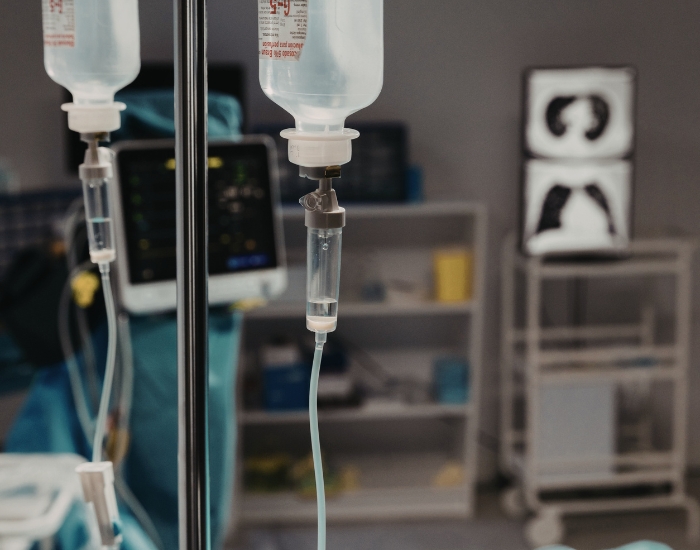

Staying hydrated is essential for overall health, energy, and well-being. While drinking water is often sufficient, certain circumstances—such as illness, travel, or physical exhaustion—may make it challenging to maintain optimal hydration. In such cases, drip intravenous (IV) therapy can be a helpful solution.
IV drips deliver fluids, electrolytes, and sometimes vitamins directly into the bloodstream, allowing the body to absorb nutrients quickly and efficiently. This method bypasses the digestive system, providing faster hydration and potential benefits for energy, recovery, and overall wellness. Understanding the uses, benefits, and safety of drip intravenous therapy can help you make informed health decisions.
Table of Contents
- What is Drip Intravenous Therapy?
- How Drip Intravenous Works
- Common Uses for General Health and Hydration
- Benefits of Drip Intravenous Therapy
- Who Can Benefit from IV Drips
- Safety Considerations and Best Practices
- Tips to Support Hydration Alongside IV Therapy
- FAQs About Drip Intravenous
- Final Thoughts
1. What is Drip Intravenous Therapy?
A drip intravenous is a medical procedure in which fluids, electrolytes, or nutrients are administered directly into a vein. This allows the substances to enter the bloodstream quickly, providing faster hydration and nutrient delivery than oral intake. IV therapy is commonly used in hospitals and clinics for medical conditions, but it has also gained popularity for wellness purposes, such as energy support, hydration during travel, or recovery from physical exertion. Unlike drinking water or taking oral supplements, IV therapy bypasses the digestive tract. This makes it particularly useful for people who are dehydrated, have difficulty absorbing nutrients, or need rapid replenishment of fluids and electrolytes.
2. How Drip Intravenous Works
IV therapy involves placing a small catheter, often in the arm, through which fluids are slowly infused. The solution typically contains a mixture of water, electrolytes (like sodium, potassium, and magnesium), and sometimes vitamins or antioxidants. The infusion rate is carefully controlled using a drip system or pump, ensuring that the body receives the fluids steadily over a period of 20–60 minutes, depending on the individual’s needs. Because the nutrients enter directly into the bloodstream, the body can use them immediately, which makes IV therapy a highly effective method for rapid hydration and recovery.
3. Common Uses for General Health and Hydration
IV drips are increasingly used for wellness purposes, beyond emergency medical care. Some common applications include:
- Rehydration after illness such as flu, gastrointestinal upset, or fever
- Boosting energy levels when feeling fatigued or run-down
- Recovery from intense physical activity or dehydration after exercise
- Support during travel to prevent jet lag and fluid imbalance
- Supplemental nutrients such as vitamin C, B-complex vitamins, or antioxidants
While IV therapy should not replace regular hydration and nutrition, it can be a supportive tool for specific circumstances where rapid replenishment is needed.
4. Benefits of Drip Intravenous Therapy
The benefits of drip intravenous therapy extend beyond simple hydration. Some key advantages include:
- Rapid hydration: Quickly restores fluid balance in the body
- Electrolyte replenishment: Maintains nerve and muscle function
- Energy and wellness support: May reduce fatigue and improve overall vitality
- Efficient nutrient delivery: Vitamins and minerals bypass digestion for faster absorption
- Recovery support: Can aid recovery after illness, exercise, or travel
Many people report feeling more energized, alert, and balanced after an IV therapy session, making it a popular choice for wellness-focused care.
5. Who Can Benefit from IV Drips
Drip intravenous therapy can support a variety of people who need rapid hydration or nutrient replenishment. Those experiencing mild to moderate dehydration due to illness, heat, or physical exertion often benefit from an IV drip. Athletes or active individuals may use it to speed recovery after intense workouts, while travelers sometimes turn to IV therapy to counteract jet lag or long flights. Additionally, people with nutrient deficiencies or conditions that reduce absorption may find IV therapy useful in restoring vital vitamins and electrolytes efficiently. However, IV therapy is not suitable for everyone, and a healthcare provider should assess whether it is appropriate based on an individual’s health status, medical history, and personal needs.
6. Safety Considerations and Best Practices
While IV therapy is generally safe, it must always be administered by trained healthcare professionals in a controlled, sterile environment. Minor side effects, such as temporary bruising or discomfort at the insertion site, can occur, but serious complications are rare. To ensure safety, it is important to choose a licensed clinic, communicate any medical conditions or allergies to the provider, and follow instructions regarding pre- and post-therapy hydration and nutrition. Individuals with severe heart, kidney, or liver conditions should only receive IV therapy under strict medical supervision. By following these best practices, patients can safely enjoy the benefits of drip intravenous therapy with minimal risk.
7. Tips to Support Hydration Alongside IV Therapy
IV therapy can be most effective when combined with healthy daily habits that support fluid balance and overall wellness. Drinking adequate water throughout the day remains essential, as does consuming foods rich in electrolytes, such as bananas, leafy greens, and nuts. Limiting excessive caffeine and alcohol helps prevent additional fluid loss, while regular sleep supports proper hormone regulation and cellular hydration. Engaging in moderate physical activity improves circulation, helping fluids and nutrients distribute efficiently throughout the body. By integrating these habits alongside IV therapy, individuals can maximize the benefits for energy, recovery, and general health.
8. FAQs About Drip Intravenous
Q1: What is a drip intravenous used for in wellness?
IV therapy can rapidly rehydrate the body, replenish electrolytes, and provide vitamins for energy and recovery.
Q2: How long does an IV drip take?
A typical session lasts 20–60 minutes, depending on the type of fluids and nutrients being administered.
Q3: Is drip intravenous safe for healthy individuals?
Yes, when administered by a trained professional and with proper medical guidance, IV therapy is generally safe.
Q4: Can IV drips improve energy levels?
Many people report increased energy and reduced fatigue after IV therapy, thanks to rapid hydration and nutrient delivery.
Q5: How often should someone receive IV drips for general wellness?
Frequency varies by individual needs. Occasional sessions can support hydration and recovery, but daily use is usually unnecessary without medical supervision.
9. Final Thoughts
Drip intravenous therapy offers a convenient, effective way to support hydration, nutrient replenishment, and general wellness. While it should not replace water intake or balanced nutrition, IV therapy can be especially useful for recovery after illness, travel, or intense physical activity. Understanding how it works, its benefits, and safety considerations ensures a positive and supportive experience.
If you are interested in supporting your health and hydration with IV therapy, professional guidance is key. Katy Women’s Pelvic Health provides safe, evidence-based IV drip therapy tailored to your individual wellness needs.
Medical Disclaimer: This content is for educational purposes only and does not replace professional medical advice, diagnosis, or treatment. Always consult a licensed healthcare provider before starting IV therapy or any new wellness intervention.