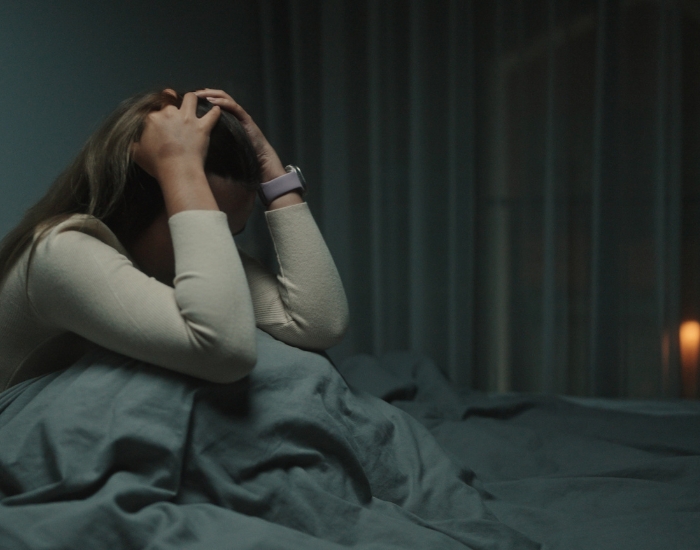
Hot flashes and night sweats are some of the most common and disruptive symptoms women experience in their late 30s, 40s, and 50s. For many, these episodes appear suddenly—bringing intense warmth, sweating, and sleep disturbances that interfere with daily life.
If you have experienced sudden waves of heat or woken up drenched in sweat, you may be wondering: Is this normal? Is it menopause? Or is something else going on?
In many cases, hot flashes women experience are directly linked to hormonal imbalance in women, particularly during perimenopause and menopause. Understanding why these symptoms occur can help you find effective relief.
Table of Contents
- What Are Hot Flashes and Night Sweats?
- Why Do Hot Flashes Happen?
- The Hormonal Connection
- Perimenopause Symptoms and Hot Flashes
- Severity and Frequency of Episodes
- Night Sweats: Female Causes Explained
- Other Symptoms That Often Appear Together
- Treatment Options for Relief
- When to See a Specialist
- Care Available in Katy and Greater Houston
- Experienced Care You Can Trust
- Final Thoughts
- FAQs
What Are Hot Flashes and Night Sweats?
Hot flashes are sudden sensations of intense heat that typically affect the face, neck, and upper chest. They can occur without warning and may last anywhere from 30 seconds to several minutes.
Common symptoms include:
- Flushing of the skin
- Sudden sweating
- Rapid heartbeat
- A feeling of anxiety or discomfort
- Chills once the episode passes
Night sweats are similar episodes that occur during sleep. These can be particularly disruptive and may cause:
- Waking up drenched in sweat
- Needing to change clothes or bedding
- Interrupted sleep cycles
- Ongoing fatigue during the day
For some women, episodes happen occasionally. For others, they occur multiple times per day or night.
Why Do Hot Flashes Happen?
Hot flashes are primarily caused by changes in the body’s internal temperature regulation system. This system is controlled by the hypothalamus, a part of the brain that responds to hormonal signals.
When hormone levels fluctuate, especially estrogen, the brain becomes more sensitive to small changes in body temperature. This can trigger sudden heat sensations even when the body temperature is normal.
Contributing factors may include:
- Hormonal fluctuations
- Stress or anxiety
- Spicy foods
- Alcohol or caffeine
- Smoking
- Certain medications
- Underlying medical conditions
However, for most women in midlife, the primary cause of hot flashes is hormonal.
The Hormonal Connection
Estrogen plays a key role in stabilizing the body’s temperature control system. During perimenopause and menopause, estrogen levels fluctuate unpredictably and eventually decline.
This leads to:
- Sudden heat sensations
- Increased sweating
- Blood vessel dilation
- Difficulty maintaining stable body temperature
These changes are classic signs of menopause hot flashes and may also reflect hormonal imbalance sweating patterns.
As estrogen declines, the temperature “thermostat” in the brain becomes overly sensitive. Even minor changes in temperature can trigger a hot flash response.
Perimenopause Symptoms and Hot Flashes
Perimenopause can begin in a woman’s late 30s or 40s and may last several years before menopause officially occurs.
During this time, women often experience:
- Irregular menstrual cycles
- Mood swings
- Sleep disturbances
- Fatigue
- Weight changes
- Brain fog
Perimenopause symptoms hot flashes are often among the first noticeable signs of hormonal transition. Some women experience mild warmth, while others have severe episodes that significantly disrupt daily life.
Because hormone levels fluctuate during perimenopause rather than steadily decline, symptoms may feel unpredictable.
Severity and Frequency of Episodes
Hot flashes vary widely in intensity and frequency.
Mild Episodes
Occasional warmth without significant sweating or disruption.
Moderate Episodes
Noticeable heat and perspiration that may interrupt activities or sleep.
Severe Episodes
Frequent and intense episodes that disrupt sleep, work, and overall quality of life.
Persistent or severe symptoms can lead to chronic sleep deprivation, irritability, reduced productivity, and emotional strain.
Night Sweats: Female Causes Explained
While menopause is the most common reason, there are other night sweats female causes to consider.
These include:
- Thyroid disorders
- Infections
- Certain medications
- Anxiety disorders
- Blood sugar fluctuations
Because symptoms overlap, proper medical evaluation helps determine whether night sweats are menopause-related or caused by another condition.
Other Symptoms That Often Appear Together
Hot flashes and night sweats rarely occur alone. When combined with other symptoms, they strongly indicate hormonal imbalance.
Look for:
- Sleep disturbances
- Persistent fatigue
- Mood swings or irritability
- Anxiety
- Low libido
- Weight gain
- Brain fog
When multiple symptoms occur together, it often reflects menopause or perimenopause-related hormonal changes.
Treatment Options for Relief
Relief begins with identifying the root cause. Many women find significant improvement with a personalized care plan.
Lifestyle Adjustments
Simple changes may reduce symptom frequency:
- Maintain a cool sleeping environment
- Dress in breathable layers
- Avoid spicy foods, caffeine, and alcohol
- Practice stress management techniques
- Stay physically active
- Maintain a healthy weight
These strategies can help, especially for mild symptoms.
Medical Evaluation
A comprehensive evaluation may include:
- Hormone level testing
- Thyroid function testing
- Review of medical history
- Symptom assessment
Identifying whether symptoms stem from menopause or another condition ensures appropriate treatment.
Effective Treatment
Depending on severity and health history, treatment options may include:
- Non-hormonal medications
- Lifestyle-based interventions
- Medical management strategies
- Hormone Replacement Therapy
Many women experience significant relief with treatment for hormonal imbalance, particularly when symptoms are moderate to severe. When properly prescribed and monitored, hormone therapy can stabilize estrogen levels and reduce hot flashes dramatically.
Care Available in Katy and Greater Houston
Women experiencing hot flashes women commonly report during midlife can explore options such as:
Patients are served in Katy, Houston, Cypress, Richmond, Fulshear, and Spring. Early evaluation helps prevent prolonged discomfort and sleep disruption.
When to See a Specialist
You should consider consulting a specialist if:
- Hot flashes occur frequently
- Night sweats disrupt sleep regularly
- Symptoms interfere with work or relationships
- You experience multiple hormonal symptoms
- You feel your quality of life is declining
A urogynecologist in Katy can evaluate your symptoms, assess hormonal health, and guide a personalized treatment plan.
Experienced Care You Can Trust
With over 21 years of experience, Dr. Solafa Elshatanoufy is a board-certified specialist in obstetrics and gynecology, as well as female pelvic medicine and reconstructive surgery. She completed advanced training at Wayne State University and holds a Doctorate in Pharmacy (PharmD), providing a comprehensive and patient-focused approach to women’s health. Affiliated with Memorial Hermann Northwest Hospital, she is committed to helping women find lasting relief and improved quality of life through individualized care.
Final Thoughts
Hot flashes and night sweats are not symptoms you need to silently endure.
For many women, they are signs of hormonal changes that can be effectively managed. While mild episodes may be manageable with lifestyle adjustments, persistent or severe symptoms often benefit from medical evaluation and targeted treatment.
With proper care, many women experience significant relief, improved sleep, and renewed comfort in their daily lives.
FAQs
Are hot flashes normal in your 40s?
Yes. They are common during perimenopause due to hormonal fluctuations, particularly changes in estrogen levels.
What is the best treatment for hot flashes?
Treatment depends on severity and overall health. Options may include lifestyle modifications, non-hormonal therapies, or hormone replacement therapy when appropriate.
How long do menopause hot flashes last?
Hot flashes may last several years during perimenopause and menopause, though duration varies by individual.
Disclaimer: This content is for informational purposes only and does not replace professional medical advice. Always consult a qualified healthcare provider for accurate diagnosis and personalized treatment recommendations.