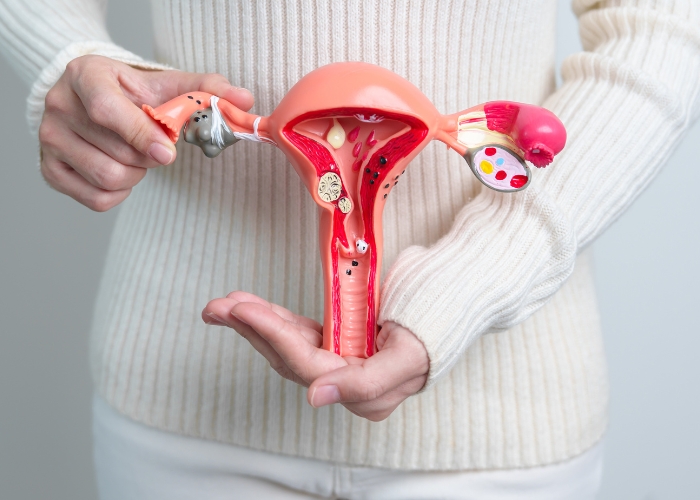

A pelvic organ prolapse is a form of pelvic floor problem that affects around 3% of women in the United States. Some women suffer from many pelvic floor disorders. Pelvic organ prolapse occurs when the muscles and tissues that support the pelvic organs (uterus, bladder, and rectum) weaken or loosen. This allows one or more pelvic organs to fall into or out of the vaginal opening. Many women are embarrassed to discuss their symptoms with their doctor or believe that they are typical. Pelvic organ prolapse, on the other hand, is curable.
What are the signs and symptoms of a prolapsed pelvic organ?
Prolapse can induce a protrusion in the vaginal wall, which can occasionally be felt or seen. During physical exertion or intercourse, women with pelvic organ prolapse may experience uncomfortable pressure.
Other signs and symptoms of a prolapsed pelvic organ include:
- A protrusion or "something coming out" of the vaginal canal might be seen or felt.
- In the pelvis, there is a sensation of tension, pain, hurting, or fullness.
- Standing or coughing causes increased pelvic pressure, which worsens as the day progresses.
- Incontinence (urinary incontinence) or bowel movement issues.
- Tampons are difficult to implant.
Some women claim that their symptoms are exacerbated at various times of the day, after physical activity, or after prolonged standing. Discuss the symptoms with the Uurogynecologist or doctor.
Pelvic Organ Prolapse: How Is It Diagnosed?
If a doctor suspects pelvic organ prolapse, they may request a range of tests. They may also want to know if more than one organ has prolapsed, how serious the prolapse is, and if you have any other health issues. The following tests may be performed:
- Bladder function tests assess how well your bladder and surrounding structures function.
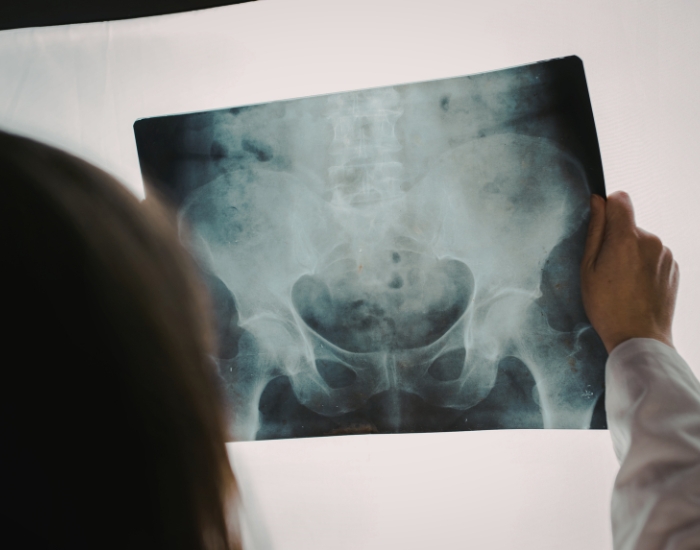
- An intravenous pyelography (urinary tract X-ray) allows the doctor to examine the kidneys, bladder, and ureters to assess how well they're operating.
- A voiding cystourethrogram involves taking X-rays of the bladder before and after peeing to see if the bladder or urethra is damaged.
- A CT scan of the pelvis can help your doctor rule out other diseases.
- An ultrasound of the pelvis generates an image of the pelvic organs, allowing the doctor to check if any of them have shifted out of place.
- An MRI scan of the pelvis can assist the doctor to confirm pelvic organ prolapse by creating a 3D image of the pelvic organs and muscles.
What happens during a doctor's visit
The doctor will inquire if an internal pelvic examination is possible. Patients will need to undress from the waist down and lie back on the examination bed for this. The doctor will then examine the pelvic area and vaginal area for any lumps. They may use a speculum to gently hold the walls of the vagina open so they can see whether there is a prolapse.