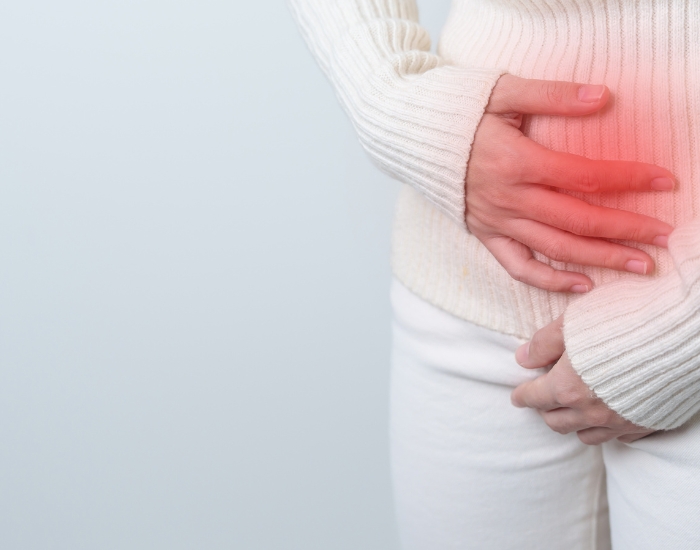
Heavy menstrual bleeding due to uterine fibroids is a common concern among women. Fibroids are noncancerous growths in the uterus that can cause prolonged, heavy periods, pelvic pain, and pressure on the bladder or bowel. While occasional heavy periods may be normal, persistent or severe bleeding can lead to anemia, fatigue, and disruption of daily life. Women in Katy experiencing these symptoms can benefit from expert evaluation and personalized treatment options. This guide explains causes, diagnosis, and effective treatment strategies for heavy bleeding fibroids.
Table of Contents
- Understanding Uterine Fibroids
- Symptoms of Heavy Bleeding Fibroids
- Causes and Risk Factors
- When to Seek Medical Attention
- Diagnosis and Evaluation
- Lifestyle and Supportive Measures
- Medications for Heavy Bleeding
- Minimally Invasive and Procedural Treatments
- Surgical Options for Fibroids
- Follow-Up and Long-Term Management
- When to See a Specialist
- Final Thoughts
1. Understanding Uterine Fibroids
Uterine fibroids are benign tumors that grow in the muscular wall of the uterus. They vary in size, number, and location, and can be asymptomatic or cause significant discomfort. Fibroids are classified based on their location:
- Submucosal: Just beneath the uterine lining; often cause heavy bleeding
- Intramural: Within the uterine wall; can cause pressure and bloating
- Subserosal: On the outer surface; may press on surrounding organs
Fibroids are common in women of reproductive age and tend to shrink after menopause.
2. Symptoms of Heavy Bleeding Fibroids
Heavy bleeding fibroids can present with a range of symptoms, including:
- Menstrual periods lasting longer than seven days
- Soaking through pads or tampons frequently
- Passing large blood clots
- Pelvic pain or pressure
- Frequent urination due to bladder compression
- Fatigue, weakness, or anemia from blood loss
Symptoms vary depending on fibroid size, location, and number, and may interfere with work, social life, or exercise.
3. Causes and Risk Factors
The exact cause of fibroids is unknown, but several factors increase the risk:
- Hormonal Influence: Estrogen and progesterone promote fibroid growth
- Genetics: Family history of fibroids increases susceptibility
- Age: Women in their 30s and 40s are more likely to develop fibroids
- Ethnicity: African American women are at higher risk
- Other Factors: Obesity, vitamin D deficiency, and early menstruation may contribute
Understanding these factors helps guide monitoring and treatment strategies.
4. When to Seek Medical Attention
Women should seek evaluation if they experience:
- Menstrual bleeding heavy enough to soak through multiple pads or tampons in an hour
- Periods lasting longer than a week
- Symptoms of anemia, such as fatigue, weakness, or shortness of breath
- Pelvic pain or pressure interfering with daily activities
- Frequent urination or difficulty emptying the bladder
Early evaluation prevents complications and helps tailor the most effective treatment plan.
5. Diagnosis and Evaluation
Diagnosing heavy bleeding fibroids typically begins with a detailed review of a woman’s medical history, including menstrual cycles, symptoms, and family history. A pelvic examination helps detect an enlarged uterus or irregularities. Imaging tests such as ultrasound confirm the size, number, and location of fibroids, while MRI may be used for more complex cases or surgical planning. Laboratory tests, including a complete blood count (CBC), are often performed to check for anemia caused by excessive bleeding. This comprehensive evaluation ensures an accurate diagnosis and helps guide the most appropriate treatment decisions.
6. Lifestyle and Supportive Measures
Although lifestyle changes cannot remove fibroids, they can help manage symptoms and improve overall well-being. Maintaining a balanced diet rich in iron and vitamin C can combat anemia caused by heavy bleeding. Avoiding excessive caffeine and alcohol may reduce bloating or discomfort, while regular exercise improves circulation and reduces pelvic pressure. Keeping a record of menstrual flow and associated symptoms also helps healthcare providers make informed treatment recommendations. These supportive measures are most effective when combined with medical or procedural interventions.
7. Medications for Heavy Bleeding
Medications can help reduce bleeding and manage fibroid-related symptoms. Nonsteroidal anti-inflammatory drugs (NSAIDs) can relieve pain and decrease menstrual flow. Hormonal therapies, including birth control pills, hormonal IUDs, or progesterone treatments, help regulate cycles and reduce bleeding. Gonadotropin-releasing hormone (GnRH) agonists temporarily shrink fibroids and may be used before surgery or procedural intervention. Tranexamic acid is another option that specifically reduces excessive menstrual bleeding. Medications are often the first-line treatment for mild to moderate symptoms and can be combined with other approaches for optimal results.
8. Minimally Invasive and Procedural Treatments
For women who do not respond to medications, minimally invasive procedures offer effective symptom relief. Uterine artery embolization (UAE) reduces blood flow to fibroids, causing them to shrink. Endometrial ablation destroys the uterine lining to reduce bleeding, though it is not suitable for women planning future pregnancies. MRI-guided focused ultrasound uses high-frequency ultrasound waves to target and destroy fibroids without surgery. These procedures generally reduce symptoms, preserve the uterus, and involve shorter recovery times compared to traditional surgery.
9. Surgical Options for Fibroids
In cases of severe symptoms or very large fibroids, surgery may be necessary. Myomectomy removes fibroids while preserving the uterus, making it suitable for women who wish to maintain fertility. Hysterectomy, the complete removal of the uterus, provides a definitive solution for fibroids and heavy bleeding. Minimally invasive surgical techniques, including laparoscopic or robotic-assisted surgery, offer shorter recovery times and less scarring. The choice of surgical approach depends on the size and location of fibroids, symptom severity, and reproductive goals.
10. Follow-Up and Long-Term Management
Regular follow-up is essential to monitor fibroid growth and manage ongoing symptoms. Blood work may be repeated to track anemia, and imaging tests can assess changes in fibroid size. Women should promptly report any return or worsening of symptoms. Maintaining lifestyle measures, taking iron supplements if needed, and attending routine gynecological visits help ensure long-term health and quality of life.
11. When to See a Specialist
Women experiencing heavy menstrual bleeding due to fibroids should consult a gynecologist or urogynecologist if bleeding interferes with daily life, symptoms do not improve with medications, there are concerns about fertility, or complications such as anemia or severe pain occur. Specialists at Katy Women’s Pelvic Health provide comprehensive evaluation and personalized treatment plans to effectively manage fibroids and improve overall well-being.
12. Final Thoughts
Heavy bleeding from fibroids can significantly affect a woman’s health and quality of life, but effective treatments are available. Early evaluation, accurate diagnosis, and a combination of lifestyle, medical, procedural, or surgical treatments can reduce symptoms, prevent complications, and restore comfort. Women experiencing persistent heavy periods should seek specialist care to explore tailored solutions.
If you are experiencing heavy menstrual bleeding due to fibroids, contact Katy Women’s Pelvic Health for expert evaluation and personalized treatment options. Their experienced team can help you regain control of your health and improve your quality of life.
Disclaimer: This content is for informational purposes only and is not a substitute for professional medical advice. Always consult a qualified healthcare provider for evaluation, diagnosis, and treatment of fibroids or abnormal bleeding.