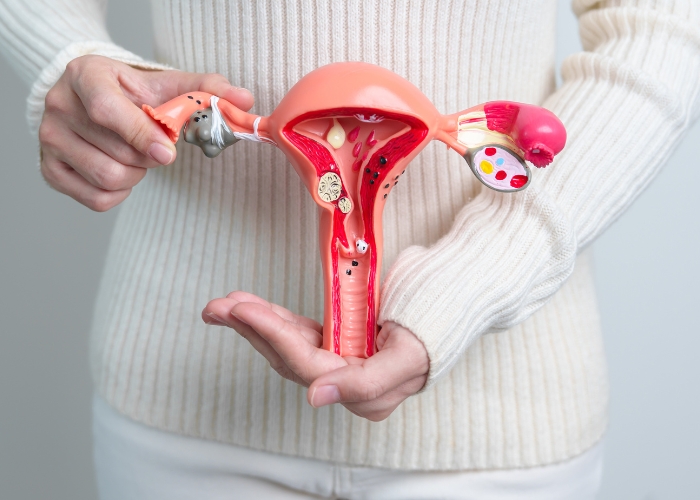
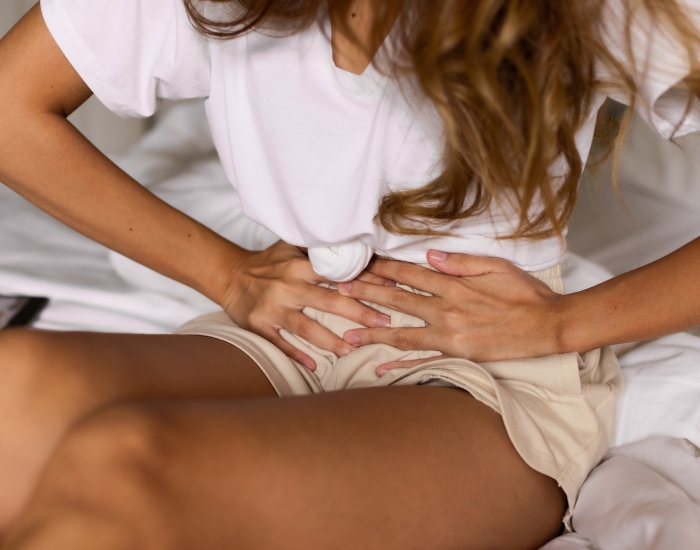
Pelvic pain and bladder pressure are common complaints among women and can range from occasional discomfort to chronic, life-altering conditions. These symptoms may result from urinary, gynecological, or musculoskeletal issues and can significantly affect daily life, sleep, and emotional well-being. Understanding the potential causes, risk factors, and treatment options is essential. This guide provides a comprehensive overview for women experiencing pelvic pain and bladder pressure, helping you identify when to seek professional care and what treatment options are available.
Table of Contents
- Understanding Pelvic Pain and Bladder Pressure
- Common Causes in Women
- Urinary Tract Infections (UTIs)
- Overactive Bladder and Interstitial Cystitis
- Pelvic Organ Prolapse
- Gynecological Conditions
- Musculoskeletal and Nerve-Related Causes
- Lifestyle and Dietary Triggers
- Diagnosis and Evaluation
- Non-Surgical Management and Therapy
- Medications and Advanced Treatments
- When to See a Specialist
- Final Thoughts
1. Understanding Pelvic Pain and Bladder Pressure
Pelvic pain is discomfort felt in the lower abdomen, pelvic floor, or reproductive organs. Bladder pressure is a sensation of fullness, heaviness, or discomfort in the bladder region, often accompanied by urinary urgency or frequency. While occasional pelvic discomfort can be normal, persistent or worsening pain and pressure may signal underlying medical issues. Symptoms can vary from mild soreness to severe, constant pain that affects daily activities.
2. Common Causes in Women
Pelvic pain and bladder pressure in women can result from several underlying conditions. Some of the most common include:
- Urinary Causes: Infections or bladder dysfunction can lead to discomfort and urgency.
- Gynecological Issues: Ovarian cysts, endometriosis, or menstrual-related changes may contribute to pelvic discomfort.
- Pelvic Floor Dysfunction: Weak or tense pelvic muscles can cause pain, pressure, and urinary symptoms.
- Systemic Conditions: Conditions such as irritable bowel syndrome or chronic fatigue may exacerbate pelvic discomfort.
3. Urinary Tract Infections (UTIs)
UTIs are a frequent cause of pelvic pain and bladder pressure in women. Bacterial infections in the bladder or urethra irritate the urinary lining, leading to symptoms such as burning, urgency, frequency, and lower abdominal discomfort. Prompt evaluation and antibiotic treatment are essential to prevent the infection from spreading to the kidneys, which can result in more severe complications.
4. Overactive Bladder and Interstitial Cystitis
Overactive bladder (OAB) and interstitial cystitis (IC) can cause chronic bladder pressure and pelvic pain. OAB is characterized by sudden urgency and frequent urination due to involuntary bladder contractions. IC, also known as painful bladder syndrome, involves chronic bladder inflammation, causing persistent pelvic discomfort, urgency, and sometimes pain during sexual activity. Both conditions may require a combination of lifestyle adjustments, pelvic floor therapy, and medications.
5. Pelvic Organ Prolapse
Pelvic organ prolapse occurs when the bladder, uterus, or rectum descends from its normal position due to weakened pelvic muscles. This can create a sensation of heaviness or pressure in the pelvic region, urinary difficulty, and discomfort during physical activity. Symptoms may worsen after long periods of standing, heavy lifting, or as the day progresses. Early recognition and management can prevent progression and improve comfort.
6. Gynecological Conditions
Several gynecological issues can contribute to pelvic pain and bladder pressure, including:
- Endometriosis: Growth of uterine tissue outside the uterus can cause chronic pelvic pain and pressure.
- Ovarian Cysts: Fluid-filled sacs on the ovaries may create localized pain and pressure symptoms.
- Menstrual-Related Changes: Hormonal fluctuations and menstrual cycles can intensify pelvic discomfort.
Proper evaluation by a gynecologist or urogynecologist is important to rule out these conditions and guide treatment.
7. Musculoskeletal and Nerve-Related Causes
Pelvic pain may also stem from the muscles, ligaments, or nerves in the pelvic region. Poor posture, tight hip muscles, or pelvic floor dysfunction can generate discomfort that radiates to the bladder. Nerve-related conditions, such as pudendal neuralgia, can create chronic pelvic pain and sensations of bladder pressure. Physical therapy and targeted exercises often help address these musculoskeletal contributors.
8. Lifestyle and Dietary Triggers
Certain lifestyle habits and dietary choices may exacerbate pelvic pain and bladder pressure:
- Caffeine, Alcohol, and Carbonated Drinks: Can irritate the bladder lining.
- High-Sodium Foods: May increase fluid retention and bladder pressure.
- Sedentary Lifestyle: Weak pelvic and core muscles may worsen pressure and pain.
- Stress: Emotional stress can heighten perception of pain and urinary urgency.
Monitoring triggers and making small adjustments can improve comfort.
9. Diagnosis and Evaluation
Accurate diagnosis is essential to determine the cause of pelvic pain and bladder pressure. Evaluation may include:
- Detailed medical history and symptom diary
- Physical and pelvic examination
- Urinalysis and urine culture to check for infection
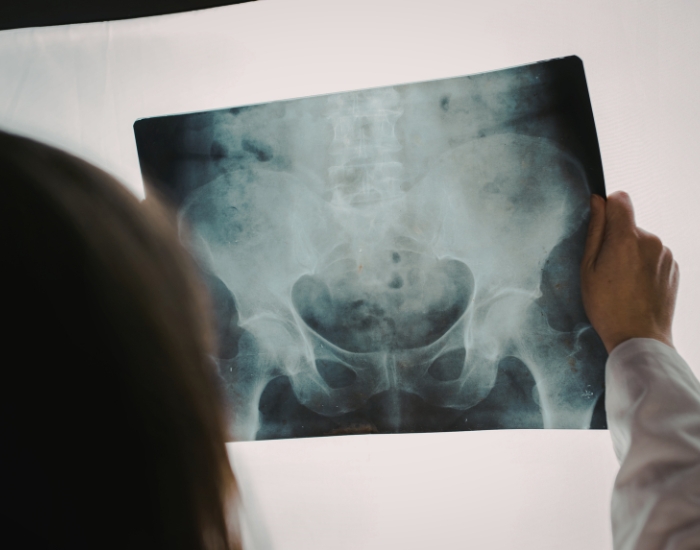
- Ultrasound or imaging to evaluate pelvic organs
- Urodynamic studies if bladder dysfunction is suspected
- Referral to a urogynecologist or female pelvic medicine specialist for complex cases
A comprehensive evaluation ensures tailored treatment and better outcomes.
10. Non-Surgical Management and Therapy
Non-surgical approaches are often effective in managing pelvic pain and bladder pressure in women. Pelvic floor therapy, including targeted exercises and biofeedback, can help strengthen and relax the pelvic muscles, providing better support and reducing discomfort. Bladder training techniques, such as timed voiding and urge suppression strategies, can improve bladder control and reduce frequent urges. Lifestyle modifications, including avoiding bladder irritants, maintaining a healthy weight, and staying physically active, also contribute to symptom relief. Additionally, stress management techniques like yoga, relaxation exercises, or mindfulness can help decrease muscle tension and lessen perceived pain. Consistent application of these strategies often leads to noticeable improvements in both comfort and quality of life over time.
11. Medications and Advanced Treatments
Medications may help manage bladder-related symptoms or pain associated with chronic pelvic conditions. Options include anticholinergics or beta-3 agonists for overactive bladder, topical estrogen for postmenopausal women, and pain management strategies for chronic pelvic discomfort. In select cases, advanced therapies such as Botox injections, nerve stimulation, or minimally invasive surgical interventions may be recommended. A specialist can determine the best approach based on individual needs.
12. When to See a Specialist
Women should seek professional care if pelvic pain and bladder pressure are persistent, worsening, or interfere with daily activities. Warning signs that warrant evaluation include severe or increasing pain, blood in the urine, recurrent urinary tract infections, or difficulty emptying the bladder completely. Consulting a urogynecologist or female pelvic medicine specialist at Katy Women’s Pelvic Health ensures a thorough assessment of the underlying cause and allows the development of an individualized treatment plan. Early evaluation and intervention can improve outcomes, prevent complications, and help women regain comfort and confidence.
13. Final Thoughts
Pelvic pain and bladder pressure in women are common but often treatable symptoms. Understanding potential causes — from bladder dysfunction and pelvic organ prolapse to gynecological and musculoskeletal issues — is the first step toward relief. Early evaluation, proper diagnosis, and a combination of lifestyle, therapy, and medical interventions can help women regain comfort, confidence, and control over their health.
If you are experiencing pelvic pain or bladder pressure, contact Katy Women’s Pelvic Health for expert evaluation and personalized treatment. Their specialized team can help identify the root cause and provide solutions tailored to your needs.
Disclaimer: This content is for informational purposes only and is not a substitute for professional medical advice. Always consult a qualified healthcare provider for diagnosis and treatment of pelvic or urinary concerns.