Uterine fibroids can occur in a lot of people at some point in their lives. But because they frequently have no symptoms, you might not even be aware that you have them. During a pelvic exam or pregnancy ultrasound, your doctor can by chance discover fibroids.
However, in this article, we will talk about the symptoms, causes and risk factors to make you concerned about uterine fibroids. No matter if you are a sufferer of such consequences or not, stay with us till the end for a better understanding of your health!
Table of Content
● What is Uterine fibroids
● Types of Uterine Fibroids
● Symptoms and Causes
● Treatment and risk factors
What are Fibroids?
Abnormal growths that form on or in the uterus are known as fibroids.
These tumors can occasionally grow extremely large, resulting in excruciating stomach pain and irregular periods. They typically have no symptoms or indicators at all.
Usually benign or noncancerous, the growths. There is no known cause of fibroids.
The following names are also used to describe fibroids:
● Uterine tumors
● fibromas
● myomas
● leiomyomas
● Urinary myomas
By the time they are 50 years old, 20% to 80% of women have them, according to the Office on Women's Health. Most people, however, don't experience any symptoms and might never be aware they have fibroids.
What are Uterine Fibroids?
Uterine fibroids are typical uterine growths. They frequently show up during the years when you can typically become pregnant and give birth. Both uterine fibroids and cancerous tumors are extremely rare. They don't appear to increase the risk of developing other uterine cancers either. They can also be referred to as myomas or leiomyomas.
The uterus's muscular tissue gives rise to uterine fibroids. They might also develop in the cervix, fallopian tubes, or tissues close to the uterus.
They can be as big as a melon or as small as you can't see them with the naked eye. There could be one or more fibroids. Treatment is not usually necessary for fibroids.
7 Common Symptoms of Uterine Fibroids
Many women with uterine fibroids have no symptoms at all. When this is the case, the position, size, and quantity of fibroids can affect symptoms.
Uterine fibroids' most typical signs and symptoms include:
1. uncomfortable periods or periods with heavy bleeding.
2. more prolonged or frequent intervals.
3. pelvic pressure or discomfort.
4. difficulty urinating or frequent urination.
5. expanding stomach region.
6. Constipation.
7. Lower back ache, stomach pain, or discomfort during intercourse.
Rarely, when a fibroid outgrows its blood supply and begins to die, it can produce abrupt, severe discomfort.
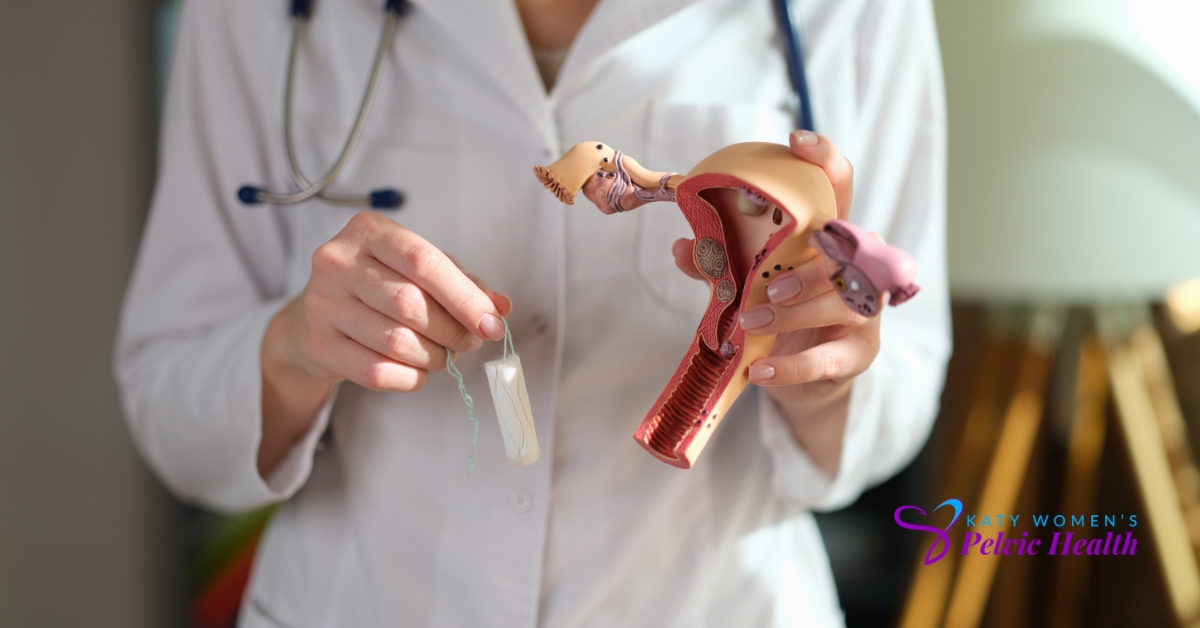
Localization is frequently used to classify fibroids. Intramural fibroids develop inside the uterus's musculoskeletal wall. The uterine cavity is protruded into by submucosal fibroids. Subserosal fibroids develop on the uterus's exterior.
Fibroids Vs. Cysts: How does it affect your pregnancy?
Another sort of development that can appear within the female reproductive system are ovarian cysts. Similar to fibroids, these fluid-filled sacs are noncancerous and frequently asymptomatic.
When symptoms do materialize, they may also cause bloating, pelvic pain, and alterations in the menstrual cycle. Learn more about the differences between fibroids and cysts.
But during pregnancy, your body produces more progesterone and estrogen. While you are pregnant, fibroids may form and expand quickly.
Despite this, pregnant women are still less likely than non-pregnant women to develop fibroids. A 2020 study found that just 0.1% to 3.9% of pregnant women get fibroids, but 20% to 40% of all women do. Find out more information on the relationship between fibroids and pregnancy.
What are the Causes of Uterine Fibroids?
Fibroids in the uterus are prevalent. During the years when a woman is capable of bearing children, up to one in five may have fibroids. By the age of 50, fibroids affect half of all women.
In women under the age of 20, fibroids are uncommon. African Americans are more likely to experience them than White, Hispanic, or Asian women.
Nobody is certain of the actual cause of fibroids. They are believed to be brought on by:
● The body's hormones
● inherited traits in families
Fibroids can be so small that a microscope is required to see them. They have the ability to get very big. They may weigh several pounds or kilos and may fill the entire uterus. Even though it is conceivable for only one fibroid to form, this is not the norm.
How to treat Uterine Fibroids?
Depending on your age, the size of your fibroids, and your general health, a doctor will create a treatment plan for you. A variety of therapies might be applied to you.
Natural therapies and at-home cures
The following natural cures and at-home remedies can be effective for fibroids:
● acupuncture
● workouts like yoga
● massage
● Traditional Chinese medicine's Gui Zhi Fu Ling Tang
● using heat to relieve cramps (avoid heat if you are bleeding heavily)
● Dietary adjustments can also be helpful: Steer clear of meats and high-calorie items. Instead, choose: foods and beverages with a lot of flavonoids, green leafy plants, emerald tea, cold-water fish, including salmon and tuna.
If you are overweight, managing your stress levels and pursuing a reasonable weight might also be beneficial.
Medications
Your doctor might advise hormone-balancing drugs to decrease the fibroids.
● Leuprolide acetate (Lupron Depot), a gonadotropin-releasing hormone (GnRH) agonist, lowers estrogen and progesterone levels. This will eventually stop your period and cause your fibroids to shrink.
● Fibroid shrinkage is also aided by GnRH antagonists. These drugs act by inhibiting the production of follicle-stimulating hormone and luteinizing hormone by your body. Examples comprise:
● injectable medication cetrorelix acetate (Cetrotide).
● An injectable medication called ganirelix acetate (Fyremadel)
● The oral medication Orianna (elagolix/estradiol/norethindrone acetate) contains elagolix.
Other approaches that can lessen bleeding and discomfort but do not reduce or get rid of fibroids include:
● Naproxen (Aleve, Anaprox DS), an over-the-counter anti-inflammatory pain medication, and ibuprofen (Advil, Motrin)
● contraceptive tablets
● an intrauterine system (IUS) that discharges progestin
Uterine Fibroids Risk Factors
There are a number of variables that could influence a woman's likelihood of having uterine fibroids, such as
1. Obesity
2. Early menarche, or the first menstrual period
3. Nulliparity (females in whom a pregnancy event has not yet occurred)
4. Hypovitaminosis D, or a lack of vitamin D
5. a menopause that comes on later
6. Hypertension, or high blood pressure
7. familial uterine fibroids
Whenever to visit a doctor
Consult a physician if you have:
● persistent pain in the pelvis.
● Periods that are difficult or uncomfortable and limit your activities.
● you're having trouble voiding.
● persistent fatigue and weakness, which can be signs of anemia, or a lack of red blood cells.
If you experience heavy vaginal bleeding or sudden, severe pelvic pain, get medical attention right once.
Reference
https://www.mayoclinic.org/diseases-conditions/uterine-fibroids/symptoms-causes/syc-20354288